
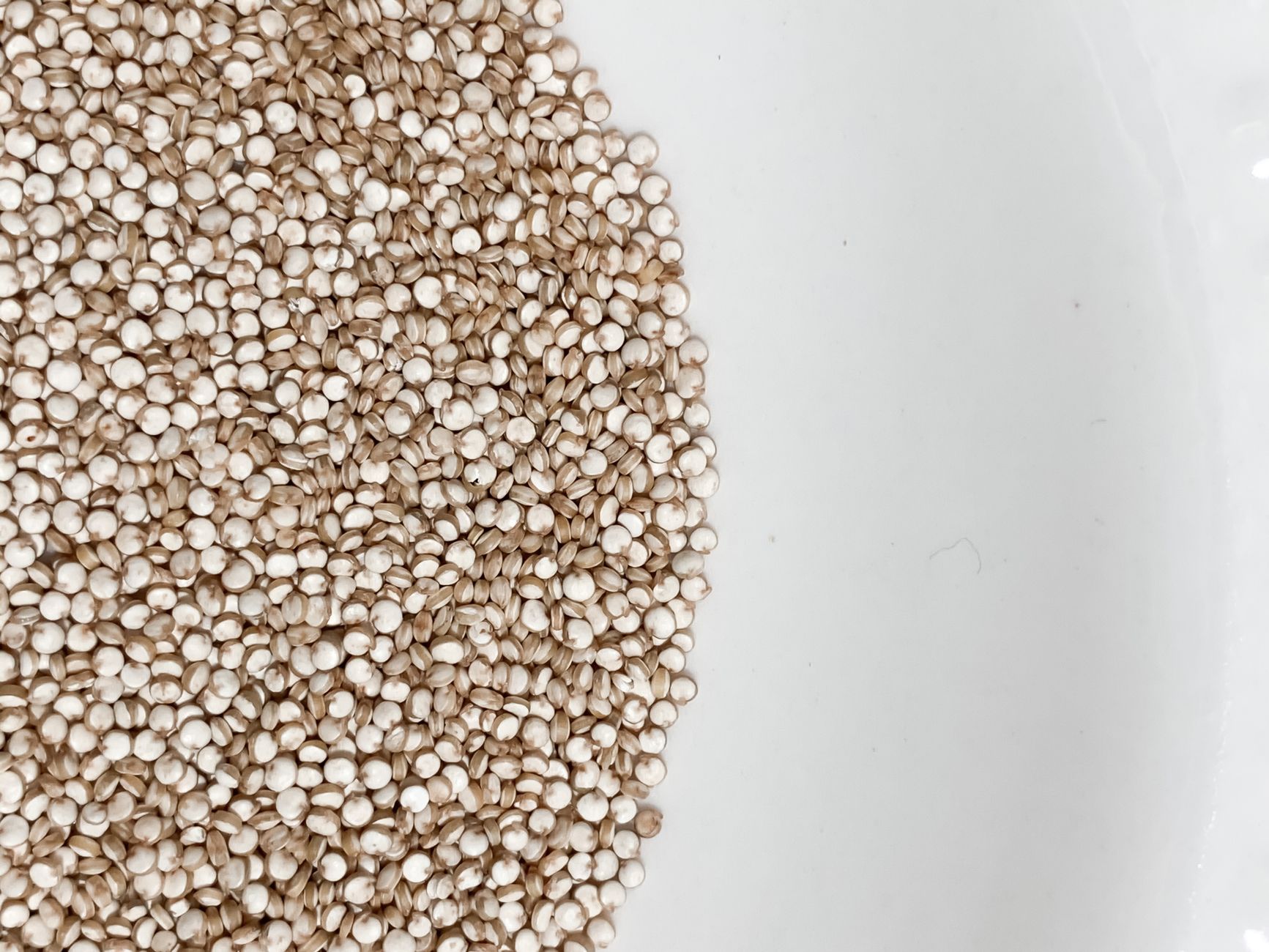
Quinoa has become a popular grain alternative in many diets, especially among health-conscious consumers. Many people are curious about its nutritional profile, particularly its carbohydrate content. Understanding how many carbs are in quinoa can help you plan meals more effectively, whether you’re counting carbs for weight management or simply aiming for a balanced diet.
This article will explore the carbohydrate content of quinoa, its overall nutritional benefits, and how it fits into various dietary preferences. We will also provide tips on cooking quinoa and integrating it into your meals.
How Many Carbs in Quinoa?
Quinoa contains approximately 39 grams of carbohydrates per cooked cup (185 grams). In addition to its carbohydrate content, quinoa is also a source of protein, fiber, and various vitamins and minerals, making it a nutrient-dense choice. Understanding the carb content can be essential for those following low-carb, ketogenic, or diabetic diets.
Understanding Quinoa’s Nutritional Profile
Quinoa is often referred to as a superfood due to its impressive nutritional profile. It is a seed that is prepared and consumed similarly to grains. Below is a breakdown of its nutrition per cooked cup:
- Calories: 222
- Protein: 8 grams
- Fat: 4 grams
- Carbohydrates: 39 grams
- Dietary Fiber: 5 grams
- Sugars: 1 gram
Comparing Carbs in Quinoa with Other Grains
When comparing quinoa to other common grains such as rice or pasta, quinoa has a unique carbohydrate and protein profile.
| Grain | Carbs per cooked cup | Protein per cooked cup |
|---|---|---|
| Quinoa | 39 grams | 8 grams |
| White Rice | 45 grams | 4 grams |
| Brown Rice | 45 grams | 5 grams |
| Whole Wheat Pasta | 37 grams | 7 grams |
The Benefits of Quinoa
Quinoa is not just about carbohydrate content; it also offers a plethora of benefits, making it an ideal choice for a balanced meal. Here are a few key advantages:
- Complete Protein: Quinoa is one of the few plant-based foods that provides a complete protein, containing all nine essential amino acids.
- High in Fiber: The dietary fiber in quinoa supports digestive health and helps promote a feeling of fullness.
- Rich in Nutrients: Quinoa is loaded with vitamins and minerals, including magnesium, iron, B vitamins, potassium, calcium, and vitamin E.
- Gluten-Free: Quinoa is gluten-free, making it a safe option for those with celiac disease or gluten sensitivity.
How to Cook Quinoa
Cooking quinoa is simple and similar to preparing rice. Here’s a basic method to achieve fluffy, perfectly cooked quinoa:
Essential Equipment
- Medium saucepan
- Fine mesh strainer
- Stirring spoon
- Measuring cups
Ingredients
- 1 cup quinoa
- 2 cups water or broth
- Salt to taste (optional)
Method
- Rinse the quinoa thoroughly under cold water using a fine mesh strainer. This step removes the saponins, which can impart a bitter taste.
- In a medium saucepan, combine the rinsed quinoa and water (or broth) along with a pinch of salt if desired.
- Bring the mixture to a boil over medium-high heat.
- Once boiling, reduce the heat to low, cover the saucepan, and let it simmer for about 15 minutes or until the liquid is absorbed.
- Remove from heat and let it sit covered for 5 minutes. Then fluff with a fork.
Cooking Tips and Common Mistakes
While cooking quinoa is straightforward, some common issues can arise:
- Overcooking: Be careful not to overcook quinoa, as it can become mushy. Follow the specified cooking time.
- Not Rinsing: Always rinse quinoa before cooking to remove the bitter saponins.
- Incorrect Water Ratio: Ensure you maintain the correct two-to-one water-to-quinoa ratio for optimal results.
Incorporating Quinoa into Your Diet
Quinoa is incredibly versatile and can be used in a variety of dishes. Here are some ideas on how to incorporate it into your meal planning:
Breakfast
Start your day with a quinoa breakfast bowl. Cook your quinoa in almond milk, and top it with fruits, nuts, honey, or a sprinkle of cinnamon for added flavor.
Lunch
Add quinoa to salads for texture and protein. Combine cooked quinoa with mixed greens, cherry tomatoes, cucumber, and a light vinaigrette dressing for a refreshing salad.
Dinner
Quinoa can be served as a side dish, replacing rice. It pairs well with grilled chicken, fish, or roasted vegetables. You can also mix quinoa into stir-fries or grain bowls.
Snacks
For a nutritious snack, try quinoa energy bites made from cooked quinoa, nut butter, oats, and sweeteners like honey or maple syrup.
Meal Planning with Quinoa
When meal planning, it’s beneficial to batch-cook quinoa for easy use later in the week. Here’s how to approach it:
- Cook a large batch of quinoa and store it in the refrigerator for up to five days.
- Divide cooked quinoa into portions and use it throughout the week in various recipes.
- Consider pairing quinoa with protein (e.g., beans, chicken, tofu) and vegetables for balanced meals.
Quinoa Variations and Substitutions
While quinoa is highly nutritious, there are occasions when you might want to consider alternatives or variations:
Quinoa Varieties
Different varieties of quinoa—including white, red, and black—are available, each offering slight variations in flavor and texture. White quinoa tends to be the lightest and fluffiest, while red and black have a nuttier flavor and slightly chewier texture.
Substitutions
If you’re looking for carbohydrate substitutes, consider:
- Cauliflower Rice: For a lower-carb alternative, grated cauliflower can be used in place of quinoa.
- Millet: Similar in protein content, millet is a gluten-free grain that offers a different flavor.
- Farro: For those who aren’t gluten-sensitive, farro can provide a similar texture and is rich in fiber.
Storage and Reheating Quinoa
Proper storage and reheating techniques can prolong the shelf life of quinoa:
Storing Quinoa
Leftover cooked quinoa can be stored in an airtight container in the refrigerator for up to five days. For longer storage, consider freezing quinoa in single portions. It can last for about two months in the freezer.
Reheating Quinoa
To reheat quinoa, add it to a microwave-safe dish and sprinkle with a splash of water to prevent drying out. Cover and microwave in short increments until heated through. Alternatively, reheat in a saucepan over low heat, stirring occasionally.
Understanding Carb Counts in a Balanced Diet
For those monitoring carbohydrate intake, the key is to consider the overall context of your meal. While quinoa does contain carbohydrates, its high fiber, protein content, and vitamins can make it a beneficial addition to a well-rounded diet.
When incorporating quinoa, pair it with healthy fats (like olive oil or avocado) and lean proteins, which can help regulate blood sugar levels and support energy stability throughout the day.
Conclusion
Quinoa stands out as a nutritional powerhouse packed with carbohydrates, protein, and essential nutrients. Its versatility allows it to complement a wide range of dietary preferences, from vegan to gluten-free. By understanding its carbohydrate content and nutritional benefits, you can confidently incorporate quinoa into your meals for a healthier lifestyle.
For more insights on nutritional components, explore how many carbs are in eggs or try a delicious chia pudding recipe made with coconut milk.