
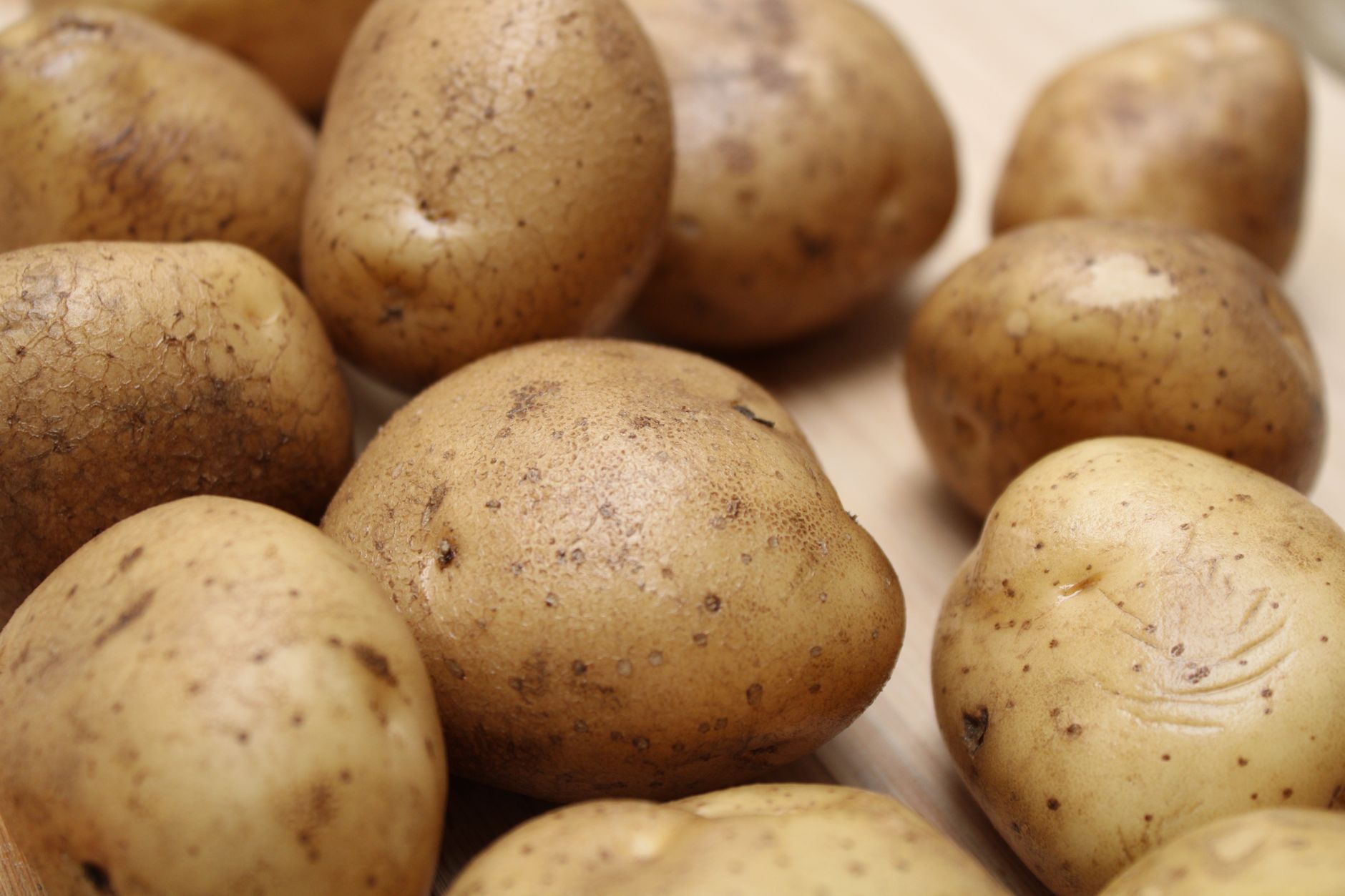
Potatoes are a staple in many diets around the world, valued for their versatility and comfort. A common question is how many carbohydrates are present in this popular vegetable, which can influence meal planning and dietary choices.
Understanding the carbohydrate content of potatoes will help you make informed decisions when including them in your meals. This guide will detail the carbohydrate content of various potato types by serving size, along with additional insights about their nutritional value.
How Many Carbs Does a Potato Have?
The carbohydrate content in potatoes varies depending on the type and serving size. For a medium-sized (about 150 grams) baked potato, there are approximately 30 grams of carbohydrates. This can differ slightly based on the potato variety and cooking method.
Carbohydrate Breakdown by Potato Type
Different types of potatoes offer varying carbohydrate levels. Here’s a closer look at some common varieties.
Baked Potatoes
A medium-sized baked potato has roughly 30 grams of carbohydrates. The majority of these carbohydrates come from starch, which provides a quick energy source. Baked potatoes can be adjusted in preparation methods, with skin on or off impacting the fiber content.
Boiled Potatoes
Boiling potatoes also yields similar results. A medium boiled potato contains about 28 grams of carbohydrates. This method does not significantly alter the carbohydrate content but may affect the other nutrients.
Mashed Potatoes
When mashed, a medium serving (around 200 grams) of potatoes has roughly 36 grams of carbohydrates. Added ingredients like butter or cream will increase the caloric content, though the core carbohydrate amount remains high due to the potato itself.
French Fries
French fries are another popular potato preparation. A medium serving (approximately 117 grams) contains about 36 grams of carbohydrates. The frying process adds additional calories from fat, but largely keeps the carbohydrate amount consistent with other methods. Care should be taken concerning portion size and preparation.
Sweet Potatoes
Sweet potatoes are a popular alternative to regular potatoes and have slightly different nutrition profiles. A medium-sized baked sweet potato (about 114 grams) contains about 26 grams of carbohydrates, making them a great option for those seeking to balance their carbohydrate intake with added nutritional benefits.
Nutritional Benefits of Potatoes
While carb content is frequently a concern, potatoes also offer a range of nutritional benefits. They are rich in essential vitamins and minerals, including vitamin C, potassium, and vitamin B6. Consuming potatoes with the skin can increase fiber intake, which is crucial for digestion.
Dietary Fiber
The skin of the potato contains fiber, which can help promote feelings of fullness and support digestive health. A medium-sized baked potato with skin provides about 2 grams of dietary fiber.
Vitamins and Minerals
Potatoes contain various vitamins and minerals, including:
- Vitamin C: Helps support the immune system and skin health.
- Potassium: Important for heart and muscle function.
- Vitamin B6: Supports brain health and metabolism.
How Cooking Methods Affect Carbohydrates
While the inherent carbohydrate content of potatoes remains relatively stable across cooking methods, preparation can influence their overall health impact.
Baking
Baking is one of the healthiest ways to cook potatoes without adding extra fat. This method allows you to maximize the concentration of nutrients while preserving the structure of the potato.
Boiling
Boiling potatoes may slightly reduce the potassium content as some may leach into the cooking water. However, it is still an excellent low-calorie way to prepare potatoes.
Frying
Frying potatoes increases the overall calorie count due to the addition of oils. While the carbohydrates remain high, fried potatoes could be less favorable for those monitoring calorie intake.
Portion Control and Meal Planning
Understanding carbohydrate content in potatoes can help with meal planning, especially for those managing their carbohydrate intake, such as individuals with diabetes or those following a low-carb diet. Here are some practical tips.
Serving Sizes
When planning meals, consider the following serving sizes to control carbohydrate intake:
- Baked Potato: 1 medium (150 grams) = ~30 grams carbohydrates.
- Boiled Potato: 1 medium (150 grams) = ~28 grams carbohydrates.
- Mashed Potato: 1 cup (200 grams) = ~36 grams carbohydrates.
- French Fries: 1 medium serving (117 grams) = ~36 grams carbohydrates.
- Sweet Potato: 1 medium (114 grams) = ~26 grams carbohydrates.
Balancing Meals
When incorporating potatoes into your meals, balance them with proteins, healthy fats, and non-starchy vegetables. This approach helps to moderate blood sugar levels and enhance overall nutrition.
Potato Myths and Facts
Many myths surround potatoes, often focused on their carbohydrate content. Here are some truths to counter common misconceptions.
Myth: Potatoes Are Unhealthy
Fact: When prepared healthily (baked or boiled without excessive fat), potatoes are nutritious and can be part of a balanced diet.
Myth: Potatoes Only Contribute Empty Calories
Fact: Potatoes provide essential vitamins, minerals, and fiber, the combination of which offers nutrition beyond just calories.
Practical Tips for Cooking Potatoes
Here are some practical tips to consider when cooking potatoes:
Choosing Potatoes
When selecting potatoes, look for smooth skins free of blemishes or sprouts. Varieties like russet, red, and Yukon gold each have unique textures and flavors that may suit different dishes.
Preparing Potatoes
- Wash potatoes thoroughly before cooking to remove any dirt.
- Leaving the skin on will enhance the nutritional value.
- Cut potatoes into uniformly sized pieces for even cooking.
Storing Cooked Potatoes
If you have leftovers, allow them to cool before storing them in an airtight container in the refrigerator. Properly stored, cooked potatoes can last about 3 to 5 days. Reheat them thoroughly before consumption.
Creative Uses for Potatoes
Potatoes offer endless culinary possibilities. Here are some creative ways to incorporate them into your meals:
- Potato Salad: Boil and combine with vegetables, herbs, and a light dressing for a refreshing side dish. Consider trying this potato salad recipe.
- Potato Candy: Use leftover mashed potatoes to make sweet treats, appealing for children and adults alike. For a delicious twist, check out this potato candy recipe.
- Soups and Stews: Add potatoes to soups and stews for heartiness.
- Gratin: Layer thinly sliced potatoes with cheese and bake for a comforting dish.
Conclusion and Next Steps
Understanding the carbohydrate content of potatoes helps inform your dietary choices and meal planning. With a variety of cooking methods and a treasure trove of culinary possibilities, potatoes can fit seamlessly into a balanced diet when consumed mindfully. They are not just mere sources of carbs but also provide essential nutrients that enhance overall health.
For more ideas, explore related recipes, cooking tips, or food guides to expand your culinary repertoire! You might find delightful methods to enjoy the versatile potato.