
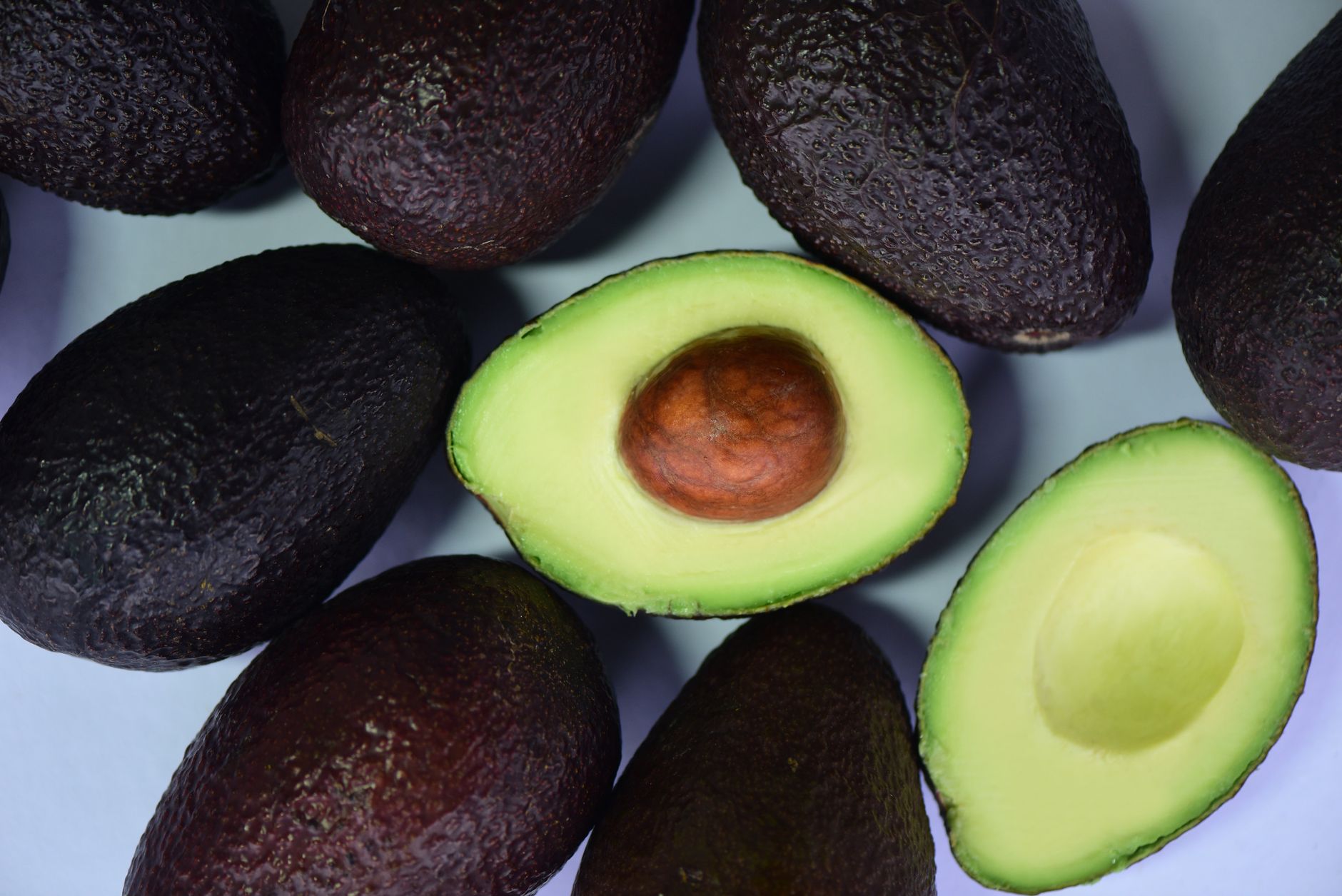
Avocados have gained immense popularity due to their rich flavor and creamy texture, making them a favorite in various dishes. But when it comes to dietary concerns, many people wonder: how many carbs are in avocados? Understanding the carbohydrate content is essential for meal planning, especially for those following low-carb or ketogenic diets.
This guide delves into the carbohydrate content of avocados by serving size, their nutritional profile, and offers insights into how to incorporate avocados into your meals. With this information in hand, you can make informed choices about including this nutrient-dense fruit in your diet.
How Many Carbs Are in Avocados?
Avocados are low in carbohydrates compared to many other fruits and vegetables. A typical serving size of avocado, which is about one-third of a medium avocado (50 grams), contains approximately 8.5 grams of total carbohydrates. However, most of these carbs come from fiber, which does not raise blood sugar levels.
Nutritional Breakdown of Avocados
Avocados are not just low in carbohydrates; they also pack a punch in terms of nutritional value. Here’s what you can expect from a standard serving size of avocado:
- Calories: 80
- Total Fat: 8 grams (mostly healthy monounsaturated fat)
- Protein: 1 gram
- Total Carbohydrates: 8.5 grams
- Dietary Fiber: 6.7 grams
- Sugars: 0.2 grams
The high fiber content means that the net carbs—total carbohydrates minus fiber—are just 1.8 grams per serving, making avocados an excellent choice for low-carb and ketogenic diets.
Understanding Carbohydrates in Avocados
Carbs can be classified into two main categories: simple and complex. In avocados, the carbohydrate profile leans heavily toward complex carbohydrates and fiber.
1. Complex Carbohydrates
These are made up of longer chains of sugar molecules and are digested more slowly, providing a steady source of energy. In avocados, these carbohydrates are low in quantity but high in quality, making them a smart choice for anyone looking to manage their carbohydrate intake.
2. Dietary Fiber
Dietary fiber is an essential component of any healthy diet. It aids in digestion, helps to maintain blood sugar levels, and supports heart health. The fiber in avocados can help you feel full and satisfied, reducing the likelihood of overeating.
3. Net Carbs
Net carbs are calculated by subtracting the fiber content from the total carbohydrates. For avocados, this means that their net carbs are significantly lower than many other fruits. This low net carb count makes avocados particularly appealing for those following strict low-carb or ketogenic diets.
Avocado Serving Sizes and Carb Content
To help you understand how many carbs are in different serving sizes of avocados, here’s a quick reference table:
| Serving Size | Total Carbohydrates (grams) | Dietary Fiber (grams) | Net Carbs (grams) |
|---|---|---|---|
| 1 oz (28 grams) | 4.5 | 3.4 | 1.1 |
| 1/2 medium avocado (68 grams) | 10.5 | 8.5 | 2.0 |
| 1 medium avocado (150 grams) | 12.8 | 10.0 | 2.8 |
| 1 whole avocado (200 grams) | 20.4 | 13.5 | 6.9 |
This table can assist you in portioning your avocado intake according to your dietary needs. Whether you enjoy them in salads, smoothies, or as a spread, being aware of the carbs can help you stick to your nutrition goals.
How to Use Avocados in Your Meal Planning
Incorporating avocados into your meal planning can add delicious flavor and nutrition. Here are some practical ideas on how to enjoy avocados throughout the day:
Breakfast
- Avocado Toast: Spread avocado on whole-grain toast, topped with poached eggs or sliced tomatoes.
- Smoothies: Blend avocado with spinach, banana, and almond milk for a creamy smoothie.
- Omelets: Add diced avocado to your omelet for extra creaminess and healthy fats.
Lunch
- Salads: Toss chunks of avocado into salads for creaminess and extra nutrients.
- Wraps: Include avocado slices in wraps or sandwiches for added flavor.
- Soup: Blend avocado into soups for a richer texture.
Dinner
- Grilled Fish: Serve grilled fish topped with avocado salsa for freshness.
- Stir-fries: Add avocado at the end of cooking for a creamy touch.
- Tacos: Use avocado slices or guacamole as toppings for tacos.
Snacks
- Guacamole: Enjoy with veggie sticks or whole-grain crackers.
- Avocado Hummus: Blend avocado with chickpeas for a unique dip.
- Baked Avocado Eggs: Halve an avocado, remove a bit of flesh, crack an egg in, and bake.
Possible Health Benefits of Avocados
In addition to being low in carbs, avocados offer several potential health benefits:
- Heart Health: The monounsaturated fats in avocados may help lower bad cholesterol levels.
- Nutrient-Rich: They are a good source of vitamins and minerals, including potassium, vitamin E, and vitamin K.
- Enhanced Nutrient Absorption: The healthy fats in avocados can help your body absorb fat-soluble vitamins from other foods.
- Weight Management: The high fiber content can contribute to a feeling of fullness, aiding in weight management efforts.
Choosing the Right Avocado
When selecting avocados, you’ll want to look for fruits that are firm but yield slightly to pressure when gently squeezed. Brown spots can indicate overripeness, while a dropped fruit can signal under-ripeness. If you purchase unripe avocados, you can ripen them at room temperature, and once ripe, they can be stored in the refrigerator for a few days to extend their shelf life.
Storage Tips for Avocados
Proper storage can help prolong the freshness of avocados. Here are some tips:
- Whole Avocados: Store in a cool, dark place. Once ripe, you can refrigerate them to slow the ripening process.
- Sliced Avocados: To keep sliced avocados from browning, sprinkle with lemon or lime juice and wrap tightly in plastic wrap.
- Guacamole: To store guacamole, place it in an airtight container, press plastic wrap against the surface, and seal the lid to minimize exposure to air.
Common Mistakes When Using Avocados
While avocados are generally easy to use, here are some common pitfalls to avoid:
- Choosing Overripe Fruit: Overripe avocados can be mushy and have off-flavors.
- Cutting Too Soon: Cutting an avocado before it ripens can make it difficult to remove the pit and leave little to enjoy.
- Storing Whole in the Fridge Prematurely: If the avocado is not yet ripe, refrigeration can halt the ripening process.
Conclusion
Avocados are a versatile and nutrient-dense food that offers substantial benefits, while their low carbohydrate content makes them an ideal choice for many dietary plans. With their creamy texture and rich flavor, avocados can elevate a wide variety of dishes. Next time you’re considering a healthy meal, think about incorporating avocados into your grocery list.
For further insights into healthy eating, check out how many carbs are in eggs or explore a delicious avocado bread recipe.