
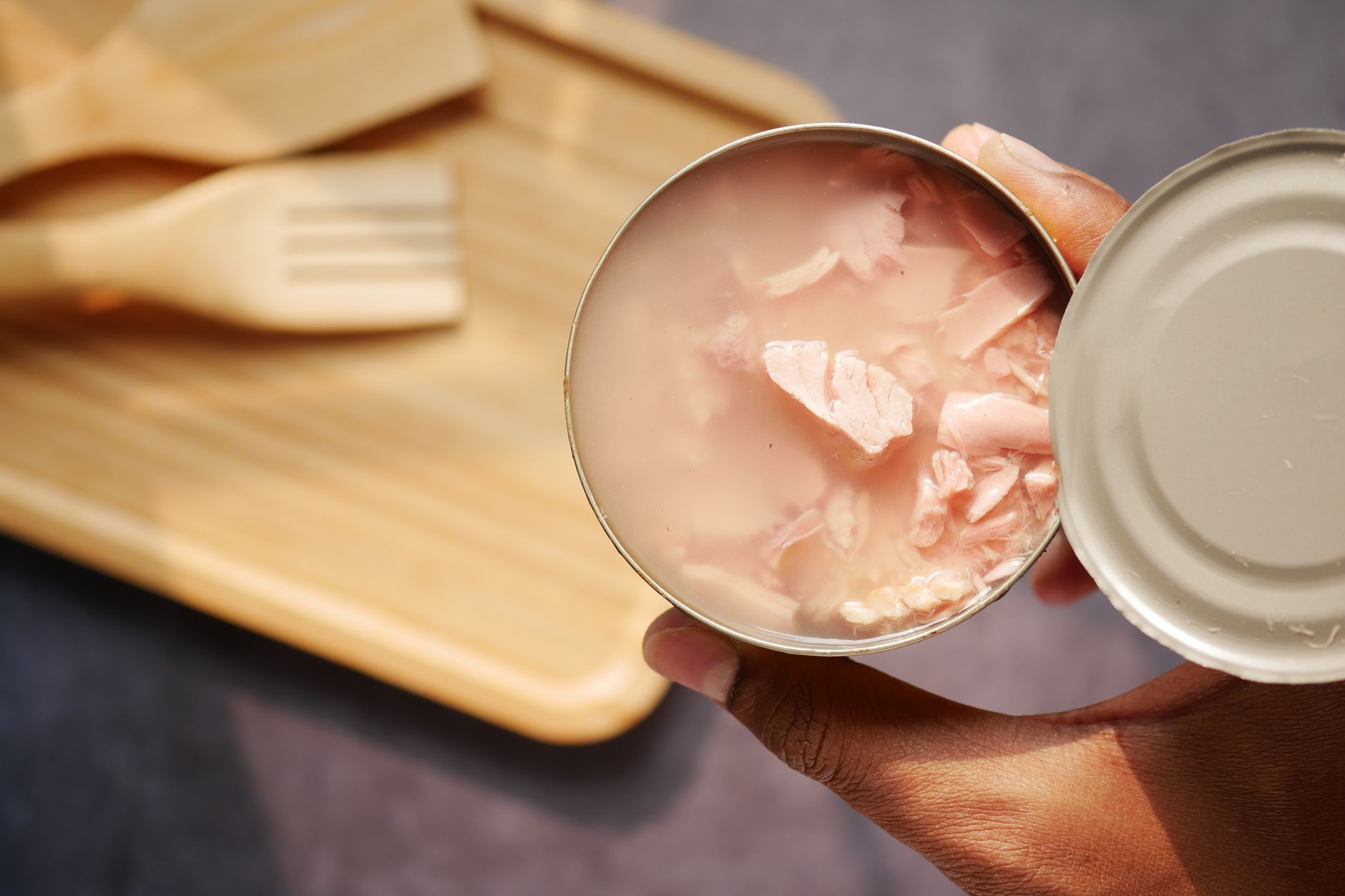
Tuna is a popular and versatile seafood that lends itself well to a variety of meals, from salads to sandwiches. However, as a consumer, you might wonder how many cans of tuna you can safely incorporate into your weekly diet. Several factors influence this decision, including mercury levels and your overall health.
This article will explore the safety of tuna consumption, the different types of tuna, recommended guidelines on weekly intake, and delicious ways to enjoy this protein-packed fish.
How Many Cans Of Tuna Can You Safely Eat A Week?
Generally, it is recommended that adults consume no more than 2 to 3 servings of tuna per week, equating to around 8 to 12 ounces. This varies depending on the type of tuna you consume and individual health considerations.
The Benefits of Tuna
Tuna is not only tasty but also packed with health benefits, making it a valuable addition to your diet. Here are some key advantages:
- High in Protein: Tuna provides an excellent source of lean protein, essential for muscle repair and growth.
- Rich in Omega-3 Fatty Acids: These fatty acids are known for their heart health benefits and anti-inflammatory properties.
- Vitamins and Minerals: Tuna contains essential vitamins and minerals, including Vitamin D, B vitamins, selenium, and iron.
Different Types of Tuna
Not all tuna is created equal, and the type you choose affects both taste and mercury levels. Here are the most common types:
- Light Tuna: Typically referred to as skipjack, this type of tuna has lower mercury levels and is often found in canned products.
- Ideal Tuna: Albacore tuna, sometimes marketed as “white tuna,” contains more mercury than light tuna but has a milder flavor.
- Fresh or Frozen Tuna: Varieties like yellowfin and bluefin generally have higher mercury levels than canned tuna and are best consumed in moderation.
Understanding Mercury Levels
One of the significant concerns about tuna consumption is mercury content. Mercury is a toxic element that can accumulate in fish, and higher concentrations can pose serious health risks.
According to the U.S. Food and Drug Administration (FDA), the mercury content varies between different types of tuna:
- Light Tuna: 0.12 parts per million (ppm) – considered safe for more frequent consumption.
- Albacore Tuna: 0.32 ppm – recommended to limit to less than 6 ounces per week.
- Bigeye and Bluefin Tuna: Higher mercury content, best to limit or avoid.
Recommended Intake Guidelines
Considering the mercury content and the health benefits of tuna, here are some recommendations:
For Adults
- Avoid more than 6 ounces of albacore tuna per week.
- Consume up to 12 ounces of light tuna per week, divided into 2 to 3 servings.
For Pregnant Women and Children
Special guidelines apply to vulnerable populations:
- Pregnant women should limit their intake of albacore tuna to no more than 4 ounces per week.
- Children will need to consume even less depending on their weight; they should stick to 1 ounce of albacore or up to 3 ounces of light tuna per week.
Symptoms of Mercury Poisoning
While moderate tuna consumption can be part of a healthy diet, excessive intake can lead to mercury poisoning. Watch out for these symptoms:
- Nerve damage leading to numbness or tingling in the limbs
- Vision problems
- Coordination and balance difficulties
If you experience these symptoms, consult with a healthcare provider for advice. Testing for mercury levels may be warranted.
How to Make Your Tuna Consumption Safer
To enjoy tuna while minimizing health risks, consider these practices:
- Choose Light Tuna: Opt for light tuna over white or yellowfin, as it has lower mercury levels.
- Vary Your Proteins: Include a range of other proteins in your diet, such as chicken, legumes, or different fish to reduce potential risks from one type of fish.
- Check Sourcing: Look for brands that provide detailed sourcing information; sustainable fishing methods often reduce contamination.
Ways to Enjoy Tuna
Tuna is incredibly versatile and can be enjoyed in numerous ways. Here are some delicious recipes to try:
Tuna Salad
This classic recipe can be easily customized with your favorite ingredients.
Ingredients:
- 1 can (5 oz) light tuna, drained
- 2 tablespoons mayonnaise
- 1 tablespoon Dijon mustard
- 1 celery stalk, chopped
- Salt and pepper to taste
- Lettuce leaves or bread for serving
Instructions:
- In a bowl, combine the drained tuna, mayonnaise, mustard, and chopped celery.
- Mix well and season with salt and pepper.
- Serve on lettuce leaves for a low-carb option or as a sandwich on bread.
Tuna Burger
For a fun twist, try making tuna burgers!
Ingredients:
- 1 can (5 oz) light tuna, drained
- 1/4 cup breadcrumbs
- 1 egg, beaten
- 1 tablespoon chopped onion
- 1 tablespoon chopped parsley
- Salt and pepper to taste
- Oil for frying
Instructions:
- In a bowl, blend the drained tuna, breadcrumbs, egg, onion, parsley, salt, and pepper.
- Form the mixture into patties.
- Heat oil in a skillet over medium heat. Fry the patties until golden brown on each side, about 4 to 5 minutes per side.
- Serve with your favorite toppings or on a bun.
Meal Planning with Tuna
Tuna is a great staple for meal planning due to its long shelf life and quick preparation time. Here’s how to incorporate it into your weekly meals:
Weekly Meal Ideas
- Monday: Tuna salad with mixed greens and whole-grain bread
- Tuesday: Tuna burgers with sweet potato fries
- Wednesday: Tuna noodle casserole
- Thursday: Spicy tuna sushi rolls
- Friday: Mediterranean tuna pasta salad
Storing Canned Tuna
To ensure the best quality and safety when storing canned tuna:
- Store unopened cans in a cool, dry place.
- Once opened, refrigerate remaining tuna in an airtight container and consume within three days.
Final Thoughts
Enjoying tuna as part of a balanced diet is perfectly safe as long as you are mindful of your intake and its mercury content. A limit of 2 to 3 servings of light tuna per week and minimizing albacore consumption can help you enjoy its benefits while keeping health risks in check. Explore different ways to incorporate this nutrient-rich fish into your meals and savor its versatility!
For more ways to enjoy tuna, check out our tuna burger recipe and learn how to make a delicious healthy tuna salad.