
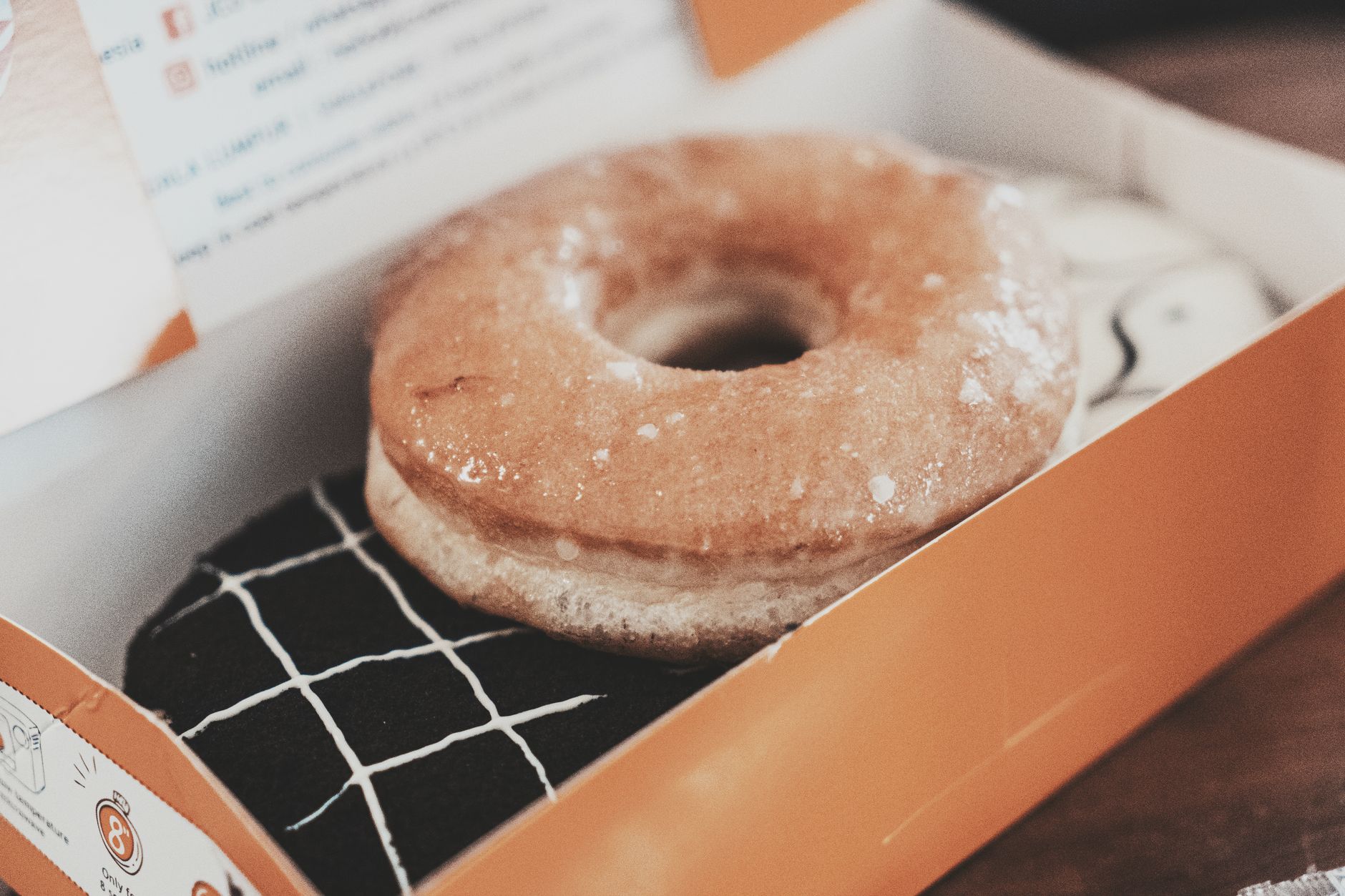
Glazed donuts are a beloved treat enjoyed by many, often found in bakeries and cafes across the globe. Their sweet, rich flavor and soft texture make them a favorite for breakfast, snacks, or even dessert. However, as delightful as they are, many people wonder about their nutritional content, particularly how many calories they contain.
Understanding the caloric content of a glazed donut can help you make informed dietary choices. In this article, we will explore the calorie count, nutritional information, potential variations of glazed donuts, and factors to consider when indulging in this sugary delight.
How Many Calories Is a Glazed Donut?
A typical glazed donut contains approximately 190 to 300 calories, depending on the size and the specific recipe used. Factors such as the ingredients, method of preparation, and portion size all influence the overall calories in a glazed donut.
The Breakdown of Calories in a Glazed Donut
To better understand the calorie count of a glazed donut, it is helpful to break down the primary ingredients and their contribution to the total caloric value. Below, we’ll examine the common components found in a glazed donut.
Basic Ingredients of a Glazed Donut
- Flour: The main ingredient, typically all-purpose flour, contributes significantly to the caloric content. One cup of all-purpose flour accounts for roughly 455 calories.
- Sugar: Granulated sugar is often added both for sweetness and texture. A tablespoon of sugar has about 48 calories.
- Butter: Used for richness, one tablespoon of unsalted butter contributes about 102 calories.
- Milk: Provides moisture; one quarter cup of whole milk has approximately 38 calories.
- Eggs: Eggs can add to the structure and richness, with one large egg containing roughly 72 calories.
- Yeast: While technically not contributing calories, yeast is used for leavening and does not add to the caloric content of the donut.
- Glaze: The topping, often made of powdered sugar and milk or water, can add an extra 100 calories or more, depending on the quantity used.
Caloric Variability Among Different Glazed Donuts
The calories in a glazed donut can vary widely based on several factors:
- Size: Donuts can range from small (about 2.5 inches in diameter) to large (up to 4 inches). Larger donuts will typically have more calories.
- Recipe Variations: Some recipes may include additional ingredients such as chocolate chips, cream fillings, or different types of sugars, all influencing the calorie count.
- Brand Variations: Store-bought donuts often have a different caloric profile than homemade versions, due to mass production methods and preservatives.
Nutritional Considerations
Beyond calorie counting, it’s essential to consider other nutritional aspects of glazed donuts. Here is a general overview of the macronutrient breakdown:
Macronutrient Composition
| Nutrient | Per Donut (Approx.) |
|---|---|
| Calories | 190 – 300 |
| Carbohydrates | 22 – 36 grams |
| Protein | 2 – 4 grams |
| Fat | 8 – 15 grams |
It is important to note that while glazed donuts provide a quick source of energy, they are typically low in fiber and essential nutrients, which may not contribute to a balanced diet if consumed excessively.
Potential Health Considerations
When enjoying glazed donuts, aware of certain health considerations can help you make informed choices. Here are a few to keep in mind:
- Sugar Content: Many glazed donuts have high sugar content, often exceeding recommended daily sugar intake levels if overindulged.
- Saturated Fats: The butter and frying oils used in donuts can lead to higher saturated fat levels, which should be consumed in moderation.
- Trans Fats: Some commercially prepared donuts may contain trans fats, which can negatively impact heart health.
- Occasional Indulgence: While having a glazed donut occasionally is perfectly fine, frequent consumption should be moderated as part of a balanced diet.
Healthier Alternatives and Variations
If you love glazed donuts but are concerned about the caloric and nutritional content, there are several healthier alternatives and variations you can try:
Alternative Flours
Substituting all-purpose flour for healthier options like whole wheat flour or almond flour can increase fiber content while improving the nutritional value.
Reduction of Sugar
Using natural sweeteners, such as honey or maple syrup, can reduce refined sugar intake while adding unique flavors. It might also be beneficial to consider a sugar-free glaze alternative.
Baking Instead of Frying
Baking glazed donuts instead of frying can significantly reduce fat and calorie content. Baked donuts can achieve a light and fluffy texture while being healthier.
Smaller Portions
Making mini donuts allows for portion control and can help manage calories while still satisfying cravings.
Flavor Variations
Experiment with different glazes made from fruits or spices to create unique flavors without additional calories. Incorporating fruit purees can also enhance taste without excess sugar.
How to Enjoy Glazed Donuts Responsibly
While enjoying glazed donuts can be a delightful experience, it is advisable to practice moderation and mindful eating. Here are some tips on how to enjoy them responsibly:
- Pair with Protein: Consider having a glazed donut alongside a protein source, such as Greek yogurt or eggs, to balance out blood sugar levels.
- Mindful Eating: Focus on the experience of eating the donut rather than mindlessly consuming it. This can promote satisfaction and reduce the urge to overindulge.
- Occasional Treat: Reserve donuts for special occasions, enjoying them as an occasional treat rather than a daily habit.
- Be Aware of Serving Sizes: Pay attention to the size of the donut and opt for smaller versions if available.
Making Your Own Glazed Donuts at Home
If you prefer a healthier alternative while still enjoying glazed donuts, making them at home can be an enjoyable and rewarding experience. Below is a basic recipe to create your own glazed donuts:
Recipe: Homemade Glazed Donuts
Yield:
Approximately 12 donuts
Preparation Time:
15 minutes
Cooking Time:
10 minutes
Total Time:
25 minutes
Ingredients:
- 2 cups all-purpose flour (or substitute with whole wheat flour)
- 1/2 cup granulated sugar
- 2 teaspoons baking powder
- 1/2 teaspoon salt
- 1/2 teaspoon ground nutmeg
- 2 tablespoons unsalted butter, melted
- 3/4 cup whole milk
- 2 large eggs
- Glaze: 1 cup powdered sugar with 2 tablespoons milk or water to achieve desired consistency
Essential Equipment:
- Donut cutter or circular cookie cutters
- Mixing bowls
- Frying pan or deep fryer
- Spider or slotted spoon
- Cooling rack
Method:
- In a large mixing bowl, combine the flour, sugar, baking powder, salt, and nutmeg.
- Add the melted butter, milk, and eggs to the dry mixture. Mix until just combined, being careful not to overmix.
- Transfer the dough to a floured surface and roll it out to about 1/2-inch thickness.
- Using a donut cutter, cut out the donuts. Gather and re-roll any remaining dough to cut additional donuts.
- Heat oil in a frying pan or deep fryer to 350°F (175°C).
- Carefully place the donuts into the hot oil, cooking for about 1-2 minutes per side, until golden brown. Use a spider or slotted spoon to remove and drain excess oil.
- Allow the donuts to cool on a rack while you prepare the glaze.
- In a small bowl, whisk together powdered sugar and milk or water to create a smooth glaze. Dip the tops of the cooled donuts into the glaze and set on the rack until the glaze sets.
Best Practices for Storing and Reheating Glazed Donuts
Once you have made or purchased glazed donuts, proper storage is essential to maintain their freshness:
Storage
To keep glazed donuts fresh, store them in an airtight container at room temperature for up to 2 days. For longer storage, consider refrigerating them for up to a week or freezing them for up to 3 months. If freezing, place parchment paper between donuts to prevent sticking.
Reheating
To enjoy a warm glazed donut, reheat it in the microwave for about 10-15 seconds or in the oven at a low temperature (around 300°F or 150°C) for 5-7 minutes. Avoid overheating, as it can cause the donut to become tough.
Conclusion
In summary, a glazed donut generally contains 190 to 300 calories depending on its size and ingredients. While they are a delightful treat, being aware of their caloric and nutritional content can help you enjoy them responsibly. Consider trying homemade versions for a healthier alternative, and always practice moderation. Whether you’re indulging in a classic donut or experimenting with new variations, these sugary delights can be enjoyed as part of a balanced lifestyle.
For more delicious recipes, check out our easy doughnut recipe without yeast and our powdered sugar icing recipe for delightful variations and toppings!