
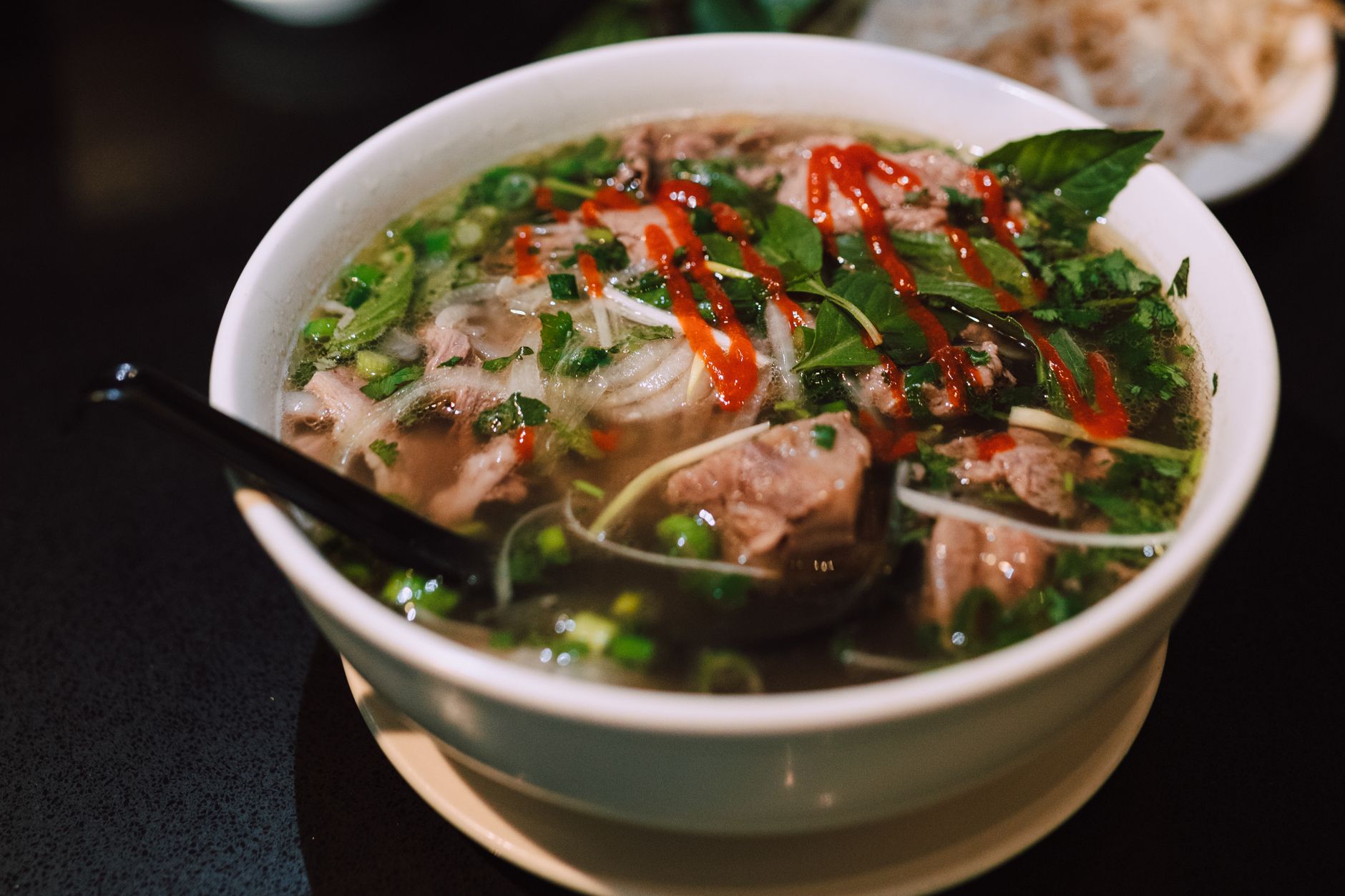
Pho is a fragrant Vietnamese soup consisting of savory broth, noodles, and various toppings, making it a beloved comfort food worldwide. The calorie content can vary widely based on the ingredients and portion sizes, so understanding what goes into a bowl of pho is essential for both nutrition-conscious eaters and food enthusiasts alike.
This article explores how many calories are typically in a bowl of pho, factors that can influence its calorie count, and tips for enjoying this delicious dish while being mindful of your dietary needs.
How Many Calories Is a Bowl of Pho?
The calorie count of a bowl of pho can vary significantly based on its ingredients and portion size. On average, a standard serving (approximately 2 cups) of pho might range from 300 to 600 calories. Premium options, such as pho with additional meat or specialized toppings, can push the calorie count higher.
Breaking Down a Typical Bowl of Pho
A traditional bowl of pho consists of several key components that contribute to its overall calorie count:
- Broth: The base of pho is the broth, typically made from simmered beef or chicken bones. The complexity and richness of the broth can add approximately 50 to 150 calories, depending on how much fat and additional seasonings are included.
- Noodles: Rice noodles, the primary carbohydrate in pho, add the most calories. A regular serving of cooked rice noodles (approximately 1 cup) typically contains around 220 to 250 calories.
- Meat: Proteins such as beef, chicken, or tofu are usually added. Depending on the type and amount of meat, this can provide anywhere from 100 to 300 calories. For example, sliced beef brisket may have more calories than chicken breast.
- Toppings: Fresh herbs, bean sprouts, lime, and chili peppers add minimal calories but enhance flavor and nutrition.
Variations in Pho and Their Impact on Calories
There are many types of pho, and each variation can significantly alter its calorie count:
Beef Pho (Phở Bò)
The most common type is beef pho, which can include different cuts of beef such as sirloin, brisket, or meatballs. A bowl of beef pho may range from 450 to 600 calories, depending on the cut of meat and amount of broth.
Chicken Pho (Phở Gà)
Chicken pho is lighter than beef pho, typically containing fewer calories, around 300 to 450 calories per serving. However, the balance of meat to noodles and fat content in broth still plays a significant role in its overall calorie content.
Vegetarian Pho
Vegetarian pho made with vegetable broth, tofu, and mushrooms can vary widely, typically containing 300 to 400 calories per serving. The calorie count largely depends on how much tofu or additional fats are used in making the broth.
Regional Variants
Regional variations of pho in Vietnam also impact calorie content. For example, pho from Hanoi might have lighter broth compared to the richer, fuller-bodied broth from Ho Chi Minh City.
Calorie-Controlled Pho Ingredients
If you’re looking to enjoy pho while keeping calorie intake in check, consider the following tips:
- Select Lean Proteins: Opt for lean meats like chicken breast instead of fatty cuts of beef to reduce calorie intake.
- Control Portions: Be mindful of serving sizes, particularly noodles and broth. A smaller bowl can lead to significant calorie savings.
- Adjust Noodle Quantities: Use less noodle volume by either reducing the amount used or substituting some vegetables for noodles, such as zucchini or carrot noodles.
- Add More Vegetables: Bulk up your bowl with low-calorie toppings like bean sprouts, basil, and other herbs.
Making Pho at Home
Creating pho at home allows for control over ingredients and portion sizes, which can help manage calorie counts. Here’s how to make a basic pho at home:
Ingredients
- 1 pound beef bones or chicken carcass
- 10 cups water
- 1 onion, halved
- 2 inches ginger, sliced
- 4 star anise
- 1 cinnamon stick
- 4 cloves
- Rice noodles (about 4 ounces dry per serving)
- 200 grams thinly sliced beef or chicken (optional)
- Fresh herbs (basil, cilantro), lime wedges, bean sprouts, sliced chili for garnish
Equipment Needed
- Large pot for broth
- Colander or strainer
- Knife and cutting board
- Bowls for serving
Method
- Start by roasting the onion and ginger in a dry pan for a few minutes until charred.
- In a large pot, combine the beef bones or chicken carcass with water, roasted onion, ginger, and spices.
- Bring to a boil, then simmer for at least 2 hours (3-4 hours for deeper flavor) while skimming any foam that forms.
- After simmering, strain the broth to remove solids, returning the liquid to the pot.
- Cook rice noodles according to package instructions.
- For serving, place cooked noodles in a bowl, add raw sliced beef/chicken if using, and ladle hot broth over.
- Top with fresh herbs, lime, and any desired garnishes.
Common Mistakes When Making Pho
Here are some pitfalls to avoid when making pho at home:
- Using pre-packaged broths: Homemade broth provides more flavor and nutrients compared to store-bought options, which often contain additives.
- Overcooking noodles: Rice noodles can become mushy if boiled too long. Follow package instructions for perfect texture.
- Inadequate seasoning: Pho gets much of its flavor from spices added to the broth. Don’t skip this essential step.
- Skipping fresh garnishes: The fresh herbs and toppings are crucial for balancing the flavors in pho; don’t underestimate their importance.
Dining Out: Calorie Counts at Restaurants
If you choose to eat pho at a restaurant, here are some considerations for estimating calorie intake:
- Menu Descriptions: Many restaurants provide nutritional information. Look for details regarding serving sizes and additional ingredients.
- Ask for Modifications: Don’t be afraid to ask for less noodle, no added fats, or leaner cuts of meat.
- Sample Size: Choose a smaller bowl or share with others to keep calories in check.
- Be Mindful of Add-ons: Avoid creamy sauces or fried toppings that might increase calorie counts.
Storing and Reheating Pho
If you’ve made pho at home or ordered too much, proper storage and reheating will help maintain the dish’s quality:
- Storage: Store any leftover broth and noodles separately; refrigerate in airtight containers. Use them within 2-3 days for optimal freshness.
- Reheating: Reheat the broth on the stove until it simmers and the noodles separately in hot water for a minute before combining to serve.
Health Considerations When Enjoying Pho
While pho is a tasty option, consider these health aspects:
- Sodium Content: Broths can sometimes be high in sodium. Look for low-sodium options or control salt levels if making at home.
- Personal Dietary Needs: Be mindful of any allergies or dietary restrictions when selecting your ingredients or choosing a restaurant.
- Portion Control: Eating larger portions can easily inflate calorie intake. A smaller serving can be just as satisfying.
Conclusion
Understanding the calorie content of pho can enhance your dining experience, whether you’re cooking at home or ordering at a restaurant. It is possible to enjoy this delectable soup while being mindful of its nutritional aspects. By making thoughtful choices about ingredients and portion sizes, you can savor pho without any guilt.
For more insights, explore our guides on calorie content, flavorful profiles, and tips for making health-conscious choices with Vietnamese cuisine by checking out how many calories in pho and what pho tastes like.