
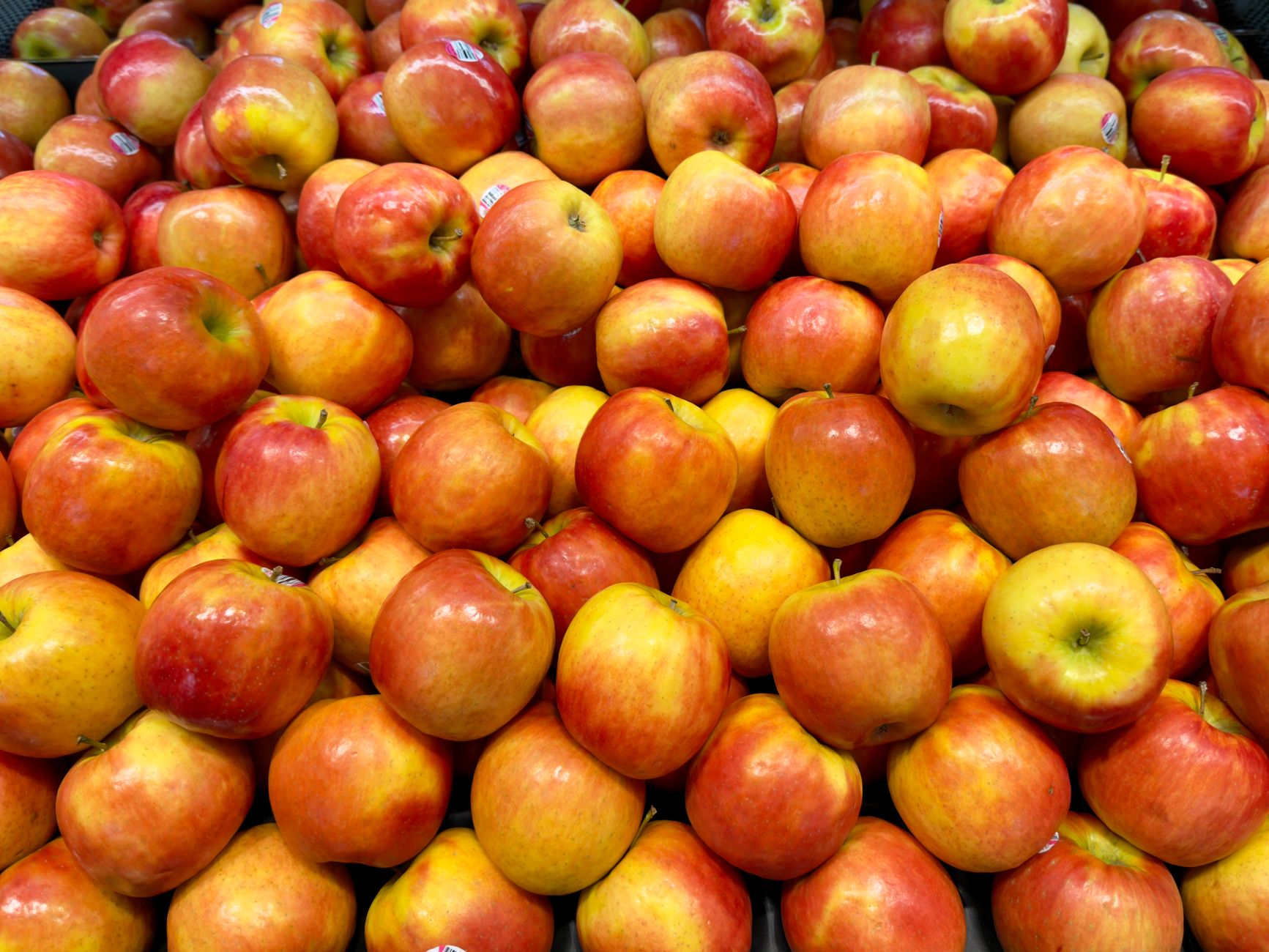
Apples are one of the most popular fruits worldwide, well known for their crisp texture and sweet flavor. Whether eaten raw, baked, or cooked, they can make a delightful addition to numerous dishes. A common question that arises is about their calorie content, especially for those monitoring their nutrition.
This article aims to delve into how many calories are in an apple and how the count can vary based on serving size and type of apple. Understanding this can help with meal planning and maintaining a balanced diet.
How Many Calories Is an Apple?
The calorie content of an apple primarily depends on its size and variety. On average, a medium-sized apple, approximately 182 grams, contains about 95 calories. However, variations do exist among different types of apples and sizes.
Here’s a breakdown of the estimated calorie content in different apples based on common serving sizes:
| Type of Apple | Small (4 oz / 113 g) | Medium (6 oz / 170 g) | Large (8 oz / 227 g) |
|---|---|---|---|
| Fuji | 77 calories | 95 calories | 116 calories |
| Gala | 77 calories | 95 calories | 116 calories |
| Granny Smith | 72 calories | 80 calories | 92 calories |
| Honeycrisp | 71 calories | 82 calories | 98 calories |
| Red Delicious | 83 calories | 94 calories | 114 calories |
Understanding Caloric Content: The Nutritional Profile of Apples
Beyond calories, apples offer a wealth of nutritional benefits. They are low in fat, high in fiber, and a good source of vitamin C. Here’s a general nutritional breakdown for a medium-sized apple:
- Calories: 95
- Protein: 0.5 grams
- Fat: 0.3 grams
- Carbohydrates: 25 grams
- Fiber: 4 grams
- Sugar: 19 grams
- Vitamin C: 14% of the Daily Value (DV)
The high fiber content in apples can aid digestion and promote a feeling of fullness, making them a great snack option. The natural sugars provide a quick energy boost, while vitamin C supports immune health.
Factors Affecting Caloric Content in Apples
When evaluating how many calories are in an apple, several factors come into play:
- Size: The size of an apple plays a significant role. Choose smaller apples for a lower calorie option and large apples if you’re looking for a more filling snack.
- Type: Different apple varieties have slightly different sugar and calorie contents. Generally, sweeter apples tend to have more calories.
- Preparation: Calorie counts also change based on how apples are prepared. A baked apple or an apple with added sugars or toppings will have a higher calorie count than a raw apple.
How to Incorporate Apples into Your Diet
Incorporating apples into your diet can be simple and delicious. Here are some practical ways to enjoy their benefits:
Raw as a Snack
One of the simplest ways to enjoy an apple is to eat it raw. Whether at your desk, during your commute, or as a quick afternoon snack, it’s a perfect grab-and-go option. Pairing it with a tablespoon of peanut butter can add protein and healthy fats while keeping the meal balanced.
In Salads
Adding diced apples to salads can elevate both flavor and texture. They pair well with leafy greens, nuts, and cheese. A salad with slices of tart Granny Smith apples, walnuts, and feta gives a refreshing crunch and a satisfying meal.
Baking with Apples
Apples are often used in baking, from pies to crisps. A classic apple pie can be a delightful dessert, but be mindful of the added sugars and fats. Recipes often call for butter and sugar, which will significantly increase the calorie content.
- For healthier baking, consider recipes like Apple Compote, which utilize apples’ natural sweetness.
Cooking with Apples
Cooked apples can add flavor to savory dishes. Try adding apples to your pork dishes or stews for a hint of sweetness that balances savory flavors.
Applesauce
Making homemade applesauce is an excellent way to enjoy the fruit without calories from added sugars. It also can act as a healthier replacement for oil in some baking recipes.
Meal Planning with Apples
Planning meals that incorporate apples can add variety and boost nutrients. Consider these tips:
- Breakfast: Add apple slices to oatmeal or yogurt. A garnish of cinnamon can enhance the flavor without adding calories.
- Lunch: Include apple slices in your salad or sandwich for added crunch.
- Dinner: Roast apples alongside vegetables or in sauces for a unique side dish.
- Dessert: Opt for healthier desserts made with apples, like baked apples or apple pie filling.
Common Mistakes When Eating Apples
While apples are a healthy choice, it’s easy to overlook factors that can add unnecessary calories:
- Overindulging: While moderation is essential, eating large quantities of apples can lead to excess calories. Balance your intake with other fruits and vegetables.
- Processed Products: Be cautious with apple products like juices and sauces that often contain added sugars and preservatives.
- Neglecting the Skin: The skin of an apple contains ample nutrients and fiber. Peeling apples can reduce their health benefits.
Storage Tips for Fresh Apples
To keep apples fresh for longer, proper storage is key. Here are some guidelines:
- Store apples in the refrigerator to maintain their crispness, ideally in the crisper drawer.
- Keep them away from strong-smelling foods, as apples can absorb odors.
- Check for any bruised apples regularly, as one spoiled apple can accelerate the spoilage of others.
Conclusion
Understanding the caloric content of apples enables better meal planning and healthier eating. With their low-calorie count and high nutritional value, apples are an excellent fruit choice. They can be incorporated into various meals, enjoyed raw or cooked, and stored effectively for future use.
For more ideas on using apples in delightful recipes, explore apple compote or pie filling to add a tasty twist to your dishes.