
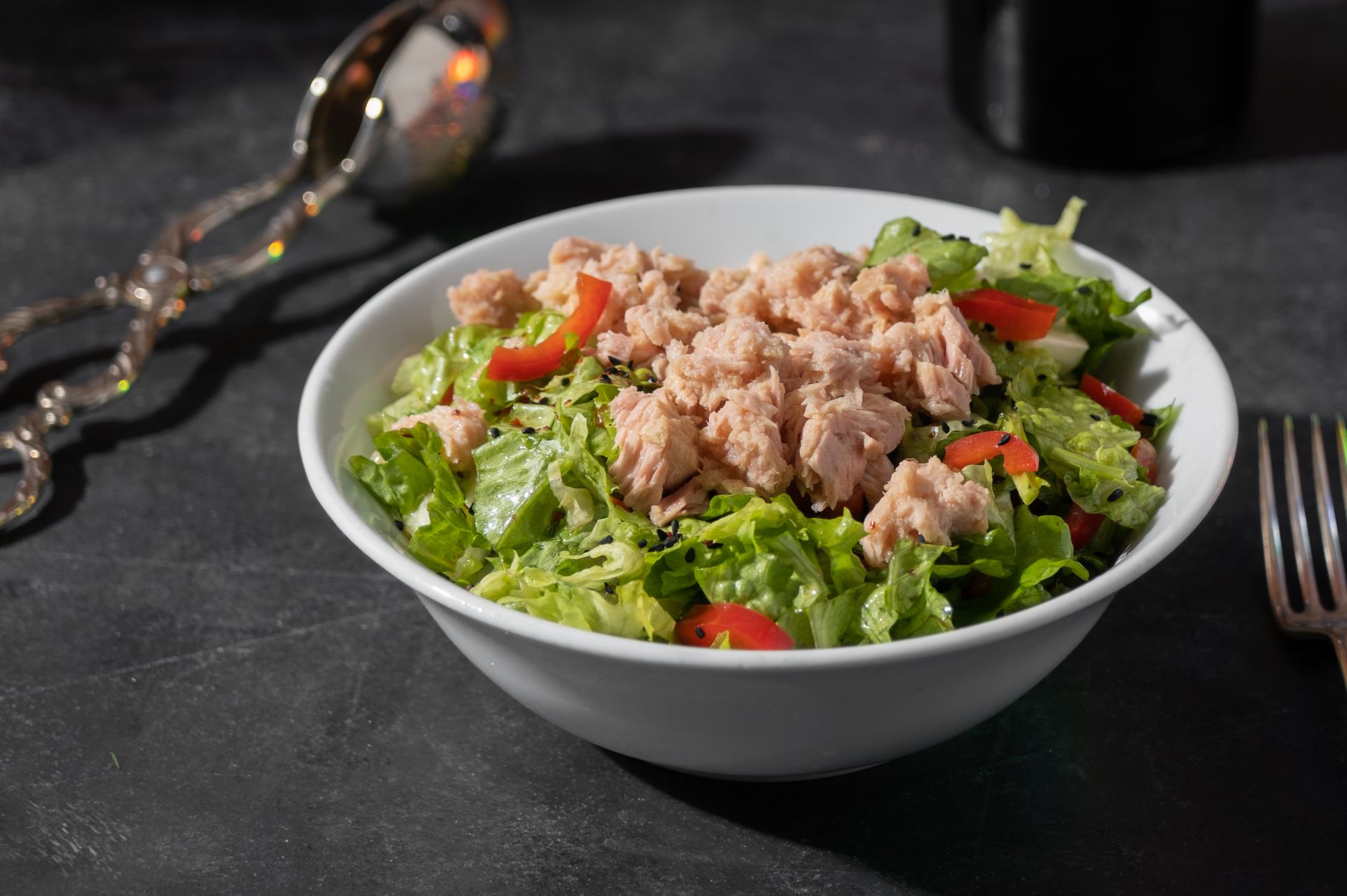
Tuna salad is a popular dish known for its versatility, ease of preparation, and nutritional benefits. Whether enjoyed in a sandwich, on crackers, or as a side salad, it offers a satisfying mix of flavors and textures while being reasonably healthy. One crucial aspect often considered when enjoying tuna salad is its calorie content.
This article will explore how many calories are typically found in tuna salad, along with the factors influencing calorie counts based on ingredients and serving sizes. Understanding these elements can help you enjoy this dish while maintaining your dietary goals.
How Many Calories in Tuna Salad?
The calorie content in tuna salad can significantly vary depending on the ingredients used and the serving size. On average, a standard serving (about 1 cup) of tuna salad made with mayonnaise contains approximately 300 to 400 calories. However, variations such as those made with Greek yogurt instead of mayonnaise can lower this number to about 200 to 300 calories per cup.
Understanding the Ingredients of Tuna Salad
The ingredients you choose for your tuna salad will have a significant impact on its overall calorie count. Below are some common ingredients and their contributions to the caloric content:
- Tuna: Canned tuna in water (3 oz) has about 100 calories, while tuna in oil contains around 150 calories for the same serving size.
- Mayonnaise: Regular mayonnaise adds approximately 100 calories per tablespoon, whereas light mayonnaise has about 50 calories.
- Greek Yogurt: A healthier alternative to mayonnaise, plain Greek yogurt has about 15 calories per tablespoon.
- Mustard: A low-calorie flavoring option, mustard has approximately 3 to 5 calories per serving.
- Vegetables: Common additions like celery and bell pepper add minimal calories, roughly 10 calories per half-cup serving.
- Eggs: A hard-boiled egg (50 calories each) can boost protein content but will raise the overall calories.
- Cheese: Depending on the type, cheese adds about 70 to 120 calories for a slice or ounce.
Caloric Breakdown Based on Serving Size
Understanding how the serving size affects the calorie content of tuna salad is vital for meal planning. Below is a breakdown of estimated calorie counts for various serving sizes:
| Serving Size | Calories (Mayonnaise-based) | Calories (Yogurt-based) |
|---|---|---|
| 1/2 cup | 150 – 200 | 100 – 150 |
| 1 cup | 300 – 400 | 200 – 300 |
| 1 1/2 cups | 450 – 600 | 300 – 400 |
Health Benefits of Tuna Salad
Tuna salad contains several health benefits due to the nutritional content of its primary ingredient, tuna. Here are some notable points:
- High in Protein: Tuna is a rich source of protein, which is essential for muscle repair and growth.
- Omega-3 Fatty Acids: Tuna provides omega-3 fatty acids, which are beneficial for heart health and can help reduce inflammation.
- Vitamins and Minerals: Tuna is a good source of selenium, vitamin D, and B vitamins, all of which play vital roles in bodily functions.
- Weight Management: With varying calorie counts, tuna salad can be a part of a calorie-controlled diet, helping you feel fuller for longer with its protein content.
How to Make a Healthy Tuna Salad
If you’re looking to create a delicious and healthy tuna salad, consider the following method, which uses Greek yogurt instead of mayonnaise.
Ingredients:
- 1 can (5 oz) of tuna in water, drained
- 1/4 cup plain Greek yogurt
- 1 tablespoon Dijon mustard
- 1/4 cup diced celery
- 1/4 cup diced bell pepper
- Salt and pepper to taste
Essential Equipment:
- Mixing bowl
- Measuring cups and spoons
- Fork for mixing
- Knife and cutting board for chopping vegetables
Steps:
- In a mixing bowl, combine the drained tuna, Greek yogurt, and mustard. Stir until well mixed.
- Add diced celery and bell pepper, then mix again to evenly incorporate.
- Season with salt and pepper to taste. Adjust ingredients based on personal preference.
- Serve immediately or chill in the refrigerator for 30 minutes to allow flavors to meld.
Variations of Tuna Salad
Tuna salad can be customized in numerous ways to suit different tastes and dietary needs. Here are some ideas for variations:
- Spicy Tuna Salad: Add a splash of sriracha or diced jalapeños for a spicy kick.
- Avocado Tuna Salad: Substitute half of the Greek yogurt with mashed avocado for a creamier texture.
- Tuna Salad Sandwich: Place the tuna salad between slices of whole-grain bread or in a wrap for a delicious sandwich option.
- Shepherd’s Tuna Salad: Incorporate ingredients like olives, capers, or mozzarella for a Mediterranean twist.
Common Mistakes to Avoid
When preparing tuna salad, there are a few common pitfalls to be wary of:
- Over-tuna-ing: Adding too much tuna relative to other ingredients can make the texture dense. Aim for a balanced proportion.
- Too Much Dressing: Overusing mayonnaise or yogurt can lead to an overly greasy salad. Use it sparingly or measure for consistency.
- Skipping Flavoring: Don’t overlook seasonings or herbs. Adding herbs like dill, parsley, or chives can elevate the flavor.
Storage and Reheating Tuna Salad
Tuna salad can be stored in the refrigerator to maintain its freshness. Here are some tips for storage:
- Proper Sealing: Transfer any leftover tuna salad to an airtight container to prevent odors from contaminating its flavor.
- Refrigeration Duration: Consume within 3 to 5 days for best taste and food safety.
- No Reheating: Tuna salad is typically enjoyed cold; reheating is not recommended, as it can affect the texture and flavor.
Conclusion
Calorie counts in tuna salad can vary greatly based on the ingredients used and the serving sizes. A classic mayonnaise-based tuna salad may provide a higher calorie count, while alternatives such as Greek yogurt can be lower in calories while still offering great flavor. Understanding how much you’re consuming is essential for meal planning, especially for those monitoring calorie intake.
Next time you whip up a batch of tuna salad, you can confidently adjust the ingredients to align with your dietary goals without sacrificing taste. Explore additional ideas for using tuna in your meals by checking out our healthy tuna salad recipe or try making a delicious tuna burger.