
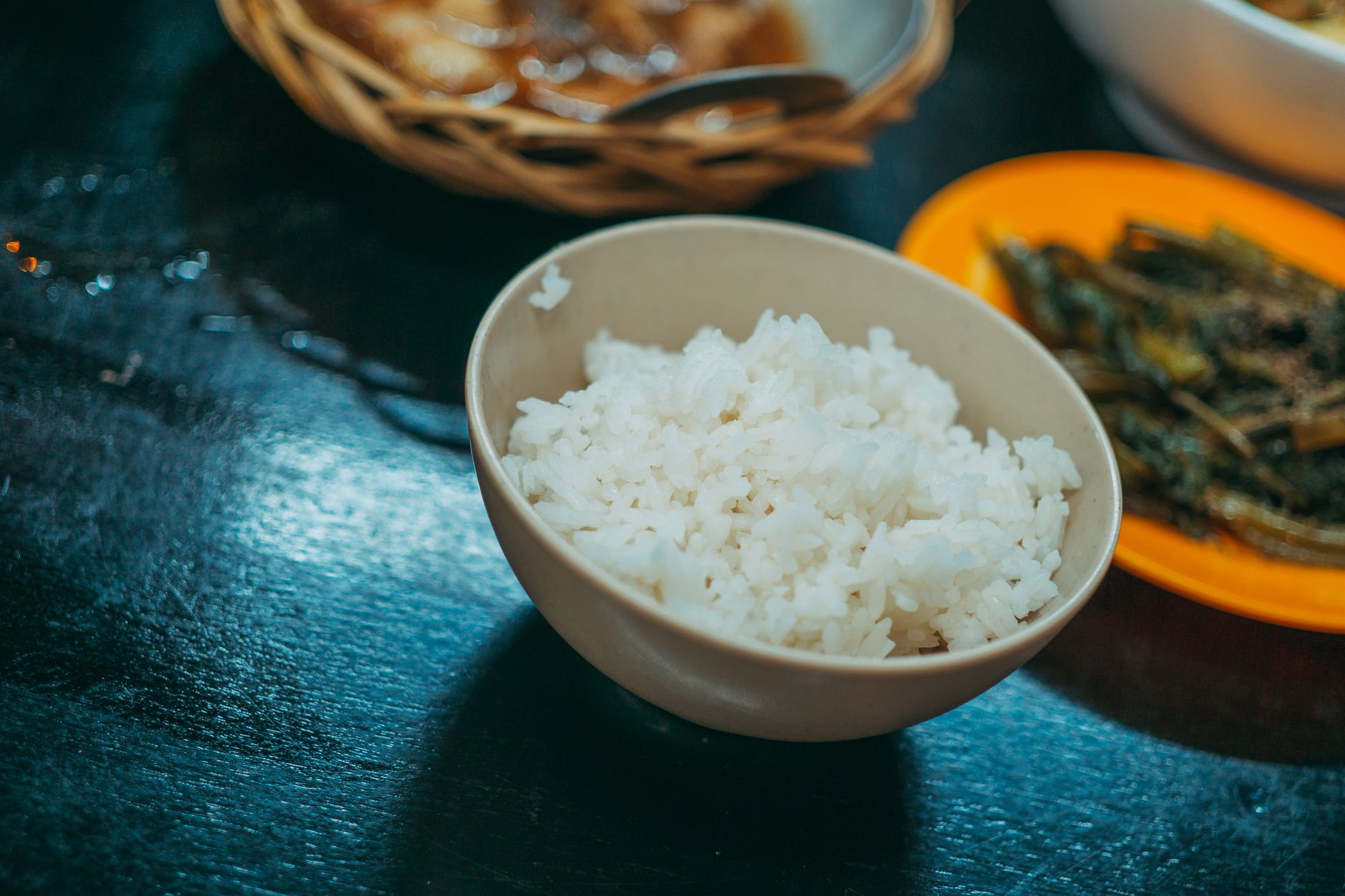
Cooked rice is a staple food that is enjoyed across the globe, known for its versatility and ability to complement a variety of dishes. Understanding the caloric content of rice is essential for meal planning and dietary considerations.
This article will explore how many calories are in one cup of cooked rice, along with various types of rice, cooking methods, and how you might incorporate rice into a balanced diet.
How Many Calories in One Cup of Cooked Rice?
One cup of cooked white rice contains approximately 205 calories. Brown rice, with its higher fiber content, has about 215 calories per cup. These numbers can vary slightly depending on the cooking method and whether any additional ingredients are included.
Types of Rice and Their Caloric Content
Rice comes in many varieties, each with its own flavor profile, texture, and nutritional value. Here’s a look at some common types of rice and their caloric counts per cooked cup:
- White Rice: ~205 calories
- Brown Rice: ~215 calories
- Jasmine Rice: ~205 calories
- Basmati Rice: ~190 calories
- Wild Rice: ~166 calories
- Arborio Rice: ~270 calories
The differences in calorie count are influenced by the rice’s processing method and its hull content. Whole grain varieties like brown and wild rice generally have more calories, fiber, and nutrients compared to refined white rice.
The Nutritional Value of Cooked Rice
In addition to calories, rice provides several nutrients important for health:
- Carbohydrates: Rice is primarily composed of carbohydrates, making it an excellent energy source.
- Protein: While rice contains less protein compared to other grains, it still provides some protein.
- Fiber: Brown and wild rice are higher in fiber, which supports digestive health.
- Vitamins and Minerals: Rice contains small amounts of several vitamins and minerals, including B vitamins, iron, and magnesium.
Knowing these elements helps in achieving a balanced diet when incorporating rice into meals.
How to Cook Rice Perfectly
Cooking rice might seem straightforward, but achieving the perfect texture can require attention. Here’s a step-by-step guide to cook one cup of rice—white, brown, or other varieties:
- Measure: Use one cup of rice and rinse it under cold water until the water runs clear to remove excess starch.
- Water Ratio: Add the appropriate amount of water. Typically, the ratio is 2:1 for white rice and 2.5:1 for brown rice.
- Bring to a Boil: Place the rice and water in a pot over medium-high heat and bring to a boil.
- Simmer: Once boiling, reduce the heat to low, cover the pot, and let it simmer. White rice usually takes about 18 minutes, while brown rice takes about 40 minutes.
- Let Rest: Remove the pot from heat and let it sit covered for 5-10 minutes to allow the steam to cleanly finish cooking the rice.
- Fluff: Use a fork to fluff the rice before serving, ensuring a light and airy texture.
Cooking rice properly not only affects texture but also influences how it interacts with other ingredients in meals.
Common Mistakes in Cooking Rice
While cooking rice is relatively simple, several common mistakes can lead to less-than-desirable outcomes:
- Not Rinsing: Skipping the rinsing step can result in overly sticky rice.
- Incorrect Water Ratio: Using too much or too little water can lead to overly soggy or undercooked rice.
- Removing Lid Too Early: Lifting the lid before the rice has finished cooking can let steam escape, leading to unevenly cooked rice.
Mindfulness of these pitfalls will enhance your cooking experience and improve the taste and texture of your rice.
Tips for Serving and Pairing Rice
Rice is incredibly versatile and can complement many dishes. Some popular serving ideas include:
- As a Side Dish: Serve plain or seasoned rice alongside grilled meats or stir-fried vegetables.
- In Dishes: Use rice as a base for curries, casseroles, or buddha bowls.
- In Salads: Incorporate chilled rice into salads for added texture and heartiness.
These suggestions demonstrate how rice can enhance meal satisfaction while still being mindful of caloric intake.
Incorporating Rice Into a Balanced Diet
For those monitoring caloric intake, it is essential to consider this when planning meals. Here are some strategies for incorporating rice into a balanced diet:
- Portion Control: Serving size matters. Aim for a half-cup portion of rice to minimize calorie intake while still enjoying its benefits.
- Whole Grains: Opt for brown or wild rice for added fiber and nutrients.
- Add Vegetables: Bulk up rice dishes with non-starchy vegetables to increase volume and nutrients without significantly increasing calories.
By considering these aspects, you can enjoy rice as part of a nutritious meal plan without sacrificing health goals.
Conclusion
One cup of cooked rice can contain between 190 to 270 calories depending on the type and preparation method. Understanding rice’s caloric content and how to cook it properly allows for effective meal planning and dietary management. By embracing rice’s versatility, you can create satisfying dishes that fit within your nutritional guidelines.
For more insights on managing calories and delicious ways to cook eggs, check out how many calories are in 2 scrambled eggs or learn about the right water-to-rice ratio for perfect cooking with how many cups of water for 1 cup of rice.