
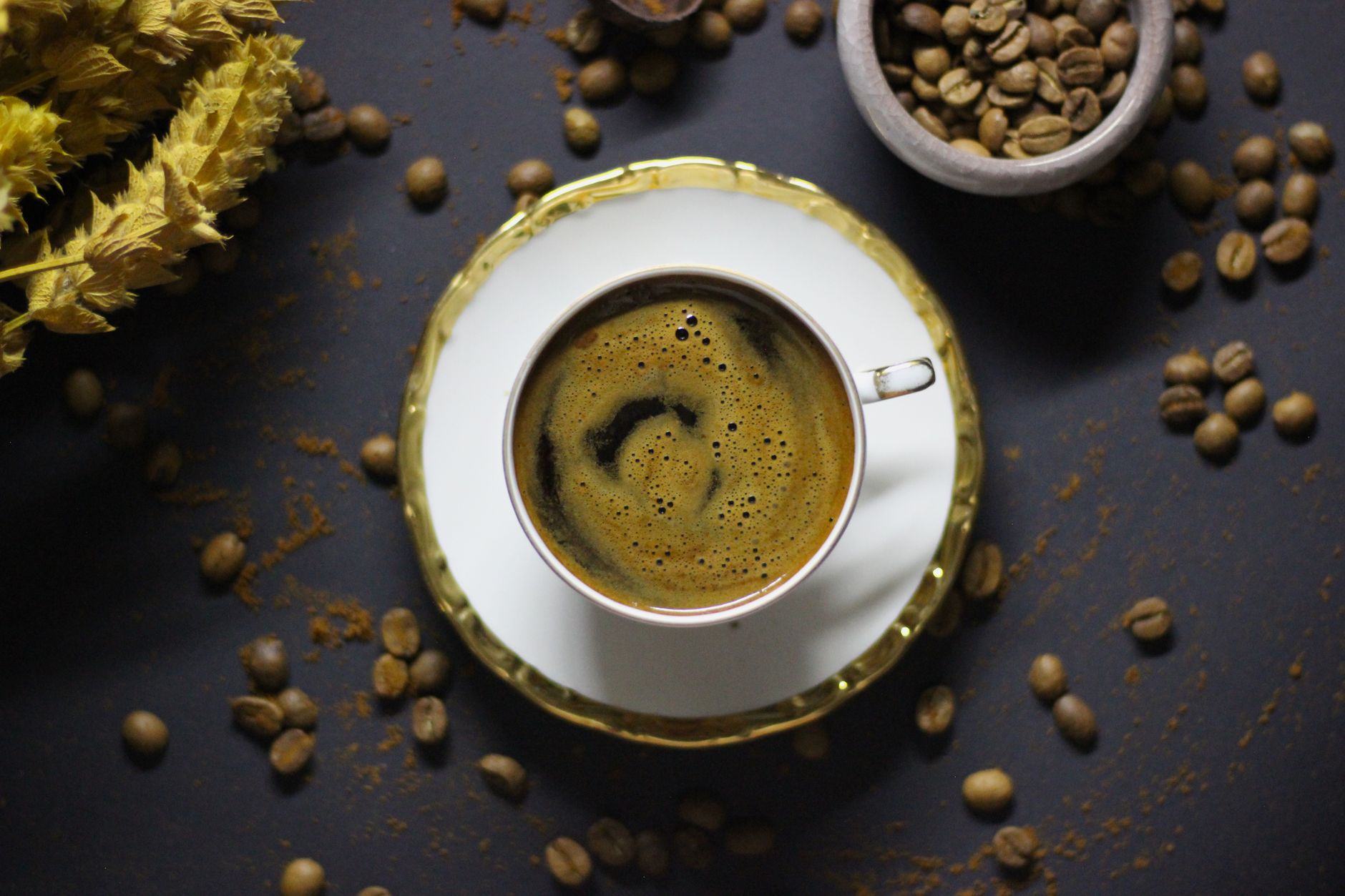
Black coffee is a popular beverage enjoyed by millions for its bold flavor and energizing effects. Understanding its calorie content can help those monitoring their diet or looking to make healthier choices. This article breaks down the calorie count in black coffee, its nutritional benefits, and the potential implications for your dietary habits.
In general, black coffee is very low in calories—typically containing around 2 calories per 8-ounce cup. However, many people have questions about variations in brewing methods, serving sizes, and the addition of other ingredients. Let’s explore these aspects more closely, including how black coffee can fit into your daily caloric intake.
How Many Calories are in Black Coffee?
The number of calories in black coffee depends on several factors, including the brewing method, serving size, and whether any additional ingredients are added. A standard 8-ounce cup of black coffee generally contains:
- Approximately 2 to 5 calories
This low-calorie content makes black coffee an attractive option for those looking to enjoy a beverage without substantially increasing their caloric intake. The calorie count is primarily associated with trace elements from coffee beans rather than added sugars or fats.
What Contributes to Caloric Content in Black Coffee?
The minimal calorie count in black coffee can be attributed to its primary ingredient: coffee beans. When brewed, these beans release aromatic compounds and some trace amounts of carbohydrates, proteins, and fats. However, the contribution of these macronutrients to the total calories is negligible.
Brewing Methods and Their Impact on Calories
Different brewing methods yield similar calorie counts. Here’s a rundown of popular brewing techniques and how they affect the caloric content of black coffee:
- Drip Coffee: One of the most common methods, this typically results in about 2 calories per 8-ounce cup.
- French Press: Due to the way it brews, French press coffee might contain slightly more oils, but still hovers around 2 to 5 calories.
- Espresso: A standard shot of espresso (about 1 ounce) contains roughly 1 calorie, making it an ultra-low-calorie option.
- Cold Brew: Cold brew coffee has similar calorie content, usually around 2 calories per 8-ounce serving, but its taste profile differs due to the brewing process.
Serving Sizes and Calories
While standard servings are often cited as 8 ounces, your actual serving size could differ significantly. If you prefer larger sizes, say a 16-ounce cup, you’re still consuming a reasonable number of calories—approximately 4 to 10 calories in most cases. Keep in mind that if you start adding sugar, cream, or flavored syrups, those calories will increase substantially, potentially altering the beverage from a low-calorie option to a much higher one.
Nutritional Benefits of Black Coffee
Aside from its low-calorie content, black coffee offers several other benefits that contribute positively to your overall health when consumed in moderation:
- A Source of Antioxidants: Black coffee is rich in antioxidants, which can help fight free radicals in your body. These compounds reduce oxidative stress and help protect against various chronic diseases.
- Boosts Metabolism: Caffeine, a primary ingredient in coffee, can help increase metabolic rate and fat oxidation, which may assist those looking to manage their weight.
- Improved Physical Performance: Caffeine is also known to improve physical performance by increasing adrenaline levels in the body.
- Enhanced Mental Focus: The caffeine content in black coffee improves alertness and cognitive function, which can be particularly beneficial during long working hours.
However, it is vital to consume coffee in moderation, as excessive caffeine intake can lead to negative side effects such as sleep disturbances, increased heart rate, or anxiety.
How Does Adding Ingredients Affect Caloric Content?
While black coffee itself is low in calories, adding ingredients such as sugar, milk, cream, or flavored syrups can significantly increase its calorie content. Here’s a quick overview of common additives:
- Sugar: One teaspoon of sugar adds approximately 16 calories. If you prefer a sweeter cup, these calories can quickly accumulate.
- Cream or Milk: Adding half-and-half (1 tablespoon contains about 20 calories), whole milk (1 tablespoon contains about 9 calories), or skim milk (1 tablespoon contains about 6 calories) can add fluctuating calories.
- Flavored Syrups: Often found in specialty coffee drinks, flavored syrups can add a significant number of calories, sometimes between 30 to 60 calories per pump.
Depending on what you add, it is easy to transform a 2-calorie cup of black coffee into a several-hundred-calorie beverage. Keeping your coffee simple helps keep it low-calorie.
Alternatives to Black Coffee: Calorie Considerations
If you’re looking for alternatives to black coffee that are still low in calories, consider these options:
- Green Tea: Contains roughly 2 calories per 8-ounce cup.
- Herbal Tea: Generally also very low in calories, often virtually zero.
- Decaf Coffee: Contains about 2 calories per 8 ounces, much like regular coffee but with reduced caffeine.
These alternatives can provide similar benefits without the higher calorie content associated with sweeter coffee drinks.
Common Mistakes When Preparing Black Coffee
While preparing black coffee is straightforward, several common mistakes can affect flavor and experience:
- Poor Coffee Quality: Using stale or low-quality beans can lead to a bitter flavor profile. Always choose freshly roasted, high-quality coffee.
- Incorrect Brew Time: Over-brewing can lead to bitterness, while under-brewing can produce a weak cup. Follow recommended brew times for your method.
- Inconsistent Coffee-to-Water Ratio: Too much coffee per water can make it overly strong and bitter; too little results in a weak taste. Optimal ratios typically range from 1:15 to 1:18 (coffee vs. water).
Brewing Tips for Delicious Black Coffee
To enhance your black coffee experience, consider these brewing tips:
- Use Filtered Water: The quality of water impacts overall taste. Filtered water is usually cleaner and will improve flavor.
- Proper Grinding: The grind size should correspond with the brewing method; coarse for French press, fine for espresso.
- Pre-warm Your Coffee Cup: Pre-warming the cup can prevent heat loss and enhance the tasting experience.
Storage and Reheating Black Coffee
Black coffee is best served fresh but can be stored for a limited time if needed. Here’s how to store it properly:
- Refrigerate: Place leftover black coffee in an airtight container in the refrigerator. It will keep for about 1 to 2 days.
- Reheat Carefully: When reheating, do so gently to avoid overcooking and developing off-flavors. Microwaving in short intervals is recommended.
- Avoid Flavor Loss: Coffee stored in the fridge may lose its freshness and optimal flavor characteristics.
While some may prefer iced black coffee or cold brew made in larger batches, consuming it fresh is often the best choice for flavor.
Practical Tips for Incorporating Black Coffee into Your Diet
If you are looking to incorporate black coffee into your diet while managing calorie intake, consider the following tips:
- Track Your Intake: Use a food diary or an app to track how coffee fits into your daily caloric goals.
- Limit Additions: If you’re aiming to keep the calories low, stick to black coffee and opt for low-calorie sweeteners if needed.
- Pair with Healthy Foods: Combine your black coffee with a balanced breakfast, such as oatmeal or eggs, to fuel your day.
By being mindful of what you add to your coffee and how it fits into your overall diet, you can enjoy its benefits while managing calorie intake effectively.
Ultimately, black coffee is an excellent beverage choice for many due to its low-calorie nature, rich flavor, and various health benefits. Whether you enjoy it hot or iced, embracing its simplicity can be a rewarding experience.
For those who enjoy coffee in various ways, consider checking out our protein coffee recipe for a nutritious twist, or try our iced Americano recipe for a refreshing drink. Discover how to make black coffee a staple in your daily routine without piling on the calories.