
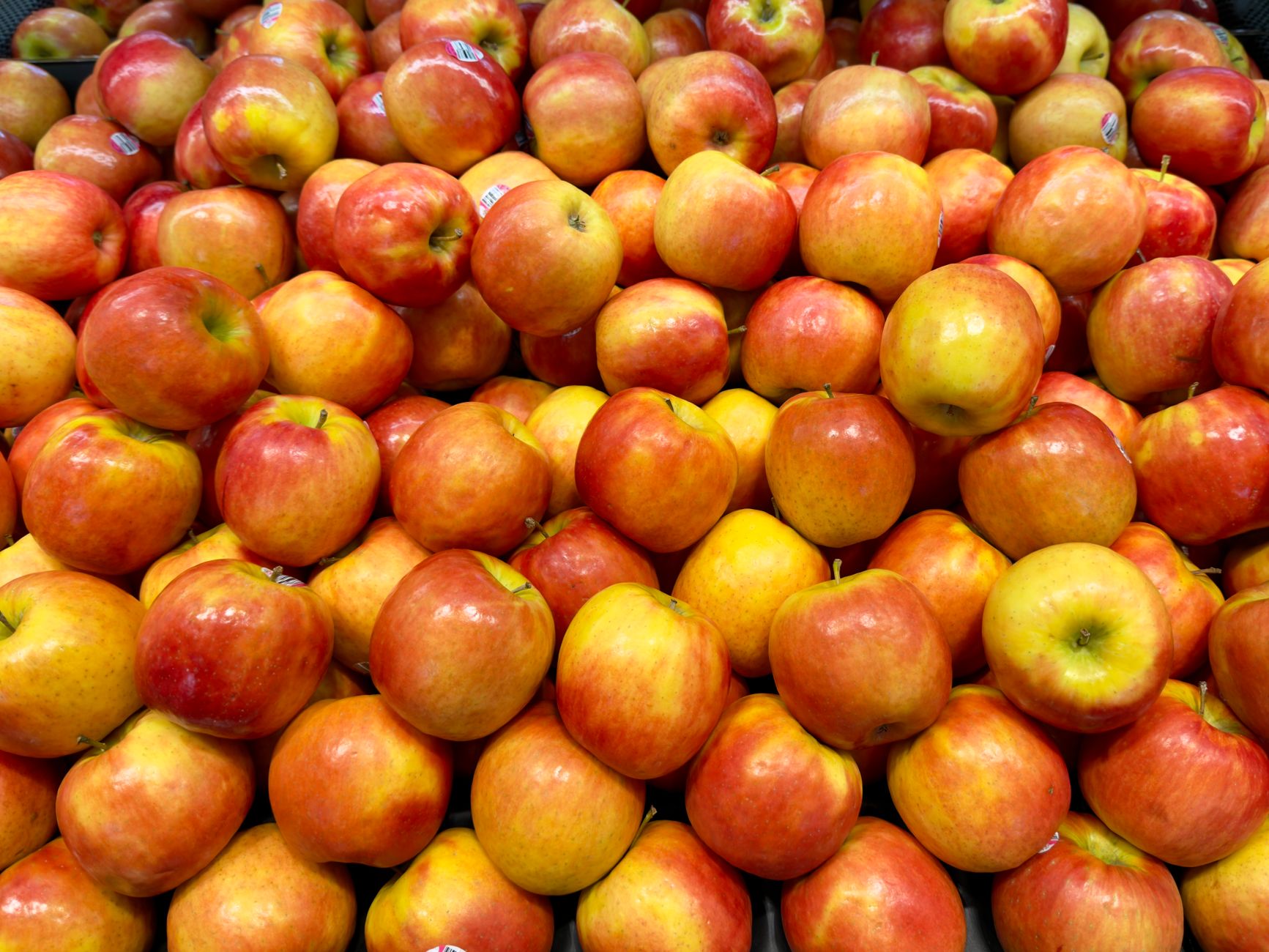
When it comes to healthy snacking options, apples often come to mind due to their crisp texture and refreshing flavor. One common question is, “How many calories are in a medium apple?” Understanding the calorie content and nutritional value of a medium apple can assist you in making healthier choices for your diet.
In this article, we will delve into the calorie content of a medium apple, explore its nutritional benefits, discuss portion sizes, and offer practical tips on incorporating apples into your meals and snacks.
How Many Calories in a Medium Apple?
A medium apple, typically measured at about 182 grams, contains approximately 95 calories. This number may vary slightly depending on the type of apple and its ripeness, but generally, the calorie count remains consistent with any medium apple.
Nutritional Profile of a Medium Apple
Besides the calorie count, it is crucial to understand what else a medium apple brings to your diet in terms of nutrition. Here’s a detailed breakdown:
- Calories: Approximately 95
- Carbohydrates: 25 grams
- Fiber: 4 grams
- Sugar: 19 grams
- Protein: 0.5 grams
- Fat: 0.3 grams
- Vitamin C: 14% of the Daily Value
- Potassium: 6% of the Daily Value
What Makes Apples Nutrient-Dense?
The health benefits of apples extend beyond just their low calorie count. Here are some key nutrients and properties they offer:
- Dietary Fiber: Apples are an excellent source of dietary fiber, which can aid in digestion and help maintain a feeling of fullness, making them a great snack option.
- Antioxidants: Apples contain various antioxidants, including quercetin and flavonoids, which contribute to heart health and may reduce the risk of chronic diseases.
- Hydration: With a high water content (about 86%), apples can help keep you hydrated.
- Vitamin C: This vitamin plays an essential role in immune function and skin health.
Portion Sizes: What is Considered a Medium Apple?
A medium apple typically weighs around 182 grams. However, apples come in various sizes, from small to large. Here’s a handy reference guide:
- Small Apple: Approximately 150 grams (about 77 calories)
- Medium Apple: Approximately 182 grams (about 95 calories)
- Large Apple: Approximately 240 grams (about 115 calories)
Incorporating Apples into Your Diet
Now that you know the calorie content and nutritional benefits of a medium apple, here are some practical tips on how to include them in your daily meals:
As a Snack
Apples make for an easy and healthy snack, either on their own or with accompanying foods. Try pairing sliced apples with:
- Peanut butter or almond butter for added protein
- Yogurt for a creamy dip
- Cinnamon for an extra flavor boost
In Salads
Adding apple slices or diced apples to salads can enhance flavor and texture. Here are some salad combinations:
- Mixed greens with sliced apples, walnuts, and feta cheese
- Apple wedges with spinach, almonds, and a balsamic vinaigrette
- Coleslaw with shredded apples for sweetness
In Cooking and Baking
Apples are versatile ingredients and can be used in various recipes, from savory dishes to desserts. Here are a few ways to incorporate them:
- Apple Compote: A simple dish that can be enjoyed warm or cold, great as a topping for pancakes or oatmeal.
- Apple Dump Cake: A delightful dessert that combines the sweetness of apples with a cake topping.
Health Benefits of Eating Apples
Regularly consuming apples has been associated with several health benefits. While not all benefits apply to every individual, here are some potential advantages:
- Weight Management: Thanks to their fiber content and low calorie count, apples can help with weight control by promoting satiety.
- Heart Health: The antioxidants in apples are known to support cardiovascular health by reducing blood pressure and cholesterol levels.
- Improved Gut Health: The soluble fiber found in apples can support healthy digestion and promote beneficial gut bacteria.
- Blood Sugar Regulation: Moderate consumption may stabilize blood sugar levels, making them a suitable fruit for those managing diabetes.
Common Mistakes When Choosing and Eating Apples
When it comes to choosing and consuming apples, a few common mistakes can hinder flavor and health benefits:
- Ignoring the Skin: The skin contains many of the apple’s nutrients, including fiber and antioxidants. Eating the skin can maximize the health benefits.
- Selecting the Wrong Type: Different apple varieties offer various flavors and textures. Choose apples that match your intended use, such as tart varieties for baking and sweet varieties for snacking.
- Over-Consuming Apple Juice: Many people opt for apple juice over whole apples, but juice lacks fiber and can be high in calories. Choose whole apples for better nutritional value.
Storage Tips for Apples
To ensure the freshness and extended shelf life of apples, follow these storage tips:
- Store apples in a cool, dry place, away from direct sunlight.
- If you have a large quantity, keep them in the refrigerator to maintain freshness and prevent spoiling.
- Keep apples separate from other fruits to minimize spoilage, as apples release ethylene gas that can accelerate the ripening of other produce.
Final Thoughts on Apples
Incorporating a medium apple into your snacking or meal prep routines can enhance your diet without significantly increasing your caloric intake. With approximately 95 calories and numerous health benefits, apples are a convenient and tasty option for maintaining a balanced diet.
Now that you know how to enjoy them best, grab a medium apple from your kitchen and treat yourself to a nutritious snack or experiment with exciting recipes. For more culinary ideas, explore delicious options like making Apple Compote or a delightful Apple Dump Cake.