
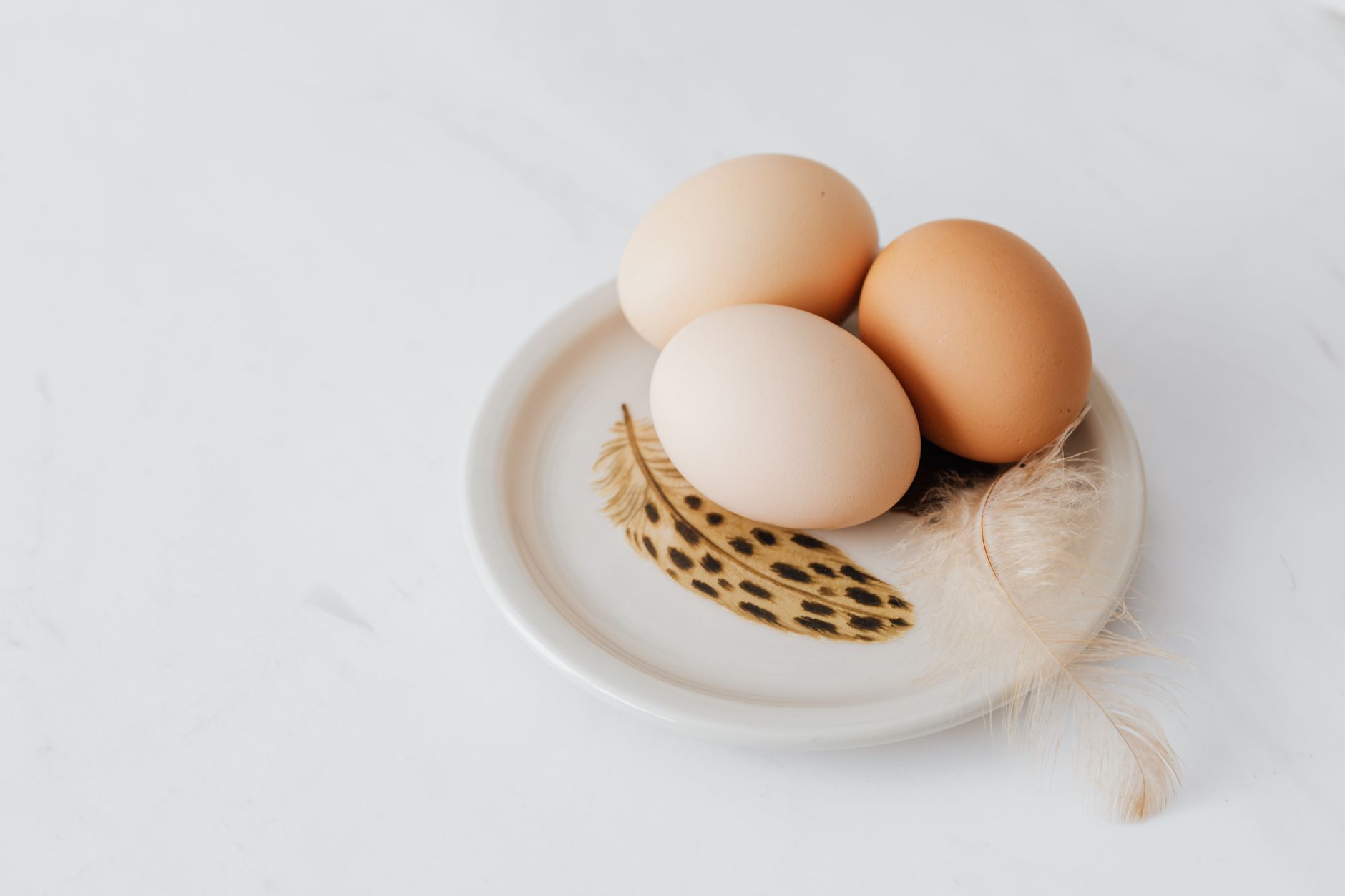
Understanding the nutritional content of foods is crucial for making informed dietary choices. One common ingredient found in many households is the egg, particularly large eggs. This article will delve into the caloric content of large eggs, exploring not only how many calories are in a large egg but also the nutritional benefits and various ways to incorporate them into your meals.
We’ll discuss serving sizes, compare the calories in different egg preparations, and emphasize the versatility of large eggs in various diets. By the end, you’ll have a comprehensive understanding of how to utilize eggs in your cooking while keeping your calorie intake in check.
How Many Calories in a Large Egg?
On average, a large egg contains about 70 calories. The exact caloric content can vary slightly based on the cooking method and additional ingredients included. Understanding this can be especially important for meal planning, dietary tracking, and ensuring balanced nutrition.
Nutritional Breakdown of a Large Egg
Beyond just calorie count, it’s beneficial to look at the overall nutritional composition of a large egg. Here’s a typical breakdown:
| Nutrient | Amount in a Large Egg |
|---|---|
| Calories | 70 |
| Protein | 6 grams |
| Fat | 5 grams |
| Carbohydrates | 1 gram |
| Cholesterol | 186 milligrams |
| Sodium | 70 milligrams |
| Vitamins (e.g., Vitamins A, D, E, B12) | Multiple vitamins |
As you can see, a large egg is predominantly made up of protein and fat, with minimal carbohydrates. This makes them an excellent source of high-quality protein, which is essential for muscle repair and overall health.
Caloric Variation by Preparation Method
The way you cook eggs can significantly impact their caloric content. Here are common preparation methods and the associated calorie counts:
- Raw large egg: Approximately 70 calories
- Scrambled eggs (using one large egg, cooked without added fat): Approximately 90 calories
- Fried egg (with one teaspoon of oil): Approximately 90 calories
- Poached egg: Approximately 70 calories
- Boiled egg: Approximately 70 calories
- Omelet (one egg with vegetables): Approximately 100 calories
Butter, oil, cheese, and other ingredients can add calories, so it’s wise to consider these additions when tracking your intake.
Health Benefits of Consuming Large Eggs
Eggs offer more than just a source of protein. They provide essential nutrients that contribute to various aspects of health:
- Rich in Nutrients: Eggs contain significant amounts of vitamins and minerals, including Vitamin D, which supports bone health.
- High-Quality Protein: Eggs include all essential amino acids, making them a great option for muscle building and repair.
- Promotes Eye Health: Eggs contain lutein and zeaxanthin, antioxidants that are beneficial for eye health.
- Supports Brain Function: Egg yolks are a source of choline, which is essential for brain development and function.
How to Incorporate Large Eggs into Your Diet
Large eggs are incredibly versatile and can be featured in a variety of meals throughout the day:
Breakfast Options
- Classic Scrambled Eggs: Whisk together a few large eggs with a splash of milk, then cook in a non-stick skillet for soft, fluffy eggs.
- Omelets: Fill an omelet with your favorite vegetables, cheese, or meats for a filling breakfast.
- Shakshuka: Poach eggs in a spicy tomato sauce for a flavorful, hearty breakfast.
Lunch and Dinner Ideas
- Salads: Top a bed of greens with a hard-boiled or poached egg to add protein and creaminess.
- Fried Rice: Incorporate scrambled eggs into fried rice for added flavor and nutrition.
- Quiches: Use eggs as the base for a savory quiche loaded with cheese and vegetables.
Snacks and Treats
In addition to main meals, eggs can be used in snacks as well:
- Deviled Eggs: A classic party snack; mash yolks with mayo and mustard for a creamy filling.
- Egg Muffins: Whisk together eggs and desired mix-ins, then bake in a muffin tin for easy grab-and-go snacks.
Common Mistakes to Avoid When Cooking Eggs
Cooking eggs might seem straightforward, but common mistakes can alter your final dish:
- Overcooking: Eggs can become rubbery. Cook on medium to low heat for scrambled eggs and remove them from the heat while they are slightly undercooked.
- Not Using Fresh Eggs: Fresh eggs have a firmer white, while older eggs will spread out more. Always check the freshness before cooking.
- Skipping the Seasoning: Enhance the flavor of eggs by seasoning them with salt, pepper, or herbs before cooking.
Storage Tips for Large Eggs
Proper storage of eggs is vital to ensure their freshness and safety:
- Refrigeration: Always store eggs in the refrigerator. Keeping them in their original carton helps protect them from absorbing odors and flavors from other foods.
- Check Freshness: Conduct a float test; if an egg stands upright or floats in water, it’s best to discard it.
- Use Before Expiry: Pay attention to the sell-by or expiration date. Eggs are often good for several weeks past this date if properly stored.
Guidelines for Cooking Eggs Safely
When cooking eggs, it’s essential to prioritize food safety:
- Cook Thoroughly: Eggs should be cooked until both the whites and yolks are firm to reduce the risk of foodborne illnesses.
- Avoid Cross-Contamination: Ensure to wash hands, utensils, and surfaces thoroughly after handling raw eggs.
- Use a Food Thermometer: Cook eggs to a temperature of 160°F (71°C) to ensure they are safe to consume.
Dietary Preferences and Eggs
Eggs are naturally gluten-free and are often included in low-carb and ketogenic diets due to their high protein and fat content. However, individuals with dietary restrictions, such as vegans or those allergic to eggs, can consider alternatives:
- Flaxseed Meal: Combined with water, it can mimic the binding properties of eggs in baking.
- Silken Tofu: Blended, it can replace eggs in certain recipes like quiches and cakes.
- Commercial Egg Replacers: These products are available for baking and can serve as substitutes for eggs in recipes.
Exploring Egg Alternatives for Those with Allergies
For individuals who cannot consume eggs due to allergies, there are several alternatives available that can provide similar textures or binding properties in cooking:
- Chia Seeds: Much like flaxseed, chia seeds can be mixed with water to create a gel-like substance that acts as a binding agent.
- Aquafaba: The liquid from canned chickpeas can be whipped and used as a substitute for egg whites in meringues and other recipes.
- Banana or Applesauce: These can be used in baking to add moisture and binding, though they also impart sweetness.
Creative Recipes Using Large Eggs
Including large eggs in your culinary repertoire can lead to delicious outcomes. Here are a few ideas to inspire you:
Egg Drop Soup
Simple yet comforting, this soup can be made by whisking eggs into simmering broth, creating silky strands of cooked egg. Season it with soy sauce and green onions for added flavor.
Spanish Tortilla
A hearty dish made by combining eggs with potatoes and onions, cooked in a skillet until set. It’s delicious served warm or at room temperature.
Egg Curry
Hard-boiled eggs simmered in a rich, spiced tomato and onion sauce make for a filling meal. Serve it with rice or bread.
Calorie Considerations for Meal Planning
When meal planning, consider the calorie count of eggs as part of your overall intake for the day. They can serve as an excellent protein source while being relatively low in calories. You might design meals such as a breakfast burrito with several scrambled eggs and vegetables or a salad topped with sliced hard-boiled eggs to enhance protein without going overboard on calories.
Large eggs can fit into various meal plans, whether focusing on weight management or muscle gain. Incorporating them wisely allows for flexibility without sacrificing nutrition.
Final Thoughts on Large Eggs and Calorie Content
In conclusion, large eggs are a versatile, nutrient-dense ingredient that can easily fit into various diets and meals. With about 70 calories each, they are a simple way to add protein and essential nutrients without significantly increasing your calorie intake. Consider all the various ways to prepare and incorporate eggs into your meals to enjoy their benefits while crafting delicious dishes.
For further exploration, you might be interested in how many calories are in two scrambled eggs or when eggs go bad. These topics can help you make informed decisions on cooking and storage practices.