
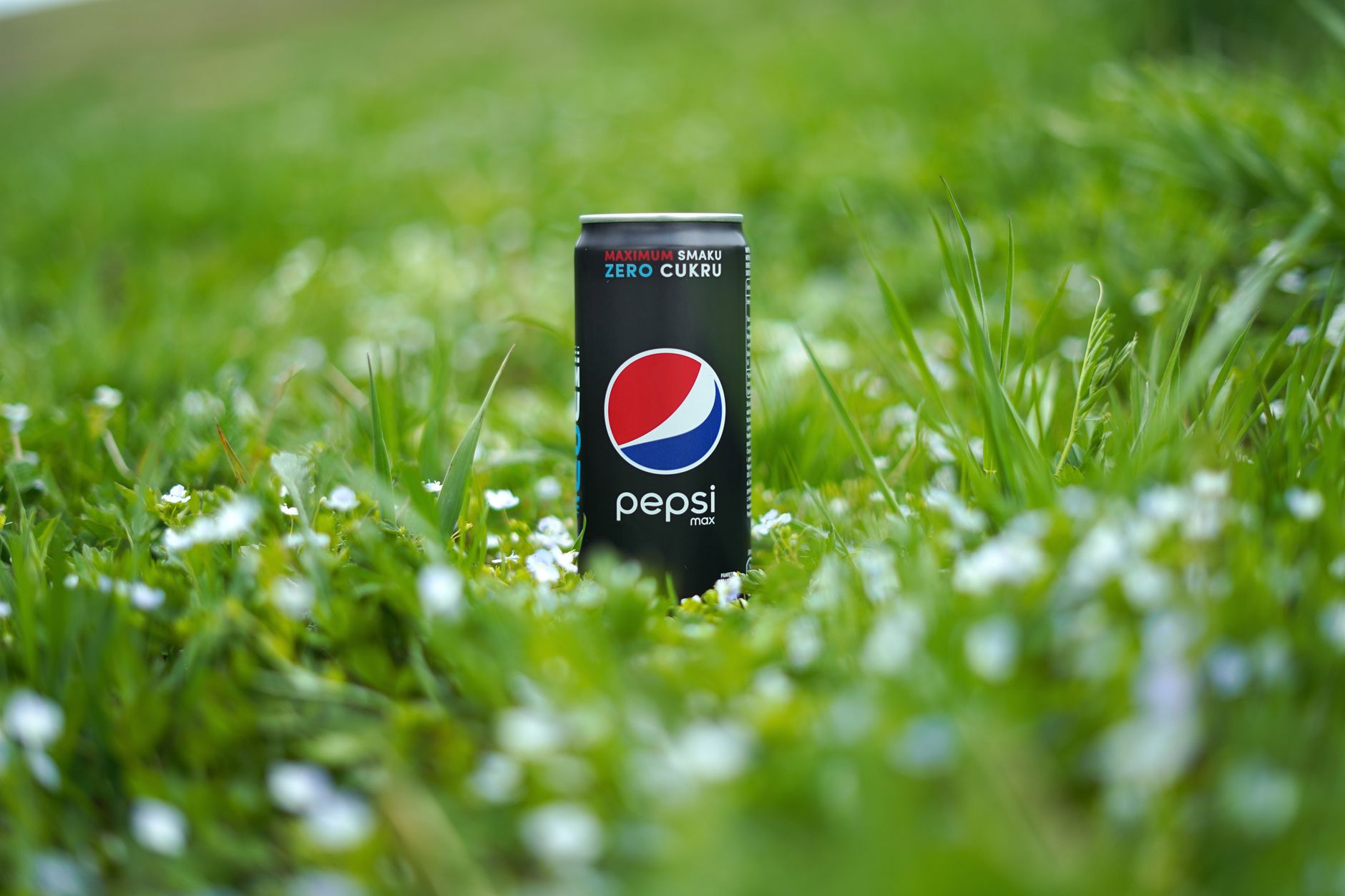
Pepsi is a popular carbonated soft drink that many people enjoy worldwide. Whether you’re at a party, a restaurant, or simply at home, a refreshing can of Pepsi can be hard to resist. However, if you’re watching your calorie intake or just curious about your beverage options, it’s essential to know how many calories are in a can of Pepsi.
In this article, we will explore the calorie content of Pepsi, its nutritional information, and how it fits into your daily diet. We’ll also discuss serving sizes, potential health implications, and tips for moderating sugar and calorie consumption.
How Many Calories in a Can of Pepsi?
A standard 12-ounce (355 ml) can of Pepsi contains approximately 150 calories. This calorie count primarily comes from sugars and carbohydrates, making drinks like Pepsi a significant source of empty calories rather than nutritional calories that provide essential nutrients.
Nutritional Breakdown of Pepsi
Understanding the nutritional content of Pepsi can help you make informed choices regarding your beverage intake. Here’s a more detailed breakdown of what’s in a can of Pepsi:
- Calories: 150
- Sugars: About 41 grams
- Sodium: 30 mg
- Carbohydrates: 41 grams
- Protein: 0 grams
- Fat: 0 grams
The primary ingredient that contributes to the calorie content in Pepsi is sugar. A 12-ounce can contains about 41 grams of sugar, which is equivalent to approximately 10 teaspoons of sugar. This high sugar content is one reason why Pepsi provides a quick boost of energy but lacks long-lasting satiety.
Calories from Different Pepsi Varieties
Pepsi comes in various flavors and formulations, each with its own calorie content. Here’s a look at some different variations:
- Diet Pepsi: 0 calories per can. This sugar-free version uses artificial sweeteners.
- Pepsi Zero Sugar: 0 calories per can. It aims to mimic the original flavor without the sugar.
- Pepsi Cherry: Around 150 calories per can, similar to classic Pepsi.
- Pepsi Vanilla: Approximately 150 calories per can, also similar to the original.
As seen above, the calorie count can vary based on the type of Pepsi product you choose. Diet options significantly reduce calorie intake by replacing sugar with artificial sweeteners.
How Many Calories Should You Consume Daily?
The daily caloric intake varies based on several factors, including age, gender, weight, and activity level. Generally, adult women require about 1,800 to 2,400 calories per day, while adult men typically need 2,200 to 3,000 calories. It’s essential to note that beverages like Pepsi should account for a small portion of your daily caloric intake. High-sugar beverages should not constitute a large percentage of your diet due to their minimal nutritional value.
Implications of High Sugar and Caloric Intake
While enjoying a can of Pepsi every once in a while may not be a problem, regularly consuming high-calorie, high-sugar beverages can lead to various health issues:
- Weight Gain: Consistently exceeding your daily caloric needs can result in weight gain, contributing to obesity.
- Increased Risk of Chronic Diseases: Prolonged high sugar intake has been linked to an increased risk of type 2 diabetes, heart disease, and other metabolic disorders.
- Dental Problems: The high sugar content in soft drinks can lead to tooth decay.
Total sugar intake should be limited to about 10% of your daily calories, according to dietary guidelines. For a standard 2,000-calorie diet, this equates to around 50 grams of added sugars per day. Since a single can of Pepsi contains over 40 grams, it can quickly deplete your recommended daily allowance.
When to Enjoy a Can of Pepsi
If you choose to enjoy a can of Pepsi, consider doing so during special occasions or as an occasional treat rather than a daily beverage. Here are some practical tips for moderation:
- Limit Frequency: Reserve sugary beverages for social events or specific cravings.
- Smaller Portions: Opt for smaller cans or put a limit on how much you’re consuming at one time.
- Balance with Nutrition: Ensure that the rest of your meals are nutrient-dense to counterbalance the empty calories from soft drinks.
Alternatives to Pepsi
If you’re contemplating alternatives to Pepsi but still crave a fizzy drink, there are numerous other options available:
- Sparkling Water: Can be flavored with natural fruit to offer a refreshing drink without added sugars.
- Homemade Lemonade: Using fresh lemon and a natural sweetener can provide a similar taste with fewer calories.
- Iced Tea: Unsweetened iced tea is another low-calorie option to satisfy your thirst.
These alternatives offer flavor and refreshment without overwhelming your sugar intake.
How to Read Nutrition Labels
Understanding how to read nutrition labels can empower you to make healthier choices every day. Here’s a quick guide on reading the nutrition label on a can of Pepsi:
- Serving Size: Check the serving size at the top of the label. For Pepsi, it’s typically measured per 12-ounce can.
- Calories: Look for the total caloric content in each serving, which for Pepsi is 150 calories.
- Daily Values: Pay attention to the percent daily values (%DV) which indicate how much a nutrient in a serving contributes to a daily diet.
- Other Nutritional Information: Check the content of sugars, proteins, fats, and sodium to gauge the overall nutritional profile.
Becoming proficient at reading labels allows you to make informed choices and understand how beverages like Pepsi fit into your overall dietary goals.
Conclusion
Understanding the calorie content of beverages like Pepsi helps you make better dietary choices, especially if you’re looking to reduce sugar intake or manage your weight. A standard 12-ounce can of Pepsi contains around 150 calories, primarily from sugar.
It’s important to enjoy sugary drinks in moderation and consider healthier alternatives. Make informed choices by familiarizing yourself with nutrition labels and maintaining a balanced diet.
For more information on beverages and their effects on nutrition, check out what Pepsi owns at What Does Pepsi Own? or learn about the nutritional value in other dishes like pho at How Many Calories in Pho?.