
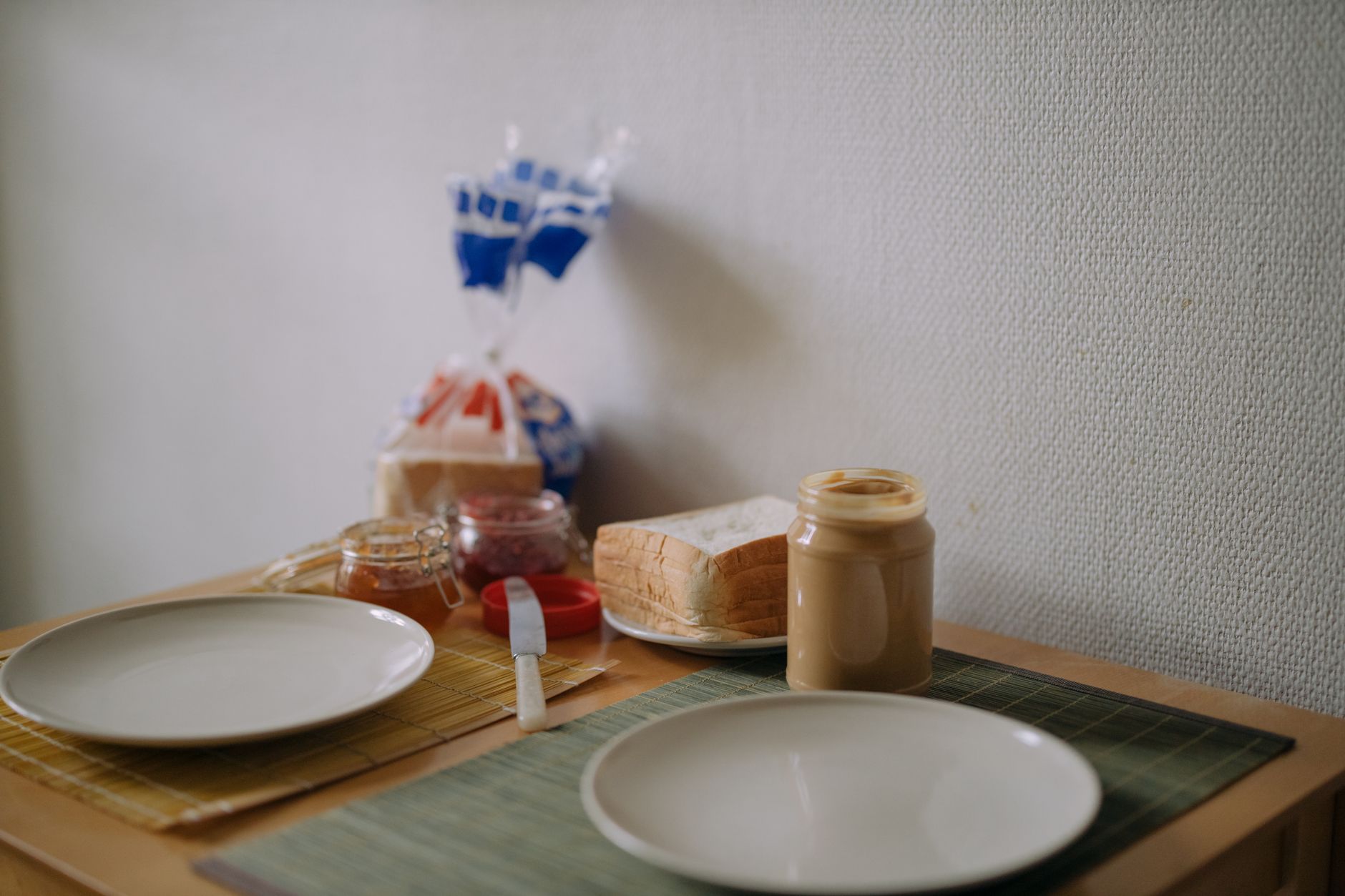
Uncrustables are a popular choice for quick snacks and lunches, loved for their convenience and fun, crustless format. But if you’re mindful of your calorie intake or simply curious about what you’re eating, you might wonder just how many calories are in an Uncrustable.
This article will delve into the calorie content of Uncrustables, how they fit into various dietary needs, ingredient breakdowns, and some practical considerations for those who incorporate them into their meals. You’ll find all the information you need to make informed snack choices.
How Many Calories Are in an Uncrustable?
Each Uncrustable contains approximately 210 to 250 calories, depending on the flavor. This range varies based on the specific ingredients used in different varieties. Understanding the calorie content can help in planning meals and snacks effectively.
Understanding Uncrustables
Uncrustables are pre-made sandwiches produced by Smucker’s, primarily aimed at convenient eating for children and adults alike. They feature a filling of peanut butter and jelly, or other spreads, nestled between soft, crustless bread. The packaging makes them easy to transport, making them a popular option for lunch boxes and snack bags.
Caloric Breakdown of Different Varieties
The calorie content of Uncrustables can differ based on their flavor. Here’s a breakdown of some popular varieties:
- Peanut Butter & Grape Jelly: Approximately 210 calories per sandwich.
- Peanut Butter & Strawberry Jelly: Approximately 210 calories per sandwich.
- Uncrustables with Nutella: Approximately 250 calories per sandwich.
- Almond Butter & Strawberry Jam: Approximately 230 calories per sandwich.
- Sunflower Butter & Raspberry Jam: Approximately 240 calories per sandwich.
Ingredients That Influence Calories
The calorie count is influenced by the ingredients inside and outside the sandwich. Some components to consider include:
- Bread: The type of bread used can impact calorie counts. White bread is common for Uncrustables, typically higher in calories than whole grain options.
- Nut Butters: The type of nut butter (peanut, almond, sunflower) can change the calorie content, as they have varying fat and protein profiles.
- Jelly or Jam: Higher sugar content in jams will also contribute additional calories.
Nutritional Considerations
Beyond just calories, it’s important to understand other nutritional content found in Uncrustables. Here are some key considerations:
Fat Content
Most Uncrustables contain about 10 to 12 grams of fat, primarily from the nut butters. Generally, unsaturated fats found in peanut and almond butter can be beneficial, but portion size is important.
Carbohydrates
Carbohydrate content in Uncrustables ranges from 25 to 30 grams. Most of these carbs come from the bread and the sugars in the jelly. Pay attention to this if you are on a low-carb diet.
Protein
Uncrustables typically contain around 5 to 7 grams of protein. Peanut butter varieties have higher protein content compared to those with less protein-dense fillings.
Dietary Considerations
If you have specific dietary needs or restrictions, it’s essential to check the label of the specific Uncrustable you plan to consume. Some considerations include:
Allergens
Uncrustables contain common allergens such as peanuts (or tree nuts in some varieties), gluten (from the bread), and soy (often found in some spreads). Always read the packaging carefully.
Vegan and Vegetarian Options
Uncrustables are typically vegetarian, though variety is limited when it comes to vegan options due to the standard use of dairy in some spreads. Always opt for nut-based fillings if you’re avoiding animal products.
Gluten-free Options
As of now, standard Uncrustables are not gluten-free. If you are seeking gluten-free alternatives, consider making homemade versions using gluten-free bread.
Meal Planning with Uncrustables
Incorporating Uncrustables into a balanced meal plan can offer convenience without sacrificing nutrition. Here are some ideas:
Lunch Ideas
Pair an Uncrustable with:
- Fresh fruits, like apple slices or berries, for added fiber and vitamins.
- Vegetable sticks, such as carrot or cucumber, for crunch and nutrients.
- A serving of yogurt or a cheese stick for added protein.
Snack Pairings
Uncrustables can also serve as a filling snack. Consider pairing them with:
- A handful of nuts or trail mix for healthy fat and protein.
- Slices of cheese for a calcium boost.
- Fruit smoothies for a refreshing drink option.
Making Your Own Uncrustables
If the standard Uncrustables don’t meet your dietary needs, consider making homemade versions. Here’s how:
Ingredients
- 2 slices of bread (whole grain or gluten-free, depending on preference)
- Your preferred nut butter (peanut, almond, or sunflower)
- Your choice of jelly or jam
- A large round cookie cutter or a glass (for shaping)
- A fork for sealing edges
Instructions
- Prepare the Bread: Lay two slices of bread on a clean surface.
- Spread Filling: On one slice, spread your chosen nut butter evenly, leaving about ½ inch border around the edges. On the other slice, spread your jelly or jam in the same manner.
- Combine: Place the jelly-covered slice on top of the nut butter-covered slice, aligning them carefully.
- Cut Out the Sandwich: Use the cookie cutter or glass to cut out a circular sandwich. This removes the crust and creates an appealing shape.
- Seal the Edges: Use a fork to press down firmly around the edges of the sandwich, sealing it closed.
- Store or Serve: Wrap your homemade Uncrustable in plastic wrap or store them in an airtight container. They can be chilled or frozen for later use.
Storage and Usage Tips
Proper storage is important for maintaining the quality of Uncrustables, whether store-bought or homemade:
Store-Bought Uncrustables
- Freezing: Store-bought Uncrustables come frozen. Keep them frozen until you are ready to eat. They thaw in a lunch bag or at room temperature in about 30 minutes.
- Refrigeration: Once thawed, do not refreeze or leave them out for too long. They are best enjoyed within 24 hours after thawing.
Homemade Uncrustables
- Freezing: Homemade Uncrustables can also be frozen. Wrap them tightly in plastic wrap before placing them in a freezer-safe bag. They can typically be kept frozen for up to two months.
- Thawing: Thaw the homemade version in the refrigerator overnight or at room temperature for a couple of hours before serving.
Conclusion
Understanding how many calories are in an Uncrustable is just the beginning of making informed choices about incorporating them into your diet. With a calorie range typically between 210 and 250 per sandwich, there are both convenience and accessibility factors to consider.
As your meal planning evolves, you can combine Uncrustables with nutritious sides to create balanced meals. Taking the homemade route also allows you full control of ingredients and nutritional content.
For additional insights, consider exploring how many calories are in pho or how many calories are in 2 scrambled eggs for further meal planning guidance.