
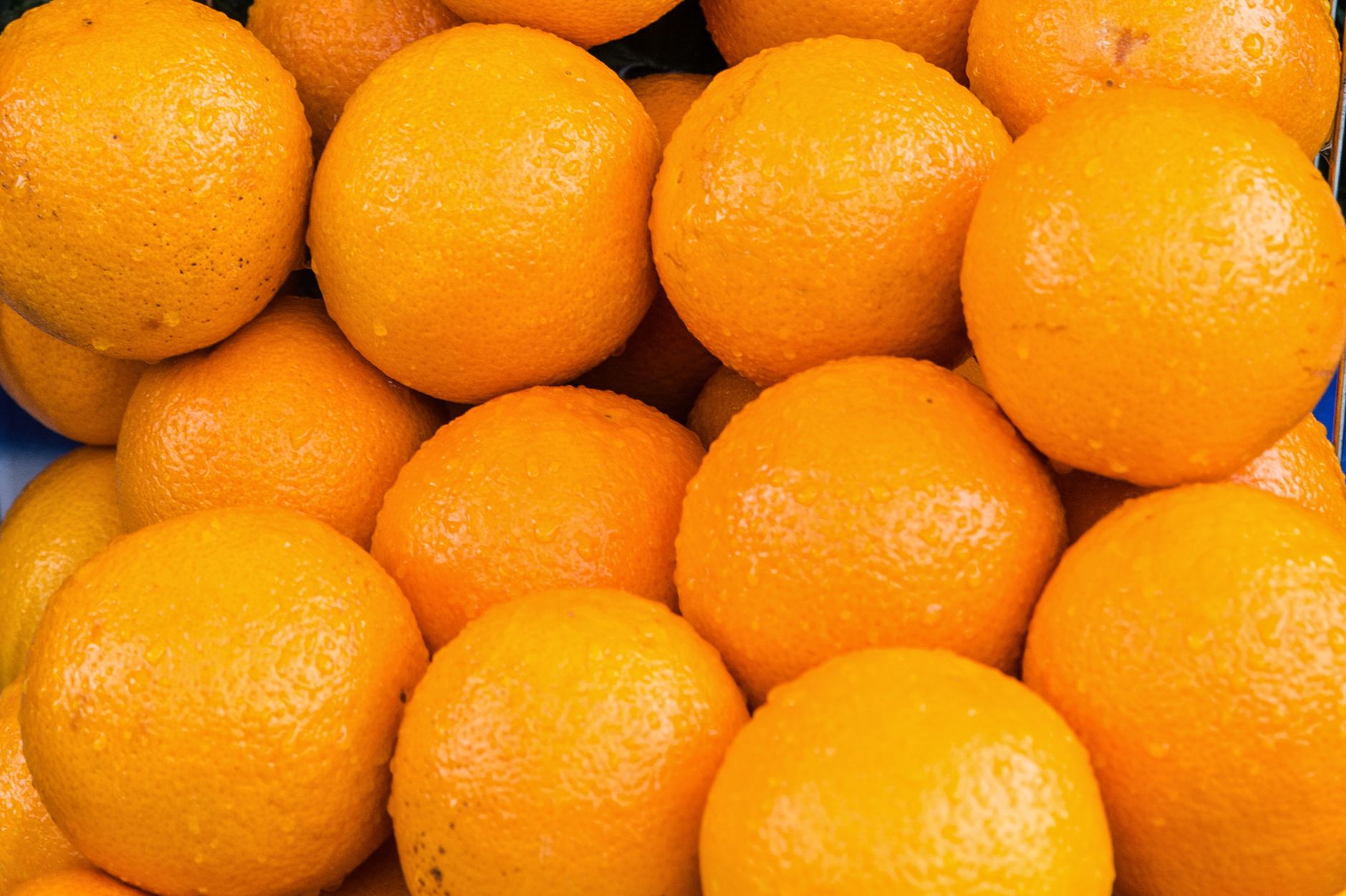
Oranges are not only delicious and refreshing but also a nutritious addition to any diet. They are well known for their vibrant flavor and high vitamin C content, making them a popular snack. However, if you’re watching your caloric intake or looking to maintain a balanced diet, you may be wondering how many calories are in an orange.
This article explores the caloric content of oranges and provides insights on their nutritional benefits, culinary uses, and how they fit into various dietary preferences. Let’s dive into all things orange!
How Many Calories Are In An Orange?
On average, a medium-sized orange contains approximately 62 calories. However, this number can vary slightly depending on the specific size and variety of the orange. Smaller oranges may have around 45 calories, while larger ones can contain up to 85 calories.
The Nutritional Profile of Oranges
Understanding the caloric content of oranges is essential, but it’s equally important to look at their nutritional benefits. Here’s an overview of the nutrition content present in an average medium-sized orange:
- Calories: 62
- Carbohydrates: 15.4 grams
- Dietary Fiber: 3.1 grams
- Sugars: 12.2 grams
- Protein: 1.2 grams
- Fat: 0.2 grams
- Vitamin C: 70 mg (about 78% of the daily value)
- Calcium: 52 mg (about 5% of the daily value)
- Potassium: 237 mg (about 7% of the daily value)
The Importance of Vitamin C
Oranges are famously rich in vitamin C, a potent antioxidant that plays a crucial role in supporting the immune system. Regular consumption of vitamin C can help reduce the duration and severity of colds and flu. Additionally, it contributes to skin health and the absorption of iron from plant-based foods.
Dietary Fiber Benefits
The fiber content in oranges provides multiple health benefits. Dietary fiber aids in digestion, helps maintain a healthy weight by promoting feelings of fullness, and can assist in lowering cholesterol levels. By incorporating oranges into your diet, you can enhance your fiber intake, which many people often lack.
Caloric Breakdown by Orange Size
To better understand how many calories are in an orange based on its size, we can look at a more detailed breakdown:
| Orange Size | Calories |
|---|---|
| Small Orange (around 2.5 inches in diameter) | 45-55 |
| Medium Orange (around 2.9 inches in diameter) | 62 |
| Large Orange (around 3.5 inches in diameter) | 85-100 |
How Oranges Fit Into a Balanced Diet
Incorporating oranges into your diet can be both enjoyable and fulfilling. Their low-calorie count makes them an excellent choice for snacks or as part of a meal. Here are a few ways you can work oranges into your daily nutrition:
1. As a Snack
Healthy snacking is essential for maintaining energy levels without compromising your calorie goals. A medium orange makes for a portable and refreshing snack that can stave off hunger between meals.
2. In Salads
Oranges add a burst of flavor and nutrition to salads. Their sweetness can balance out bitter greens like arugula or kale. Combining oranges with nuts and cheese can create a delightful assortment of textures and tastes.
3. Juicing
Freshly squeezed orange juice is a breakfast staple for many. However, keep in mind that juicing removes much of the fiber, concentrating the sugars and calories. A medium orange yields about 1/3 cup of juice, which can contain anywhere from 75 to 90 calories.
4. Baking and Cooking
Oranges can enhance baked goods through zest or juice. They also work well in marinades, sauces, and as flavoring agents for various dishes, providing a delicious citrusy twist.
Substitutions for Oranges
If you’re looking for alternatives to oranges, there are several fruit options that can offer similar flavors and textures:
- Clementines: Smaller and sweeter than oranges, clementines also offer low calories and a similar nutritional profile.
- Grapefruits: Slightly more bitter, grapefruits are low in calories and high in vitamin C. They can be used in salads or eaten fresh.
- Lemons: While tart, lemons can add acidity and flavor to dishes. Lemon juice can replace orange juice in some recipes.
- Tangerines: Similar in taste to oranges, tangerines are smaller and typically easier to peel, making them accessible snacks.
Common Mistakes to Avoid When Eating Oranges
While oranges are a healthy choice, there are a few common pitfalls that can diminish their benefits:
1. Overconsumption
Despite their health benefits, it’s essential to consume oranges in moderation. Eating too many can lead to excess sugar intake, impacting blood sugar levels, especially for those with diabetes.
2. Avoiding the Peel
The orange peel contains valuable nutrients and fiber. While it may be too bitter for some, incorporating zest into recipes can enhance flavor and nutrition.
3. Bottled Juices
Bottled orange juices often have added sugars and preservatives. Opt for fresh, homemade juice to keep caloric counts lower and avoid unwanted ingredients.
Storage Tips for Oranges
To keep oranges fresh and flavorful, consider these storage tips:
- Room Temperature: Store oranges at room temperature if you plan to eat them within a week. Ensure they are in a well-ventilated area, away from direct sunlight.
- Refrigeration: If you have excess oranges, they can be stored in the refrigerator for up to two weeks. Place them in a perforated bag to allow airflow.
- Freezing: To freeze oranges, first, peel and segment them. Spread them out on a baking sheet, freeze until solid, then transfer to an airtight container. This way, you can enjoy them in smoothies or as a snack later.
How Many Oranges Should You Eat in a Day?
While there’s no one-size-fits-all answer, many nutritionists recommend consuming one to two servings of citrus fruits daily. For most adults, a couple of medium oranges fits well within a balanced diet and can offer a refreshing way to meet your fruit intake goals.
Exploring Other Citrus Fruits
If you appreciate the taste of oranges, consider experimenting with other citrus fruits for variety:
- Lemons: Known for their tartness, lemons can be used for marinades, salad dressings, or mixed into beverages.
- Limes: Perfect for cocktails and cooking, limes offer a similar flavor profile and are low in calories.
- Grapefruits: A great breakfast option, grapefruits are slightly more bitter than oranges but also provide many health benefits.
- Tangerines: Easy to peel and sweet, tangerines are excellent snacks for both kids and adults.
Conclusion
Oranges are a healthy, low-calorie fruit choice packed with essential nutrients, making them an excellent addition to any diet. With an average medium-sized orange containing about 62 calories, you can enjoy this citrus fruit in various ways. Whether snacking, juicing, or incorporating them into recipes, oranges offer a delicious way to boost your vitamin intake and enjoy flavor.
To further expand your culinary repertoire, consider trying this orange sherbet recipe or enhance your holiday meals with a cranberry sauce recipe with orange. Enjoy exploring the delicious world of oranges and other citrus fruits!