
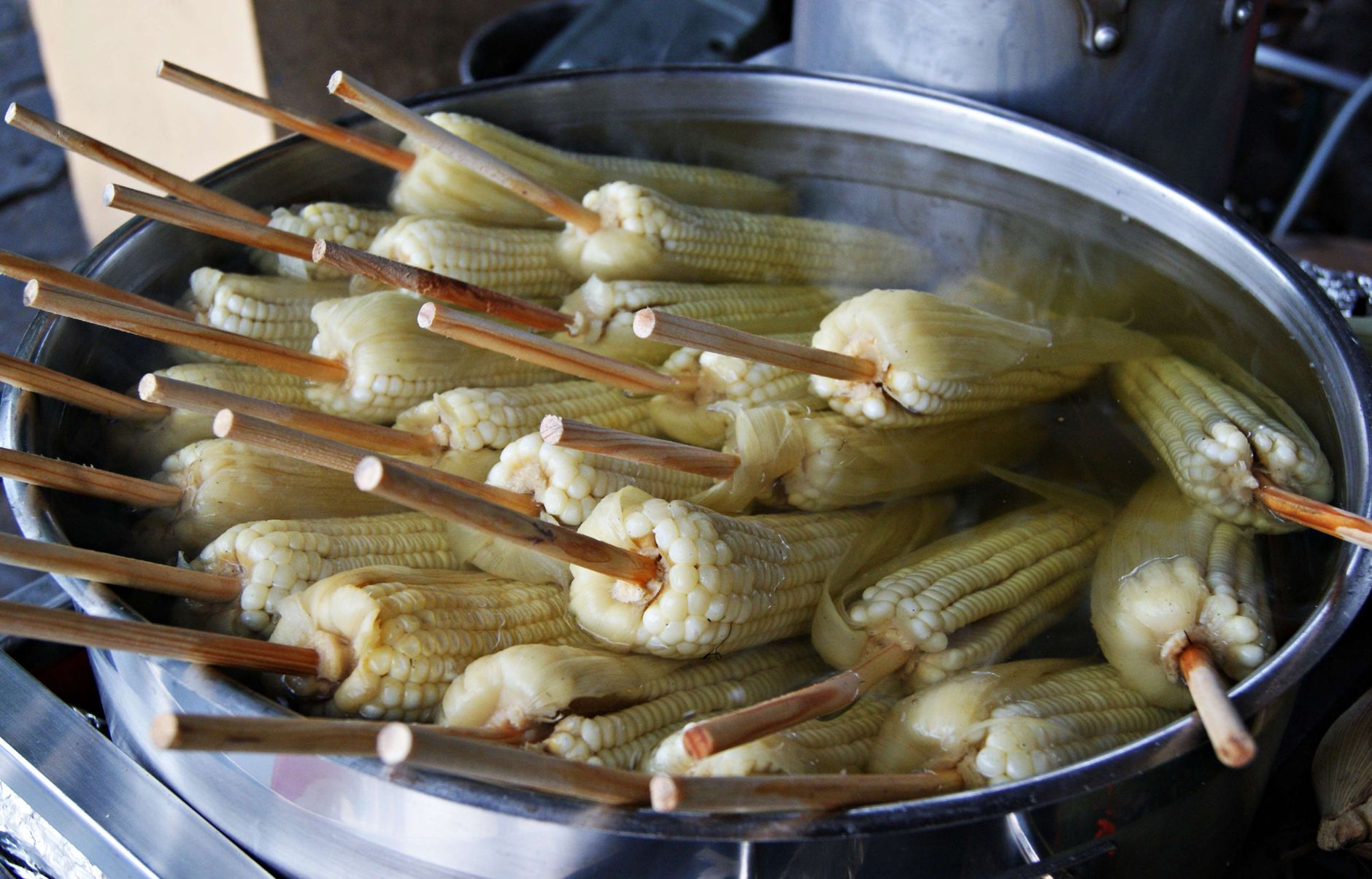
Corn on the cob is one of summer’s most delightful treats, often enjoyed grilled, boiled, or roasted. Aside from its delicious flavor and satisfying crunch, many people are curious about its caloric content, especially when planning meals or managing dietary needs.
Understanding the calorie count of corn on the cob can help you make informed choices, whether you’re savoring it at a barbecue or incorporating it into a healthy meal prep. Let’s explore how many calories are in corn on the cob and its nutritional benefits.
How Many Calories Are in a Corn on the Cob?
A medium-sized ear of corn on the cob (about 7 to 8 inches long) contains approximately 90 to 100 calories. The exact calorie count can vary slightly based on the corn variety and cooking method, but this estimate provides a solid baseline.
Besides calories, corn on the cob offers essential nutrients such as fiber, vitamins, and minerals, making it a nutritious choice when included as part of a balanced diet.
The Nutritional Profile of Corn on the Cob
A single medium ear of corn on the cob typically contains the following nutrients:
- Calories: 90 – 100
- Carbohydrates: 20 grams
- Fiber: 2 grams
- Sugar: 6 grams
- Protein: 3 grams
- Fat: 1.5 grams
- Vitamin C: 10% of the Daily Value (DV)
- Thiamine (B1): 15% of the DV
- Folate: 8% of the DV
- Magnesium: 6% of the DV
These values can fluctuate depending on the size of the ear and how it is prepared. For example, adding butter or other toppings can significantly increase the calorie count.
How Cooking Method Affects Caloric Content
The cooking method you choose can influence the calorie count and overall nutritional profile of corn on the cob. Here are some common methods:
Boiling
Boiling corn on the cob is a straightforward method. The calorie count remains close to 90 calories per ear since no extra fat is added. Typical boiling time is about 5-7 minutes for tender kernels.
Grilling
Grilling can give corn a delicious smoky flavor. When grilled, the ear retains similar calories unless you apply oil or butter. Grilling typically requires 10-15 minutes of cooking over medium heat. This method often adds aesthetic appeal but does not change the intrinsic caloric value.
Roasting
When roasting corn in the oven, it can be slightly caramelized, enhancing its sweetness. The calorie count remains close to the raw value as long as you don’t add significant amounts of fat. Roasting usually takes about 20 to 25 minutes at 400°F (200°C).
Serving Suggestions and Pairings
Corn on the cob can be served with various toppings and sides that enhance its flavor. Consider these options, keeping in mind how they affect the overall calorie intake:
- Butter: One tablespoon adds about 100 calories.
- Cheese: Sprinkling Parmesan or feta adds 20 to 80 calories, depending on the amount.
- Spices: Seasoning with salt, pepper, or spices generally adds negligible calories but can enhance flavor.
- Lime and chili powder: This classic topping adds zest without significantly impacting caloric content.
Make-Ahead Tips for Corn on the Cob
If you’re planning a meal that includes corn on the cob, consider these practical make-ahead tips:
- Prep: Husk and clean the corn a few hours before cooking. Store it in a container with water in the refrigerator to keep it fresh.
- Cooking: You can grill or boil corn ahead of time and then reheat it before serving. This is especially useful for large gatherings.
- Freezing: If you want to prepare corn on the cob in bulk, consider freezing it after cooking. This process involves blanching the corn, cooling it, and then placing it in freezer bags.
Common Mistakes to Avoid
To ensure you enjoy the best possible corn on the cob experience, here are some common mistakes to avoid:
- Not Husked Properly: Ensure the corn is husked correctly to avoid any unpleasant, tough bits.
- Overcooking: Corn becomes tough when overcooked, so monitor closely during boiling or grilling.
- Skipping Seasoning: Elevate the flavor of your corn by seasoning. Don’t skip this step!
Storage and Reheating Guidelines
Proper storage of corn on the cob is essential for maintaining its flavor and texture:
- Refrigerating: Keep leftover corn on the cob in an airtight container in the refrigerator for up to three days.
- Freezing: To freeze, blanch corn in boiling water for 4-5 minutes, then cool and store in freezer bags. It can last for up to 12 months.
For reheating, you can steam or microwave the corn to warm it up without losing moisture. If reheating on a grill, coat it lightly in butter to add moisture and flavor.
Variations of Corn on the Cob
Corn on the cob can also be prepared in various ways to suit different dietary preferences:
Creamy Corn on the Cob
Mix softened butter with herbs and spices to create a creamy, flavorful spread. This variation suits those looking for a richer taste.
Vegetarian Toppings
Incorporate vegan butter or flavored oils and top with nutritional yeast for a cheesy flavor without animal products.
Global Variants
Explore variations such as the Mexican elote, where corn is slathered with mayonnaise, cheese, and chili powder, presenting a different flavor profile.
Conclusion
Corn on the cob is not just a summer delight but also a nutritious side dish that fits well into many diets. With approximately 90 to 100 calories per medium ear, you can incorporate this versatile ingredient without worry. Consider the cooking methods, serving suggestions, and make-ahead tips to enhance your dining experience.
Now that you have all the information about corn on the cob, why not explore delicious corn-inspired dishes? Check out our corn pone recipe or try our corn soufflé recipe. Enjoy cooking!