
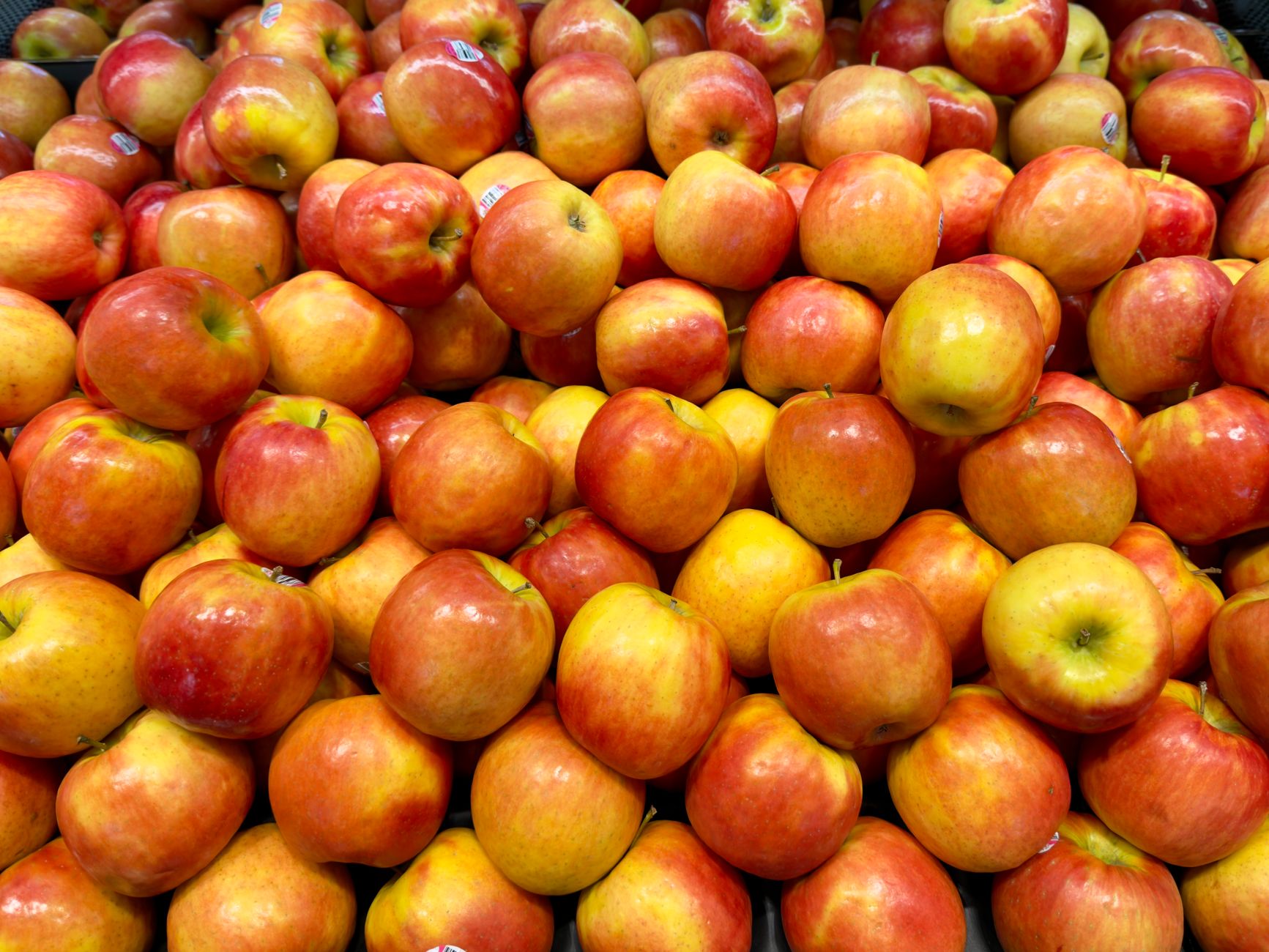
The humble apple is a staple in many diets around the world. Known for its crisp texture and sweet flavor, it is a popular choice as a snack or an ingredient in various recipes. Many health-conscious individuals seek to understand the nutritional profile of apples, particularly their caloric content.
In this article, we will explore how many calories are in an apple, considering various serving sizes. Additionally, we’ll delve into the nutritional benefits of apples and offer practical advice on incorporating them into your diet.
How Many Calories Are in an Apple?
The calorie content of an apple varies based on its size and type. On average, a medium-sized apple (about 182 grams) contains approximately 95 calories. Smaller apples, such as a small apple (about 149 grams), contain around 77 calories, while larger apples (about 223 grams) can have around 116 calories. Understanding these variations can help you make better dietary choices.
Caloric Breakdown by Apple Size
To help you visualize the caloric content of apples by different serving sizes, here is a simple breakdown:
| Apple Size | Weight (grams) | Calories |
|---|---|---|
| Small Apple | 149 | 77 |
| Medium Apple | 182 | 95 |
| Large Apple | 223 | 116 |
Nutritional Benefits of Apples
Beyond their calorie content, apples are packed with various nutrients that can contribute to your overall health. Consider the following benefits:
- Rich in Dietary Fiber: Apples contain both soluble and insoluble fiber, aiding digestion and promoting a healthy gut.
- Source of Vitamin C: This vitamin is crucial for immune function, skin health, and antioxidant protection.
- Low in Calories: Their low calorie count makes apples a perfect snack for weight management.
- Antioxidant Properties: Apples are rich in polyphenols, which can reduce inflammation and lower the risk of chronic diseases.
Using Apples in Your Diet
Incorporating apples into your diet can be simple and enjoyable. Here are some practical ideas:
Snacks and Breakfasts
- Slice a medium apple and pair it with nut butter for a nutritious snack.
- Chop apples into oatmeal or yogurt for added flavor and texture.
- Blend apples into smoothies for a sweet and nutritious drink.
Cooking and Baking
Apples are versatile ingredients in cooking and baking. Here are some ways you can use them:
- Make apple sauce by cooking down peeled apples with a bit of sugar and spices.
- Create a hearty apple pie or look for an apple pie filling recipe to use in desserts.
- Bake apples with cinnamon for a warm, comforting dessert.
- Use apples in salads for a refreshing crunch.
Practical Tips for Choosing and Storing Apples
Selecting the right apple can enhance your cooking and snacking experience. Here are some tips:
Choosing Apples
- Look for apples that are firm and free from bruises or soft spots.
- Check for a vibrant color, as it often indicates ripeness.
- Smell the apple; a good-fragrant apple often indicates freshness.
Storing Apples
Proper storage can help prolong the freshness of your apples:
- Store apples in a cool, dry place or in the refrigerator to maintain their crispness.
- Keep apples away from other fruits, as they emit ethylene gas that can cause other fruits to ripen faster.
- Wash apples just before eating to keep them fresh longer.
Common Mistakes When Using Apples
Here are some common pitfalls with apples and how to avoid them:
- Overcooking: When cooking apples, be mindful of overcooking; they can lose their texture and flavor.
- Inefficient Peeling: For recipes wanting an apple’s tang, avoid peeling unless necessary, as the skin contains many nutrients.
Dietary Considerations
Apples can be beneficial for various dietary preferences, including:
- Vegetarian: Apples are naturally plant-based and can be easily included in vegetarian meals.
- Vegan: Since they contain no animal products, apples are perfect for a vegan diet.
- Low-Carb/Keto: While apples are healthy, their carbohydrate content is moderate, so portion control is key for strict low-carb diets.
Top Apple Varieties and Their Taste Profiles
Different varieties of apples offer unique flavors and textures. Here are some popular ones:
- Fuji: Sweeter with a firm texture, great for eating raw.
- Granny Smith: Tart and crisp, perfect for baking and cooking.
- Honeycrisp: Juicy and sweet, a top choice for fresh eating.
- Gala: Mild and sweet, excellent in salads or eaten raw.
Conclusion
Understanding the caloric content of apples is just one aspect of appreciating this versatile fruit. With their rich nutrient profile and numerous health benefits, apples can be an excellent addition to a balanced diet. Whether you enjoy them raw, baked, or in salads, apples offer a multitude of ways to enhance your meals without significantly adding to your calorie intake.
Explore more delicious recipes and cooking tips, such as our apple pie filling recipe and the delightful apple dump cake recipe to take advantage of these nutritious fruits!