
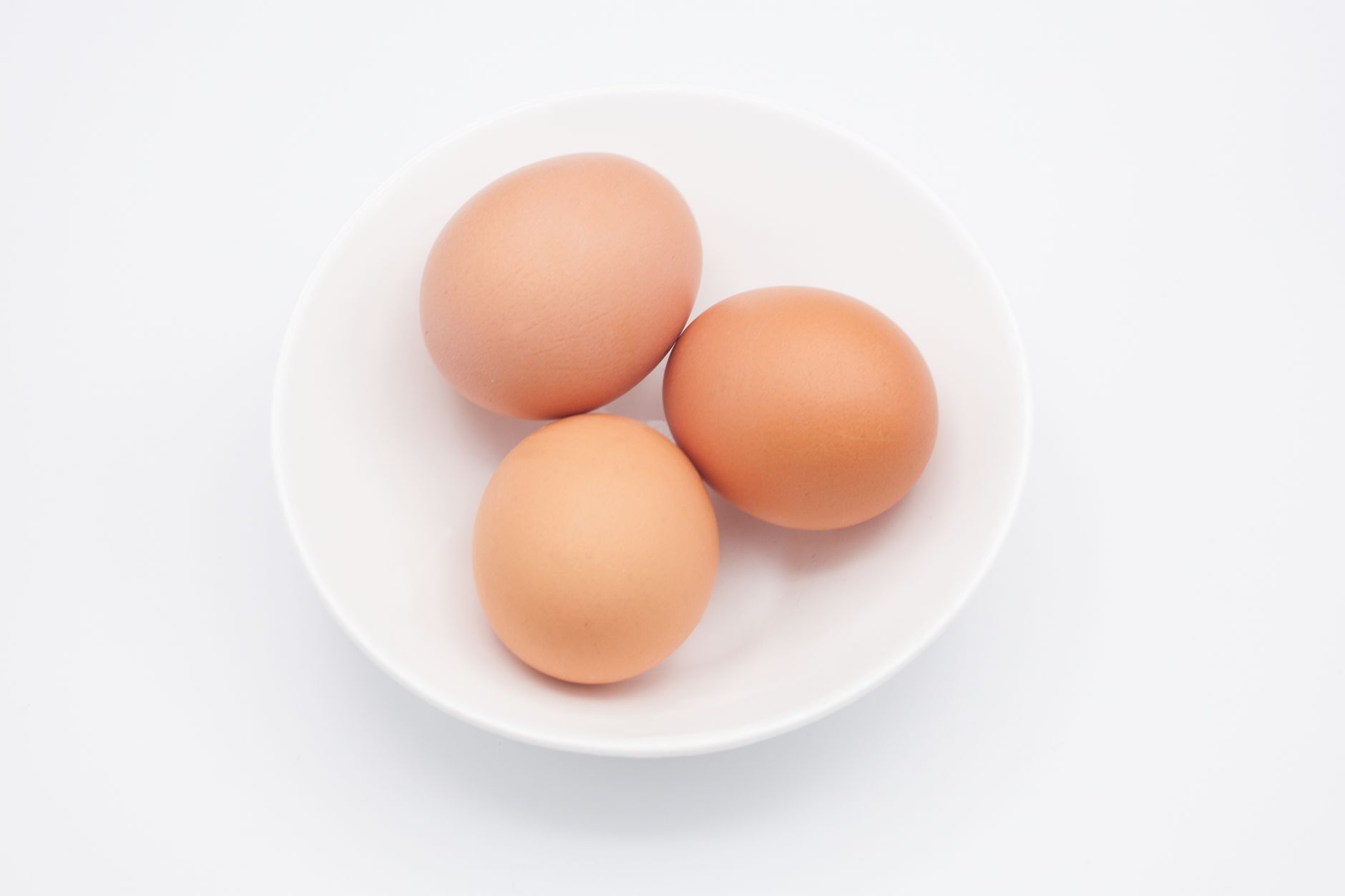
Eggs are a staple ingredient in many kitchens, celebrated for their versatility, nutrition, and flavor. Whether you’re scrambling, frying, poaching, or baking, eggs can elevate your meals while providing essential nutrients.
When it comes to health and diet, understanding the caloric content of ingredients like eggs is crucial. In this article, we will explore how many calories are in three eggs and discuss their nutritional value, health benefits, and culinary uses.
How Many Calories Are In 3 Eggs?
Three large eggs contain approximately 210 calories. This figure can vary slightly depending on the size and cooking method of the eggs. Understanding these calories in the context of balanced nutrition can help you make informed food choices.
Breaking Down the Caloric Content of Eggs
When discussing the caloric value of eggs, it’s essential to consider the size of the eggs being measured. The USDA categorizes eggs into different sizes, generally small, medium, large, extra-large, and jumbo. The most commonly used size in nutritional guides is large.
- Small Egg: Approximately 54 calories
- Medium Egg: Approximately 63 calories
- Large Egg: Approximately 72 calories
- Extra-Large Egg: Approximately 80 calories
- Jumbo Egg: Approximately 90 calories
Calories in 3 Eggs by Size
To understand how many calories are in three eggs of various sizes, here’s a breakdown:
- Small Eggs: 162 calories (54 calories x 3)
- Medium Eggs: 189 calories (63 calories x 3)
- Large Eggs: 216 calories (72 calories x 3)
- Extra-Large Eggs: 240 calories (80 calories x 3)
- Jumbo Eggs: 270 calories (90 calories x 3)
Nutritional Value of Eggs
Eggs are not just a source of calories; they are rich in nutrients, making them an excellent addition to any diet. A large egg contains the following nutritional components:
- Protein: 6 grams
- Fat: 5 grams
- Cholesterol: 186 milligrams
- Sodium: 70 milligrams
- Vitamin A: 6% of the daily value (DV)
- Vitamin D: 10% of the DV
- Riboflavin (Vitamin B2): 15% of the DV
- Vitamin B12: 20% of the DV
- Selenium: 22% of the DV
Notably, eggs are a complete protein source, containing all nine essential amino acids required for tissue repair and growth. The fat profile consists mainly of unsaturated fats, which are considered healthier options.
Health Benefits of Eggs
Regular consumption of eggs and their nutritional constituents can provide several health benefits:
- Muscle Strength: The high protein content is beneficial for muscle repair and growth, making eggs an excellent post-workout food.
- Brain Health: Eggs are rich in choline, an essential nutrient that supports brain development and function.
- Eye Health: The antioxidants lutein and zeaxanthin found in eggs can help protect against age-related eye diseases.
- Weight Management: High protein foods, including eggs, can promote feelings of fullness and reduce the overall intake of calories.
Cooking Methods and Caloric Impact
The way you prepare eggs can influence their caloric content. Here are some common cooking methods and their potential impact on calories:
Scrambled Eggs
When scrambled, eggs are often cooked with milk or butter, which adds additional calories. For instance, if you scramble three large eggs with one tablespoon of butter, the total calorie count would be around 330 calories (216 from the eggs and approximately 114 from the butter).
Fried Eggs
Fried eggs can also increase calories depending on the oil or butter used. Cooking three large eggs in one tablespoon of oil could bring the total to around 300 calories (216 from the eggs and about 120 from the oil).
Boiled Eggs
Hard-boiled or soft-boiled eggs retain their calorie count of 72 calories per egg, totaling 216 calories for three eggs. This method is favored for those who prefer to minimize added fats.
Poached Eggs
Poaching is a low-calorie cooking method as it requires no added fats, leaving the calorie count at 216 for three large eggs. This method provides a light option without sacrificing flavor.
Baked Eggs
Baked eggs can vary in calories depending on any added ingredients like cheese or cream. A baked egg dish may easily surpass 300 calories if rich ingredients are included.
Practical Ways to Include Eggs in Your Diet
Eggs are versatile and can be incorporated into numerous dishes. Here are a few practical ways to enjoy eggs beyond traditional breakfast fare:
- Egg Salad: Mash boiled eggs with mayonnaise, mustard, and herbs for a nutritious salad.
- Shakshuka: A dish featuring poached eggs in a spicy tomato sauce, perfect for brunch.
- Omelettes: Add vegetables, cheese, or meats for a filling meal any time of day.
- Frittatas: A baked version of an omelette, great for using leftover veggies.
- Egg Muffins: Beat eggs and pour them into a muffin tin with ingredients of your choice for a portable breakfast option.
Common Mistakes When Using Eggs
Even a simple ingredient like eggs can trip cooks up with some common mistakes. Here’s how to avoid them:
- Cooking at Too High Heat: Cooking eggs at overly high temperatures can lead to rubbery textures. Use moderate heat to ensure they remain tender.
- Not Fresh Enough: Fresher eggs have better flavor and texture. Always check the sell-by date before using.
- Overseasoning: Sometimes, too much seasoning can overpower the flavor of eggs. Start with a little and add more as needed.
Storing and Reheating Eggs
Storage and safety are crucial aspects when it comes to eggs. Here’s how to properly store and reheat them:
Storing Raw Eggs
Raw eggs should be stored in the refrigerator to maintain freshness. The ideal temperature for storing eggs is below 40°F (4°C). It’s best to keep them in their original carton to prevent them from absorbing strong odors from other foods.
Storing Cooked Eggs
Cooked eggs can be stored in an airtight container in the refrigerator for up to one week. When reheating, ensure they reach a temperature of 165°F (74°C) for safety.
Egg Substitutions
For those who are looking to avoid eggs in their recipes, here are some effective substitutions:
- For Scrambled Eggs: Use 1/4 cup of silken tofu, blended until smooth, as a substitute for each egg.
- In Baking: Substitute 1 tablespoon of ground flaxseed mixed with 2.5 tablespoons of water per egg. Let it sit for 5-10 minutes until it becomes gelatinous.
- For Binding: Use 1/4 cup of applesauce, mashed banana, or yogurt in place of each egg in recipes such as muffins or pancakes.
Conclusion
Three large eggs contain approximately 210 calories, making them a nutritious addition to your diet. Rich in protein and vital nutrients, eggs are versatile ingredients that can fit into various meal plans and cooking techniques.
For more insights into egg nutrition and preparation, explore our articles about the calories in scrambled eggs and low-carb options. Understanding how to integrate eggs in healthy meals can enhance both your culinary repertoire and nutritional habits.
Discover more about the caloric value of other dishes or ingredients by checking out our guides on the calories in two scrambled eggs and the carbohydrate content in eggs.