
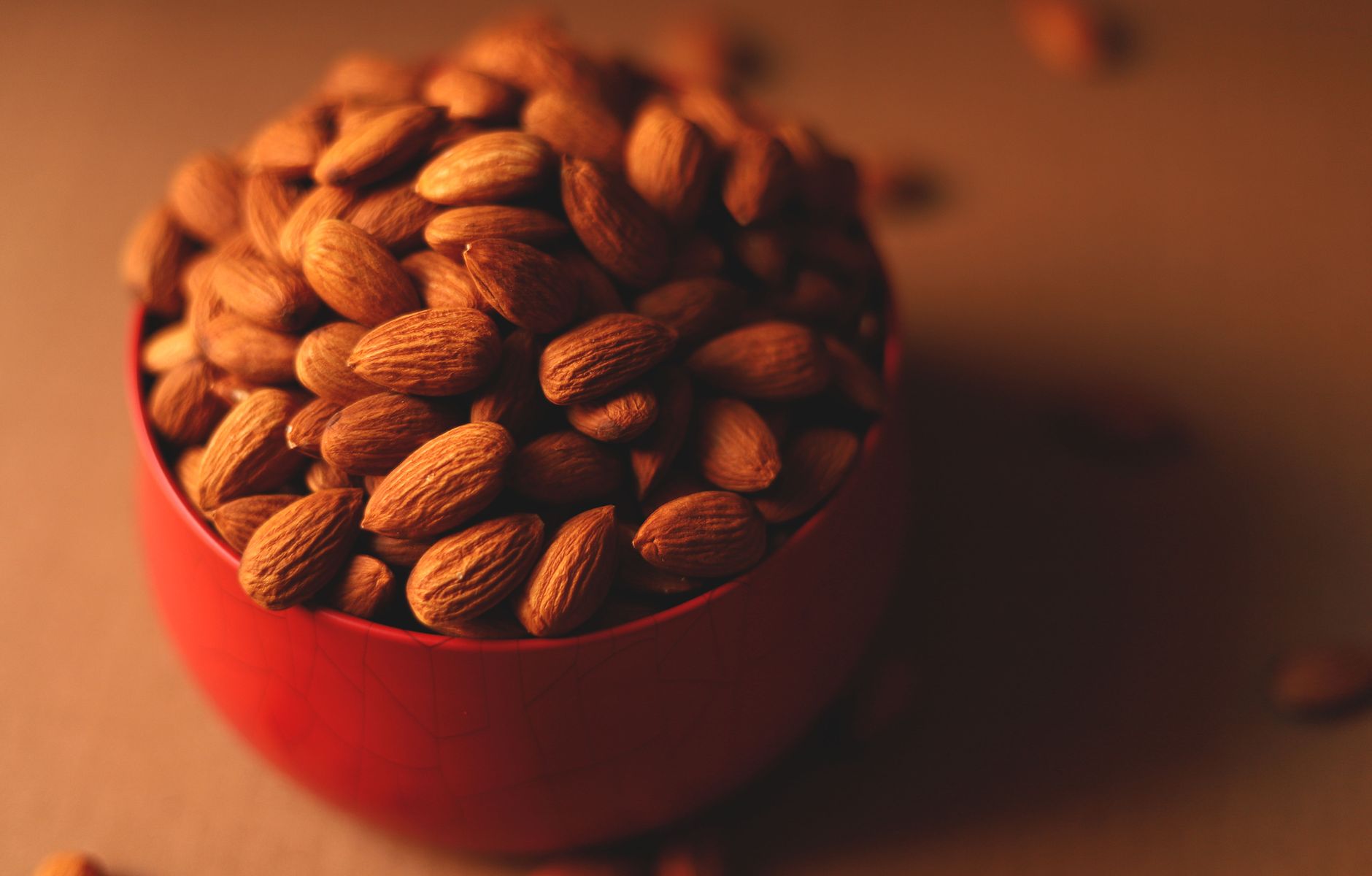
Almonds are a popular snack, known for their versatility and nutritional benefits. They are packed with essential nutrients like vitamin E, magnesium, and healthy fats. However, many people wonder how many almonds are optimal for consumption in a single day to achieve maximum health benefits without overindulging.
This article will explore the recommended daily intake of almonds, their health benefits, potential risks of overconsumption, and practical tips on how to incorporate them into your daily diet.
How Many Almonds Should I Eat in a Day?
The general recommendation for almond consumption is about 1 ounce or approximately 23 almonds per day. This serving size balances the health benefits while keeping calorie intake in check. Consuming a moderate amount can help you reap their nutritional rewards without straining your daily caloric needs.
Understanding the Nutritional Profile of Almonds
Almonds are nutrient-dense, meaning they provide a lot of nutrients relative to their calorie count. Here’s a brief overview of the important nutrients found in a 1-ounce serving (approximately 23 almonds):
- Calories: 160-170
- Protein: 6 grams
- Fat: 14 grams (of which about 9 grams are monounsaturated fats)
- Carbohydrates: 6 grams
- Fiber: 3.5 grams
- Vitamin E: 7.3 mg (37% of the Daily Value)
- Magnesium: 76 mg (19% of the Daily Value)
- Calcium: 76 mg (8% of the Daily Value)
This rich nutritional profile contributes to various health benefits, making almond a great addition to your daily diet.
Health Benefits of Almonds
Incorporating almonds into your diet can have several positive effects on overall health. Here are some notable benefits:
1. Heart Health
Almonds are high in monounsaturated fats, which are known to promote heart health by reducing bad cholesterol levels. They also contain antioxidants such as vitamin E, which help prevent oxidative stress and inflammation.
2. Weight Management
Despite being calorie-dense, almonds can help with weight management. The combination of fiber, protein, and healthy fats keeps you feeling full longer, reducing the likelihood of overeating. A small serving can satisfy cravings without leading to excessive calorie intake.
3. Blood Sugar Control
Almonds may help in regulating blood sugar levels. The fiber and healthy fats slow down glucose absorption, making them a suitable snack for individuals with diabetes or those looking to maintain steady energy levels.
4. Bone Health
The magnesium and calcium found in almonds are vital for bone health, contributing to bone density and overall strength.
5. Skin Health
Vitamin E, abundant in almonds, is known for its skin-nourishing properties. It helps maintain skin elasticity and can protect against UV damage.
Risks of Overconsumption
While almonds have numerous health benefits, overeating can lead to several concerns, including:
1. Excess Caloric Intake
Almonds are energy-dense; consuming them in large amounts could lead to unwanted weight gain if not balanced with physical activity.
2. Nutrient Imbalance
Relying too heavily on almonds for snacks may create an imbalance in your diet. It’s important to consume a variety of foods to meet your nutritional needs.
3. Allergies
Some individuals may be allergic to almonds, which can lead to severe allergic reactions. If you suspect a nut allergy, consult with a healthcare provider.
4. Digestive Issues
Eating too many almonds may cause digestive discomfort due to their high fiber content. Gradually increasing intake can help your system adjust.
How to Incorporate Almonds in Your Daily Diet
Integrating almonds into your meals and snacks is simple and delicious. Here are some practical ideas:
1. Morning Boost
Add chopped almonds to your morning oatmeal or yogurt for extra crunch and a burst of nutrition.
2. Healthy Snacking
Keep a small portion of almonds on hand for a quick and healthy snack. Pair with fruits for a balanced energy boost.
3. Salad Topper
Chop or slice almonds and sprinkle them over salads to enhance texture and flavor.
4. Baking Ingredient
Incorporate almond flour into your baking for a gluten-free alternative. Almond flour can be used in numerous recipes, including pancakes and muffins.
5. Almond Milk
Almond milk is a popular dairy alternative. You can make your own by blending soaked almonds with water, straining through cheesecloth, and adding sweeteners or flavors as desired.
Managing Portion Size Effectively
To stick to the recommended serving size of approximately 23 almonds, consider the following tips:
- Pre-Portion Snacks: Divide almonds into small snack-sized bags for convenience.
- Use a Scale: A kitchen scale can help you measure out a proper serving size accurately.
- Mindful Eating: When snacking, focus on the experience—taste and texture—to avoid overeating.
- Pair with Proteins: Combine almonds with other protein sources like Greek yogurt or cheese to create more filling snacks.
Common Mistakes to Avoid When Eating Almonds
Here are some pitfalls to avoid to ensure you are effectively incorporating almonds into your diet:
1. Not Considering Total Caloric Intake
While almonds are healthy, they still contribute to your total daily caloric intake. Always consider how they fit into your overall diet.
2. Snacking Mindlessly
It’s easy to overeat when snacking straight from the bag. Measure out your servings to maintain control.
3. Ignoring Quality
Opt for raw or dry-roasted almonds over those roasted in oil or coated with sugar for the healthiest options.
4. Avoiding Other Foods
Do not use almonds as a meal replacement. Ensure you have a well-rounded diet that includes various fruits, vegetables, proteins, and grains.
Conclusion
Almonds are a nutritious addition to a balanced diet, with the recommended daily serving size being around 1 ounce or 23 almonds. They offer numerous health benefits when consumed in moderation. By being mindful of portion sizes and incorporating them into diverse meals and snacks, you can enjoy their delicious flavor and significant health advantages.
For more ways to enjoy healthy snacks and ingredients, check out our Chia Pudding Recipe or our Almond Flour Bread Recipe.