
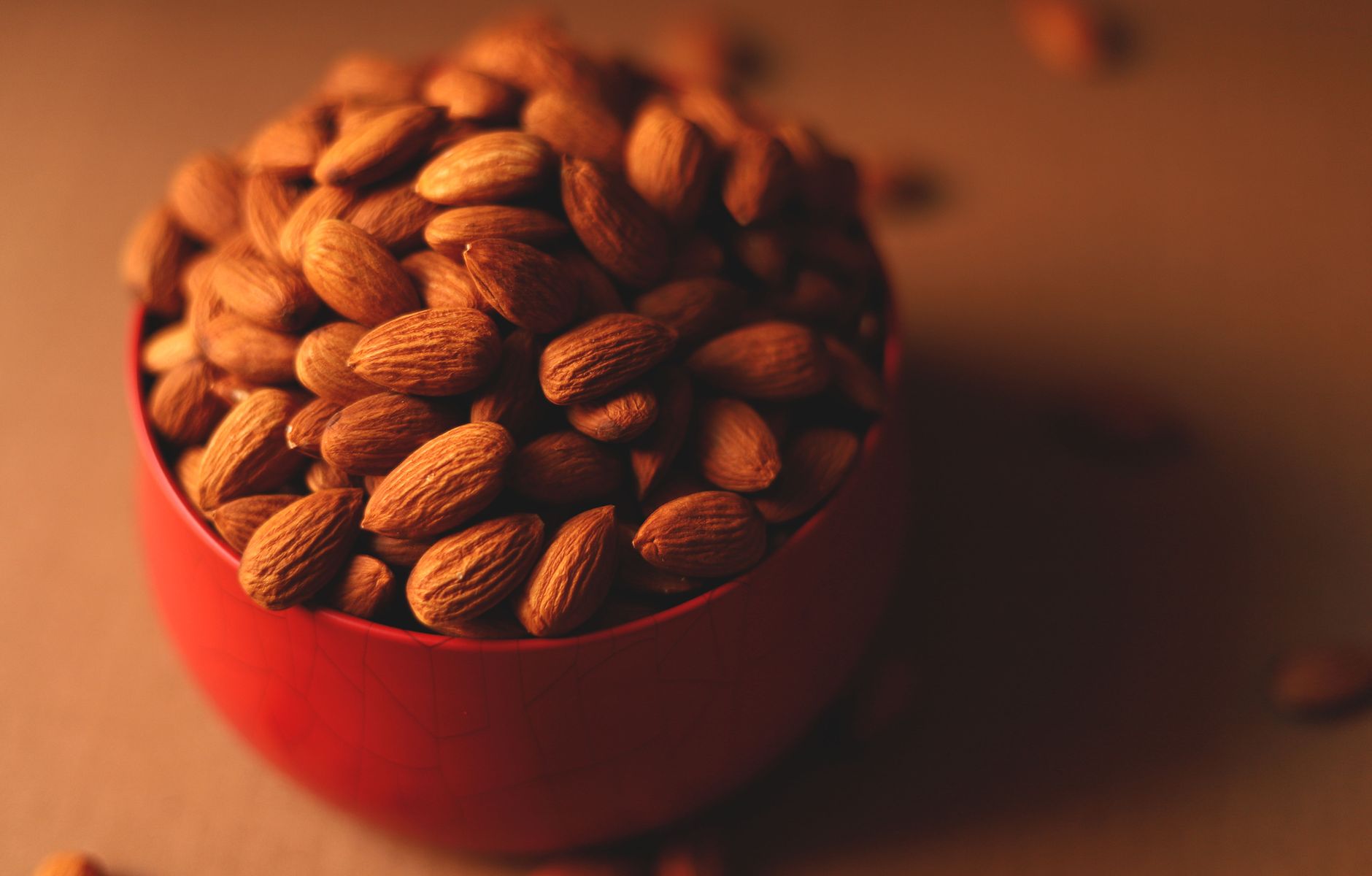
Almonds are a popular nut known for their nutritional benefits and versatility in cooking. Whether you enjoy them as a healthy snack, blended into almond milk, or in baked goods, it’s essential to understand how many almonds to consume each day for optimal health benefits. This article will explore the recommended daily intake of almonds, their nutritional profile, how to incorporate them into your diet, and the potential health benefits.
With various factors influencing daily almond consumption—from individual health goals to dietary preferences—it’s important to have a clear guideline. In this article, we’ll provide practical advice and suggestions for incorporating almonds into your daily routine.
How Many Almonds a Day?
The generally recommended daily intake of almonds is about 1 ounce, which equals approximately 23 almonds. This serving size provides a balance of healthy fats, protein, and essential nutrients, making it a convenient and nutritious snack option.
Nutritional Profile of Almonds
Almonds are nutrient-dense, offering a variety of vitamins and minerals that contribute to overall health. Here’s a breakdown of the nutritional content per 1 ounce (approximately 23 almonds):
| Nutrient | Amount |
|---|---|
| Calories | 160 |
| Protein | 6 grams |
| Fat | 14 grams |
| Saturated Fat | 1 gram |
| Carbohydrates | 6 grams |
| Fiber | 3.5 grams |
| Sugars | 1 gram |
| Vitamin E | 7.3 mg (37% DV) |
| Magnesium | 76 mg (19% DV) |
| Calcium | 76 mg (8% DV) |
Health Benefits of Almonds
Almonds offer several health benefits that make them a worthwhile addition to your diet:
- Heart Health: Almonds are high in monounsaturated fats, which can help reduce bad cholesterol levels and lower the risk of heart disease.
- Blood Sugar Control: The combination of healthy fats, fiber, and protein in almonds can help stabilize blood sugar levels.
- Weight Management: Including almonds in your diet can promote a feeling of fullness, which may aid in weight management.
- Skin Health: Almonds are rich in Vitamin E, a powerful antioxidant that helps protect the skin from oxidative damage.
- Bone Health: With minerals like calcium and magnesium, almonds support strong bone health.
How to Incorporate Almonds into Your Diet
Finding ways to add almonds to your meals can be enjoyable and simple. Here are some ideas for incorporating almonds into your daily routine:
1. As a Snack
One of the simplest ways to enjoy almonds is to have them as a snack. A handful of raw or roasted almonds can satisfy hunger between meals.
2. In Smoothies
Blend almonds into your morning smoothie for added creaminess and nutrition. Almond butter or almond milk can also be delicious additions.
3. In Salads
Chopped or sliced almonds can add a delightful crunch to salads. They pair well with green salads, grain-based salads, and fruit salads.
4. In Baking
Add almond flour to your baking recipes for flavor and texture. You can also toss in sliced almonds into muffins, cookies, or bread for an extra nutty bite.
5. As a Topping
Sprinkle chopped almonds onto yogurt, oatmeal, or cereal for added nutrients, flavor, and crunch.
Portion Control: Choosing the Right Amount
While the general recommendation is one ounce (about 23 almonds) per day, individual needs may vary based on dietary goals, physical activity levels, and overall health. Here are some considerations for customizing your almond intake:
1. Weight Management
If your goal is weight loss, sticking to 1 ounce per day is advisable, as almonds are calorie-dense. Monitoring portion sizes can help control calorie intake while still benefiting from their nutrients.
2. Training and Activity Level
If you are physically active or looking to build muscle, you may benefit from increasing your almond intake slightly. However, it’s still important to pay attention to overall calorie balance.
3. Dietary Restrictions
For those with allergies or sensitivities, it’s crucial to avoid almonds and seek out substitutes that provide similar nutritional benefits, such as sunflower seeds or pumpkin seeds.
Common Mistakes and How to Avoid Them
When incorporating almonds into your diet, there are a few common mistakes to be aware of:
1. Overeating
It’s easy to overdo it with nuts, as their small size can lead to unconscious snacking. Stick to the recommended portion size to optimize health benefits.
2. Choosing Unsweetened Varieties
When opting for almond-based products like almond milk or almond butter, choose unsweetened options to avoid unnecessary added sugars.
3. Not Considering Quality
Opt for raw or lightly roasted nuts rather than heavily processed versions with added oils or preservatives. Check labels to ensure the quality of the almonds.
Storing Almonds Properly
To maintain freshness and flavor, proper storage of almonds is essential:
- Room Temperature: Store almonds in a cool, dry place in an airtight container for short-term use.
- Refrigeration: Refrigerating in an airtight container can extend shelf life up to six months.
- Freezing: For long-term storage, freeze almonds in an airtight bag or container for up to a year.
Almonds and Special Diets
Almonds fit well into various dietary preferences, including:
1. Vegan and Vegetarian
Almonds are an excellent protein source for those following plant-based diets, offering essential amino acids, healthy fats, and various micronutrients.
2. Gluten-Free
Being naturally gluten-free, almonds make a nutritious replacement for flour in gluten-free recipes. Almond flour is a popular alternative for baking.
3. Keto-Friendly
Due to their low carbohydrate content and high fat, almonds are suitable for the ketogenic diet and can be part of meals and snacks.
Conclusion
Incorporating almonds into your daily diet can fuel your body with essential nutrients while satisfying your taste buds. A typical serving of 1 ounce, or about 23 almonds, is a balanced choice that supports health and wellness. By paying attention to portion size and storage, you can create a healthy and enjoyable routine centered around this versatile nut.
Explore related recipes and tips to enhance your culinary journey. Try the chia pudding recipe or delve into making almond flour bread with this almond flour bread recipe. Happy cooking!