
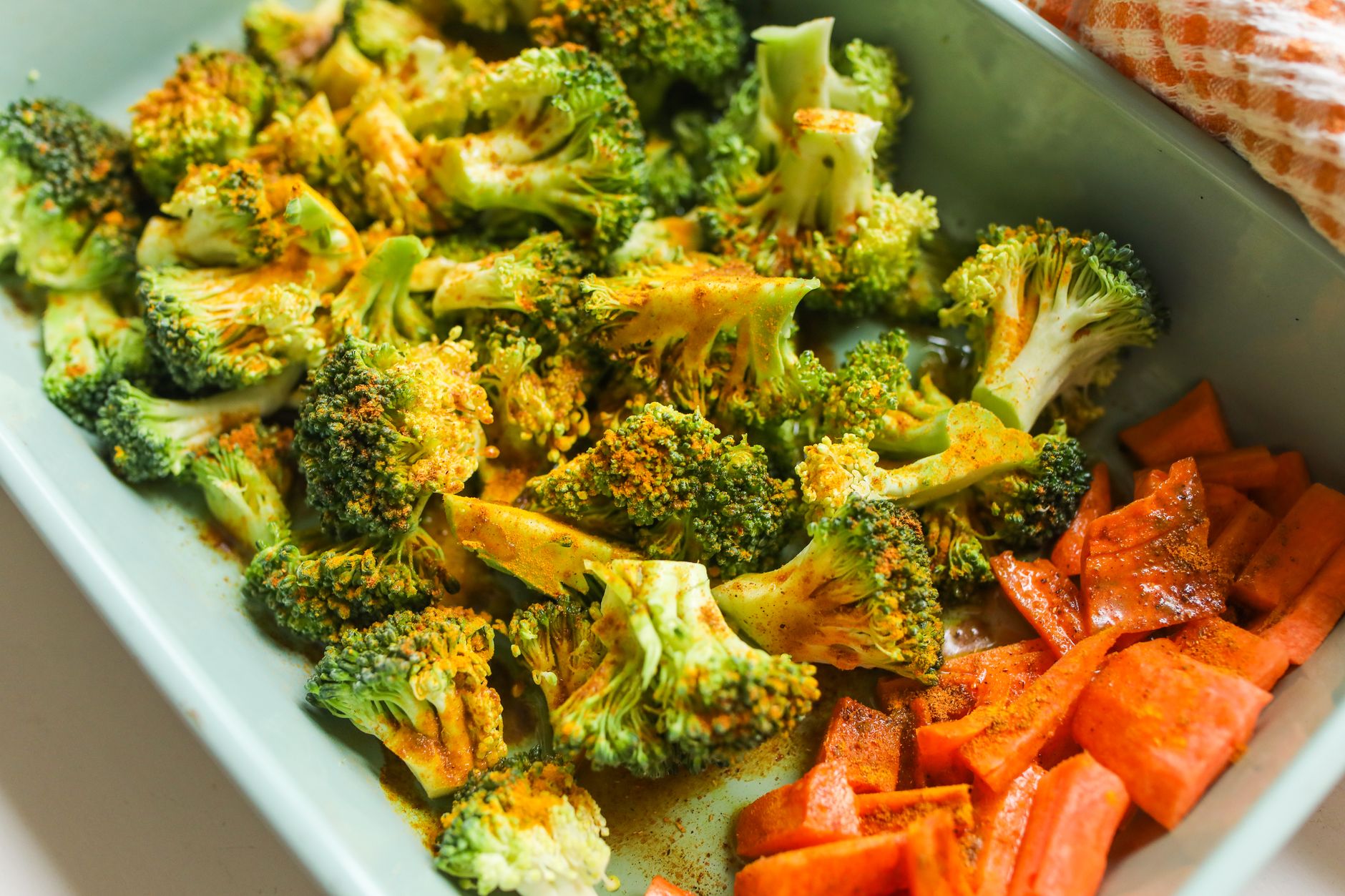
Roasting broccoli at 350°F is a simple yet effective method to enhance its natural sweetness and flavor. The high heat caramelizes the edges of the florets, giving them a beautiful crispness while maintaining tenderness in the stem. This cooking technique transforms broccoli into a delicious side dish that pairs perfectly with various meals.
Whether you are looking for a quick weeknight dinner solution or preparing for a festive occasion, knowing how long to roast broccoli at 350°F will help you achieve the perfect texture and taste. In this guide, we’ll explore essential details on roasting broccoli, including timing, techniques, and tips for achieving optimal doneness.
How Long To Roast Broccoli At 350?
Roasting broccoli at 350°F typically takes about 20 to 25 minutes. The key to achieving the desired doneness is to check the florets periodically for browning and tenderness. At this temperature, you want to ensure they become tender but not overly mushy.
The Benefits of Roasting Broccoli
Roasting broccoli is not only simple but also enhances its flavor and texture. Here are a few reasons to enjoy this cooking method:
- Flavor Enhancement: Roasting brings out the natural sweetness, allowing the flavors to develop without overwhelming seasonings.
- Crispy Texture: The high heat creates a delicious crispy exterior while keeping the inside tender.
- Health Benefits: Broccoli is a powerhouse of nutrients, including vitamins C, K, and fiber, making it a nourishing choice for any meal.
Essential Equipment for Roasting Broccoli
To perfectly roast broccoli, you will need a few basic items:
- Baking Sheet: A sturdy baking sheet allows for even roasting.
- Parchment Paper (optional): Lining the baking sheet can prevent sticking and simplify cleanup.
- Mixing Bowl: To toss the broccoli with seasonings before roasting.
- Measuring Spoons: For measuring oil and seasonings accurately.
Ingredient List for Roasted Broccoli
To make roasted broccoli, you need the following ingredients:
- 1 pound fresh broccoli florets, trimmed and cut into bite-sized pieces
- 2 tablespoons olive oil
- 1 teaspoon salt (to taste)
- 1/2 teaspoon black pepper (to taste)
- Optional: 1 teaspoon garlic powder, red pepper flakes, or lemon zest for additional flavor
Step-by-Step Guide to Roasting Broccoli
Follow these steps to achieve perfectly roasted broccoli:
- Preheat Your Oven: Preheat your oven to 350°F (175°C) to allow for even cooking.
- Prepare the Broccoli: Wash the broccoli thoroughly and trim the ends. Cut them into roughly equal-sized florets to ensure uniform cooking.
- Toss with Oil and Seasonings: In a mixing bowl, combine the broccoli florets with olive oil, salt, and pepper. If using optional seasonings, add them as well. Toss until evenly coated.
- Spread on Baking Sheet: Transfer the broccoli onto a Baking sheet, spreading them out in a single layer to ensure proper roasting.
- Roast: Place the baking sheet in the preheated oven and roast for 20 to 25 minutes. Stir halfway through for even cooking.
- Check Doneness: The broccoli should be tender and crisp with a golden-brown appearance. You can use a fork or knife to test for tenderness.
- Serve: Once done, remove the broccoli from the oven, and serve it hot. You can add a squeeze of lemon juice for extra brightness if desired.
Tips for Perfectly Roasted Broccoli
Achieving the ideal roast can sometimes be tricky, so here are a few extra tips:
- Stay Consistent with Size: Ensure all florets are cut to similar sizes for even cooking.
- Avoid Overcrowding: If roasting a large batch, consider using two baking sheets to prevent crowding, which can lead to steaming instead of roasting.
- Use Fresh Broccoli: Fresh broccoli will yield better flavor and texture compared to older or frozen versions.
- Experiment with Flavors: Try adding various spices or roasted nuts to customize the dish to your taste.
Common Mistakes When Roasting Broccoli
Even a straightforward technique can lead to errors. Here are common mistakes to avoid:
- Not Preheating the Oven: Make sure your oven is fully preheated to ensure consistent cooking.
- Using Cold Oil: Cold oil can lead to uneven roasting. Always add oil to broccoli at room temperature.
- Ignoring Grill vs. Bake Settings: If your oven has a fan, adjust accordingly, as it can impact cooking time and doneness.
Variations of Roasted Broccoli
Roasted broccoli can be versatile based on your preferences or what you have on hand. Here are some variations:
- Cheesy Roasted Broccoli: Add shredded Parmesan or a cheese blend during the last 5 minutes of roasting for a gooey finish.
- Sesame Roasted Broccoli: Drizzle with sesame oil and sprinkle toasted sesame seeds before roasting to enhance the Asian-inspired flavors.
- Spicy Roasted Broccoli: Toss in red pepper flakes or cayenne pepper for a spicy kick.
Storage and Reheating Tips
If you have leftovers from your roasted broccoli, proper storage can help maintain quality. Here are guidelines for storage and reheating:
- Storage: Allow roasted broccoli to cool completely before transferring to an airtight container. Store in the refrigerator for up to 3 days.
- Reheating: To reheat, place the broccoli on a baking sheet and warm in a preheated oven at 350°F for about 5 to 10 minutes. This helps retain crispiness.
Serving Suggestions
Roasted broccoli pairs well with various dishes. Consider these serving suggestions:
- As a Side Dish: Serve alongside roasted chicken, grilled steak, or baked fish for a balanced meal.
- In Salads: Add cooled roasted broccoli to salads for a warm touch—perfect with quinoa or mixed greens.
- With Pasta: Toss roasted broccoli into pasta dishes with olive oil, garlic, or a light cream sauce for an added veggie boost.
Conclusion
Roasting broccoli at 350°F is an accessible technique that enhances the vegetable’s flavor and texture while making a nutritious addition to any meal. With this guide, you are equipped with the knowledge to enjoy perfectly roasted broccoli every time. Whether you are serving it as a side or including it in a bigger dish, the process is straightforward and allows for creativity in seasonings and pairings.
To explore more cooking techniques, check out our guides on how to cook fresh green beans and how to steam artichokes.