
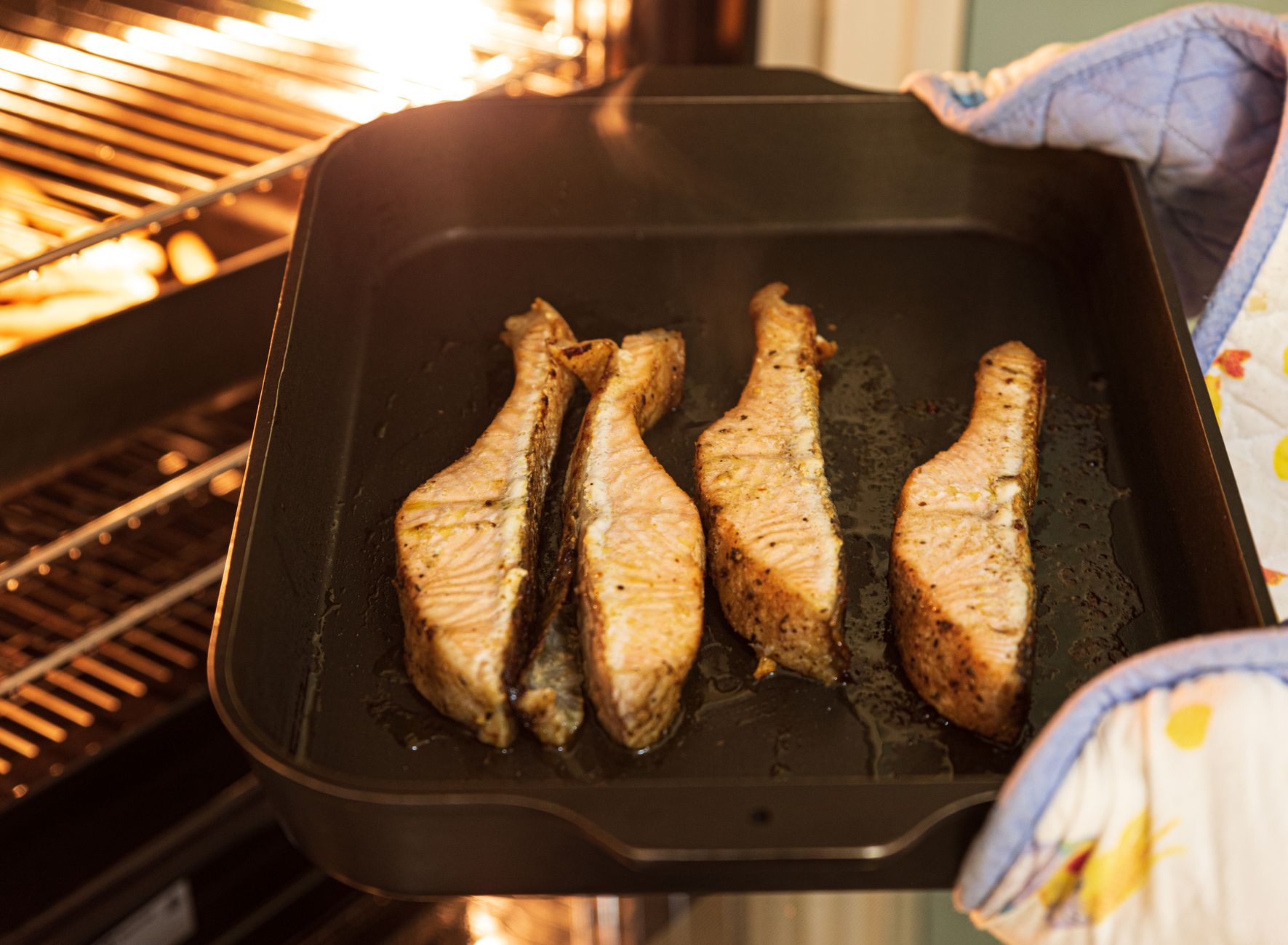
Cooking salmon is a delicious and nutritious way to include seafood in your meals. At 400°F, salmon cooks quickly, ensuring a tender, flaky texture that features a buttery, rich flavor. This crispy-skinned fish can easily become a weeknight staple or a special occasion dish.
In this guide, we will dive into the details of cooking salmon at 400°F, exploring timing, techniques, and tips to ensure your salmon is perfectly cooked every time. Whether you’re planning an elegant dinner or meal prepping for the week, understanding these factors will help you achieve great results.
How Long to Cook Salmon on 400?
Cooking salmon at 400°F typically takes between 12 to 20 minutes, depending on the thickness of the fillet. For standard center-cut fillets, around 15 minutes is a common timeframe. Monitoring the internal temperature is key to ensuring doneness, aiming for 145°F.
Choosing the Right Salmon
Before we get into cooking techniques, it’s important to select the right salmon. The cooking time can vary not only with the thickness but also with the type of salmon you choose.
- Types of Salmon: Options include Atlantic, Sockeye, Coho, and King salmon. Atlantic salmon is often farmed, while Sockeye and Coho are typically wild-caught.
- Fresh vs. Frozen: Fresh salmon offers the best flavor and texture but frozen can be just as good if properly thawed. Make sure to defrost it in the refrigerator overnight, rather than quick-thawing in water.
- Quality Matters: Look for bright, moist fillets with a pleasant ocean smell. Avoid any that appear dull or have a strong fishy odor.
Cooking Techniques for Salmon at 400°F
Cooking salmon at 400°F can be done using various methods such as baking, grilling, or pan-searing. Let’s focus on the most popular methods.
Baking Salmon
Baking is one of the simplest and most effective methods for cooking salmon, resulting in moist and flavorful fish with minimal effort.
Equipment Needed:
- Oven
- Baking sheet or casserole dish
- Parchment paper or foil (optional for easier cleanup)
- Meat thermometer
Method:
- Preheat your oven to 400°F (200°C).
- Line a baking sheet with parchment paper or foil if desired.
- Place the salmon fillet skin-side down on the prepared baking sheet.
- Season the salmon with salt, pepper, and any additional herbs or spices you like.
- Bake for 12-20 minutes depending on the thickness. Use a meat thermometer to check for an internal temperature of 145°F.
- Let the salmon rest for a few minutes before serving.
Grilling Salmon
Grilling salmon can impart a wonderful smoky flavor and crispy skin, making it a great summer cooking option.
Equipment Needed:
- Grill (gas or charcoal)
- Grill basket or aluminum foil (optional)
- Meat thermometer
Method:
- Preheat your grill to medium-high heat, around 400°F.
- Pat the salmon dry with paper towels to ensure proper searing.
- Season the salmon as desired.
- If using a grill basket, place the fish skin-side down. If not using, oil the grill grates to prevent sticking.
- Grill for about 6-10 minutes per side, depending on thickness. Flip carefully, and check for an internal temperature of 145°F.
- Remove from the grill and let rest before serving.
Pan-Seared Salmon
For a quick, flavorful meal, pan-searing salmon is a fantastic option. It produces crispy skin and a moist center.
Equipment Needed:
- Stove
- Skillet (preferably cast iron or non-stick)
- Spatula
- Meat thermometer
Method:
- Heat a skillet over medium-high heat and add a tablespoon of oil.
- Season the salmon fillet as desired.
- Place the salmon skin-side down in the hot skillet.
- Cook for about 6-7 minutes without moving, to allow the skin to crisp.
- Carefully flip the salmon and cook for an additional 4-6 minutes, or until the internal temperature reaches 145°F.
- Let rest before serving.
Tips for Perfectly Cooked Salmon
To ensure your salmon turns out perfectly every time, consider the following tips:
- Use a Meat Thermometer: This is the most reliable way to check for doneness.
- Let it Come to Room Temperature: Allow salmon to sit at room temperature for about 15-30 minutes before cooking. This helps it cook evenly.
- Skin On vs. Skin Off: Cooking with skin helps keep the fillet moist and flavorful. It can be left on during cooking and removed easily after, if preferred.
- Don’t Overcook: Keep a close eye on your salmon to prevent it from drying out. It will continue to cook after being removed from the heat due to residual heat.
- Flavor Variations: Try different marinades or seasonings like lemon juice, garlic, herbs, or spices to change the flavor profile.
Common Mistakes to Avoid
Here are some frequent pitfalls to be aware of when cooking salmon:
- Cooking from Frozen: Always thaw your salmon properly overnight in the fridge for best results.
- Skipping Seasoning: Salmon benefits from seasoning. Use salt and pepper at the very least.
- Ignoring Cooking Temperature: Ensure your oven or grill is fully preheated before cooking.
- Checking Doneness Too Early: If you check too soon and keep opening the oven or grill, it may lose heat and cook unevenly.
Serving Suggestions
Salmon is versatile and can be served with various sides. Here are a few ideas:
- Vegetables: Serve alongside roasted, steamed, or grilled vegetables like asparagus, zucchini, or broccoli.
- Grains: Pair with quinoa, rice, or couscous for a complete meal.
- Salad: A refreshing green salad or a hearty grain salad can complement salmon beautifully.
- Flavor Enhancers: Consider topping your cooked salmon with a squeeze of lemon, fresh herbs, or a sauce like dill sauce or teriyaki.
Storage and Reheating Salmon
Proper storing techniques can help maintain the quality of your salmon.
- Refrigeration: Store any leftover cooked salmon in an airtight container in the fridge for up to three days.
- Freezing: Cooked salmon can be frozen for up to three months. Ensure it is wrapped tightly to prevent freezer burn.
- Reheating: Reheat salmon in the oven at a low temperature (around 300°F) until warmed through to avoid drying it out.
Frequently Asked Questions About Cooking Salmon
How do you know when salmon is done?
The best way to check if salmon is done is to use a meat thermometer. It should read 145°F at the thickest part. Alternatively, the flesh should be opaque and flake easily with a fork.
Can I cook salmon with the skin on?
Yes, cooking salmon with the skin on helps keep the fillet moist and adds flavor. You can easily remove the skin after cooking if you prefer.
What’s the best way to season salmon?
Simple seasoning of salt and pepper can enhance the flavor, but feel free to add herbs, spices, citrus, or marinades for additional flavor. Garlic, lemon, and dill are common and delicious pairings.
Variations and Substitutions
Salmon is quite adaptable. Here are some variations and possible ingredient substitutions:
- Fish Substitutions: Other fish like trout, cod, or tilapia can be used, but their cooking times may vary.
- Cooking Fuels: If you don’t have a standard oven, consider using a toaster oven, air fryer, or even sous vide techniques at similar temperatures.
- Flavor Enhancements: For a Thai twist, try using coconut milk and lemongrass. For an Italian approach, use basil and tomatoes.
Understanding the specific timing and techniques for cooking salmon at 400°F can greatly enhance your culinary experience. By following the steps and tips outlined in this guide, you can achieve delicious, restaurant-quality salmon dishes at home tailored to your preferences and occasions.
Explore our related content on how to perfectly cook turkey or bake chicken legs for more delicious meal ideas.