
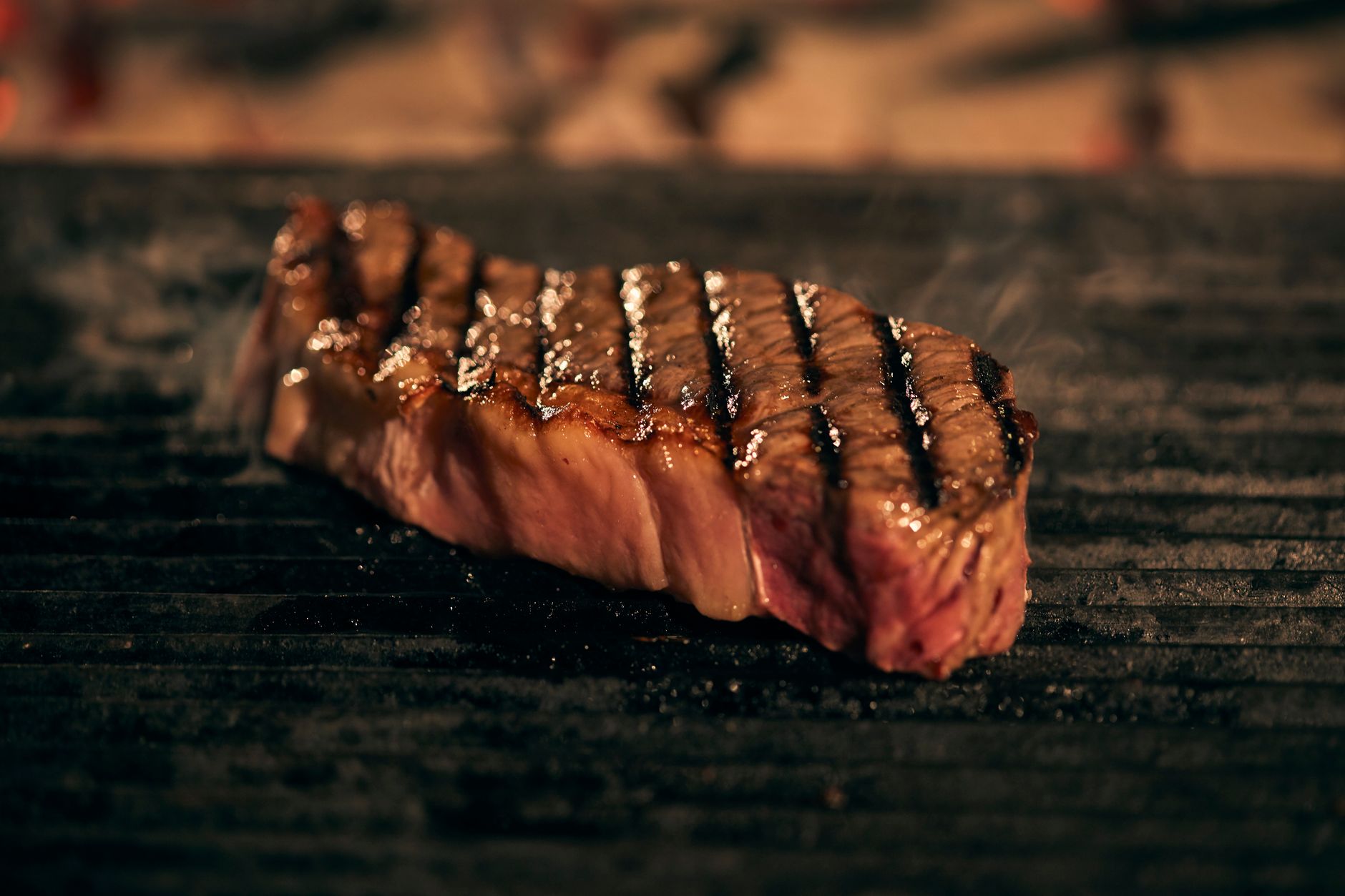
When it comes to cooking a perfect ribeye steak, understanding the right cooking times and methods is essential. A well-cooked ribeye can offer incredible flavor and tenderness, but the cooking process requires attention to detail to achieve your desired doneness.
This guide will walk you through the ideal cooking times for ribeye steaks at various levels of doneness, recommended techniques, and tips for checking doneness, ensuring you can produce a steak that meets your expectations every time.
How Long to Cook Ribeye?
The cooking time for ribeye steaks varies based on thickness and desired doneness. Generally, for a 1-inch thick ribeye steak, you should cook it for about 4-6 minutes per side for medium-rare on a grill. If you’re cooking it indoors on the stovetop or in the oven, the times might differ slightly based on your cooking method.
Understanding Ribeye Steak
Ribeye steak, cut from the rib section of the cow, is known for its rich marbling and intense beef flavor. The fat within the ribeye melts during cooking, enhancing the steak’s juiciness and flavor profile. Its tenderness and flavor make it a favorite among steak lovers.
Choosing the Right Ribeye
- Marbling: Look for steaks with good marbling, as this fat will render during cooking, keeping the meat moist.
- Color: A bright red color generally indicates freshness, while avoid steaks that appear dull or brownish.
- Thickness: For even cooking, choose steaks that are at least 1 inch thick.
Cooking Methods for Ribeye Steaks
There are several effective methods to cook ribeye steaks, each yielding delicious results based on personal preference. Below are the most common techniques.
Grilling
Grilling is one of the most popular ways to prepare ribeye steaks, as it creates a beautifully charred exterior while keeping the interior tender and juicy.
Grilling Steps:
- Preheat your grill to high heat (around 450-500°F).
- Season your ribeye with salt and pepper or your favorite marinade.
- Place the steak on the grill and close the lid.
- Cook for 4-6 minutes per side for medium-rare; adjust time for different desired doneness.
- Remove from the grill and let rest for 5-10 minutes before slicing.
Pan-Seering
Using a skillet on the stovetop is a great way to cook ribeye steaks, giving them a nice crust.
Pan-Seering Steps:
- Heat a cast-iron skillet over medium-high heat and add a tablespoon of oil with a high smoke point.
- Season the ribeye well.
- Add the steak to the pan and sear for 4-5 minutes without moving it to develop a crust.
- Flip the steak and cook for another 4-5 minutes.
- For even cooking, you can also baste with butter and aromatics (like garlic and thyme) during the last minute.
- Allow the steak to rest before serving.
Oven Method
For a more controlled cooking environment, searing your steak before finishing it in the oven can ensure a consistent doneness.
Oven Method Steps:
- Preheat your oven to 400°F.
- Heat a skillet over medium-high heat on the stovetop and sear the steak for 2-3 minutes per side until browned.
- Transfer the skillet to the preheated oven and cook for an additional 5-10 minutes based on the desired doneness.
- Let it rest for at least five minutes before slicing.
Doneness Levels and Cooking Times
Accurately determining the doneness of your ribeye is critical for achieving perfect results. Below are common levels of doneness along with their corresponding internal temperatures and cooking times for a 1-inch thick steak.
| Doneness Level | Internal Temperature (°F) | Cooking Time (approx. per side) |
|---|---|---|
| Rare | 120-125 | 2-3 minutes |
| Medium-Rare | 130-135 | 4-5 minutes |
| Medium | 140-145 | 6-7 minutes |
| Medium-Well | 150-155 | 8-9 minutes |
| Well Done | 160+ | 10+ minutes |
Using a Meat Thermometer
The best way to check for doneness is to use a meat thermometer. Insert the thermometer into the thickest part of the steak and ensure that it does not touch bone or fat for an accurate reading.
Tips for Cooking Ribeye Steaks
Cooking ribeye steaks can be straightforward, yet there are always tips that can enhance your success and enjoyment.
- Bring to Room Temperature: Allow the steak to sit at room temperature for about 30 minutes before cooking; this helps to ensure even cooking.
- Resting: Always let your steak rest after cooking for at least 5-10 minutes for the juices to redistribute, ensuring a juicy bite.
- Seasoning: Simple seasoning with salt and pepper enhances the steak’s flavor without overpowering it. For additional flavor, consider using garlic, rosemary, or other herbs during cooking.
- Avoid Flipping Often: Allow the steak to develop a nice crust before flipping; flipping too much can lead to a dry texture.
Common Mistakes to Avoid
To ensure your ribeye steak turns out perfectly, consider these common mistakes to avoid:
- Not letting the steak rest before slicing, which can cause the juices to escape and result in a drier steak.
- Overcooking the steak, which can render it tough and less flavorful. Use a meat thermometer to check for the right doneness.
- Failing to properly season the steak before cooking, which can sacrifice flavor.
- Using a low heat that cooks the steak too slowly, making it challenging to achieve a nice crust.
Serving Suggestions
Ribeye steaks pair well with a variety of sides that complement their rich flavor:
- Vegetable Sides: Grilled asparagus, sautéed spinach, or roasted Brussels sprouts make excellent accompaniments.
- Starches: Consider serving with mashed potatoes, baked potatoes, or creamy polenta.
- Salads: A fresh garden salad or Caesar salad can balance the meal.
- Wine Pairing: A bold red wine, such as Cabernet Sauvignon or Malbec, pairs beautifully with ribeye.
Make-Ahead and Storage Tips
If you plan to enjoy ribeye at a later date, here are some tips for storage and reheating:
Make-Ahead
For meal prep, cooked ribeye can be stored in the refrigerator for up to 3-4 days. Allow the steak to cool before wrapping it tightly in plastic wrap or aluminum foil.
Reheating
When it comes to reheating ribeye, aim to do so gently to maintain tenderness:
- Preheat your oven to 250°F.
- Place the ribeye on a baking sheet and warm in the oven for 10-15 minutes, or until heated through.
- Alternatively, you can reheat in a skillet over low heat for 5-7 minutes, flipping often.
Conclusion
Cooking the perfect ribeye steak requires attention to timing, technique, and your preferred doneness level. With the right method and a few essential tips, you can enjoy a juicy and flavorful ribeye steak at home. Whether grilling, pan-searing, or roasting, ribeye is sure to deliver a satisfying meal.
To continue your culinary adventures, consider trying a delicious T-bone steak recipe or a savory Delmonico steak recipe. Explore these delicious options for your next meal!