
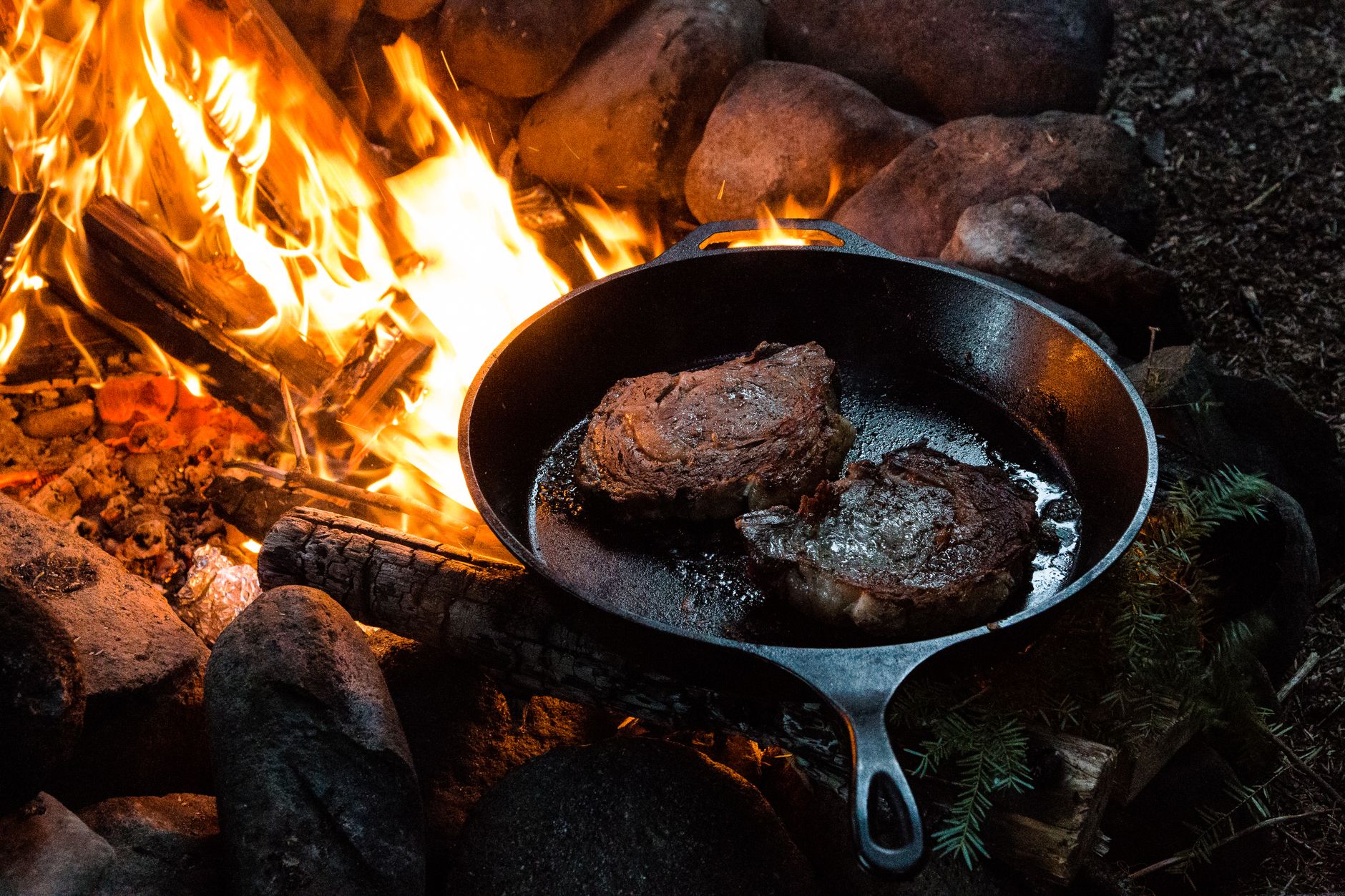
Cooking a ribeye steak in a cast iron skillet is a fantastic way to achieve a delicious crust while keeping the inside juicy and flavorful. The key to a perfect ribeye lies in understanding the right cooking time based on your desired level of doneness, along with effective techniques to maximize the flavor and texture.
This guide will cover everything you need to know about how long to cook ribeye in a cast iron skillet, including cooking times, recommended methods, and tips for achieving the best results.
How Long to Cook Ribeye in Cast Iron?
The cooking time for a ribeye in a cast iron skillet depends primarily on the thickness of the steak and the desired level of doneness. Typically, for a 1-inch thick ribeye, cooking on medium-high heat will take about 4-5 minutes per side for medium-rare doneness. Adjust the time slightly based on your desired level of doneness and the thickness of the steak.
The Perfect Ribeye: Characteristics and Cooking Methods
Ribeye steak, known for its rich marbling, tenderness, and robust flavor, is an excellent choice for steak lovers. Its fat content adds a juicy texture and enhances the taste as it cooks. When cooked properly, it yields a crunchy exterior with a succulent interior. The key methods for cooking ribeye include pan-searing, grilling, or broiling, but pan-searing in a cast iron skillet yields exceptional flavor and a perfect sear.
Understanding Doneness Levels
Here’s a quick overview of doneness levels for ribeye steak and their corresponding internal temperatures:
- Rare: 120-130°F (49-54°C) – Cool red center
- Medium Rare: 130-135°F (54-57°C) – Warm red center
- Medium: 135-145°F (57-63°C) – Warm pink center
- Medium Well: 145-155°F (63-68°C) – Slightly pink center
- Well Done: 155°F+ (68°C+) – Little or no pink
Preparation: Ingredient Checklist
To make the most of your ribeye steak, you’ll need the following ingredients and tools:
- Ribeye Steak: 1-inch or thicker, ideally at room temperature
- Salt: Coarse kosher salt or sea salt for seasoning
- Pepper: Freshly ground black pepper
- Cooking Oil: High smoke point oil (e.g., vegetable oil, canola oil, or grapeseed oil)
- Cast Iron Skillet: For even cooking and perfect sear
- Tongs: For flipping the steak
- Meat Thermometer: To ensure precise doneness
Steps to Cook Ribeye in a Cast Iron Skillet
Follow these detailed steps for a flavorful ribeye steak:
- Prep Your Steak:
Remove your ribeye steak from the refrigerator and let it sit at room temperature for about 30 minutes before cooking. This helps it cook evenly. Season both sides generously with coarse salt and freshly ground black pepper. - Heat the Skillet:
Place the cast iron skillet on medium-high heat and add a tablespoon of oil. Let the oil heat until it starts shimmering but not smoking. You want the skillet hot enough to create a sear. - Sear the Ribeye:
Lay the ribeye in the skillet away from you to avoid splatter. Let it cook undisturbed for about 4-5 minutes. Avoid flipping it too soon to develop a good crust. - Flip the Steak:
After the first side has a nice sear, use tongs to flip the steak. Cook the other side for about 3-4 minutes for medium-rare. Adjust the time based on desired doneness. - Check for Doneness:
Use a meat thermometer to check the internal temperature. Remember to check in the thickest part of the steak without touching the bone or gristle. Remove the steak when it is 5°F below the desired doneness temperature. - Rest Your Steak:
Transfer the ribeye to a plate and cover it with aluminum foil loosely. Let it rest for 5-10 minutes to allow the juices to redistribute for a tender result. - Serve:
Slice against the grain and enjoy with your favorite sides or sauces.
Cooking Times Based on Thickness and Doneness
Cooking times for ribeye will vary based on the thickness of the steak and the desired doneness. Here’s a quick reference table for a 1-inch thick ribeye steak:
| Doneness | Cooking Time (Minutes per Side) | Target Internal Temperature (°F) |
|---|---|---|
| Rare | 2-3 | 120-130 |
| Medium Rare | 4-5 | 130-135 |
| Medium | 5-6 | 135-145 |
| Medium Well | 6-7 | 145-155 |
| Well Done | 7-9 | 155+ |
Common Mistakes When Cooking Ribeye
Steak cooking can be an art, and several common mistakes can prevent you from achieving the perfect ribeye. Here are pitfalls to avoid:
- Skipping the Resting Period: Allowing the steak to rest is crucial. Cutting into it before resting can lead to a juice puddle on your plate.
- Not Using Enough Salt: Adequate seasoning is vital. Don’t skip seasoning or be shy with salt for a flavorful crust.
- Crowding the Pan: Cooking multiple steaks too close together can lower the pan temperature, resulting in steaming rather than a sear. Cook one steak at a time if necessary.
- Ignoring Doneness: Always use a meat thermometer. Relying solely on cooking times can lead to underdone or overdone steak.
Flavor Enhancements: Add-Ins and Variations
While seasoning with salt and pepper is classic, here are a few ideas to enhance the flavor of your ribeye steak:
- Garlic: Add crushed garlic cloves to the oil while searing to infuse flavor.
- Fresh Herbs: Thyme, rosemary, or oregano can be added during cooking for a fresh aroma.
- Butter Basting: In the final minutes of cooking, add butter to the pan and baste the steak for added richness.
- Spices: Experiment with dry rubs or flavored salts for added complexity.
Serving Suggestions
After cooking, consider pairing your ribeye with delightful sides to elevate your meal.
- Grilled vegetables, such as asparagus or zucchini
- Classic garlic mashed potatoes or creamy coleslaw
- Steamed broccoli or sautéed spinach for a healthy contrast
- A fresh salad with a tangy vinaigrette
Storage and Reheating
If you have leftover ribeye, store it properly to maintain its flavor and safety:
- Let the steak cool completely before storing.
- Wrap it tightly in plastic wrap, then place it in an airtight container or a resealable plastic bag.
- Refrigerate and consume within 3 to 4 days.
To reheat, preheat your oven to 250°F (120°C). Place the steak on a baking sheet and heat until warmed through, about 20-30 minutes. Alternatively, use a skillet over low heat to rewarm.
Final Thoughts
Cooking ribeye in a cast iron skillet is a simple yet rewarding experience that can yield delicious and satisfying results. Mastering the timing and the prep can make all the difference in your steak outcomes. Enjoy the tender, juicy bites of perfectly cooked ribeye. With practice and these guidelines, you can create a delicious steak dinner right at home.
If you’re looking for more ways to enjoy steak, consider exploring our Baked Steak Recipe or spice it up with our Prime Rib Rub Recipe for an elevated flavor profile.