
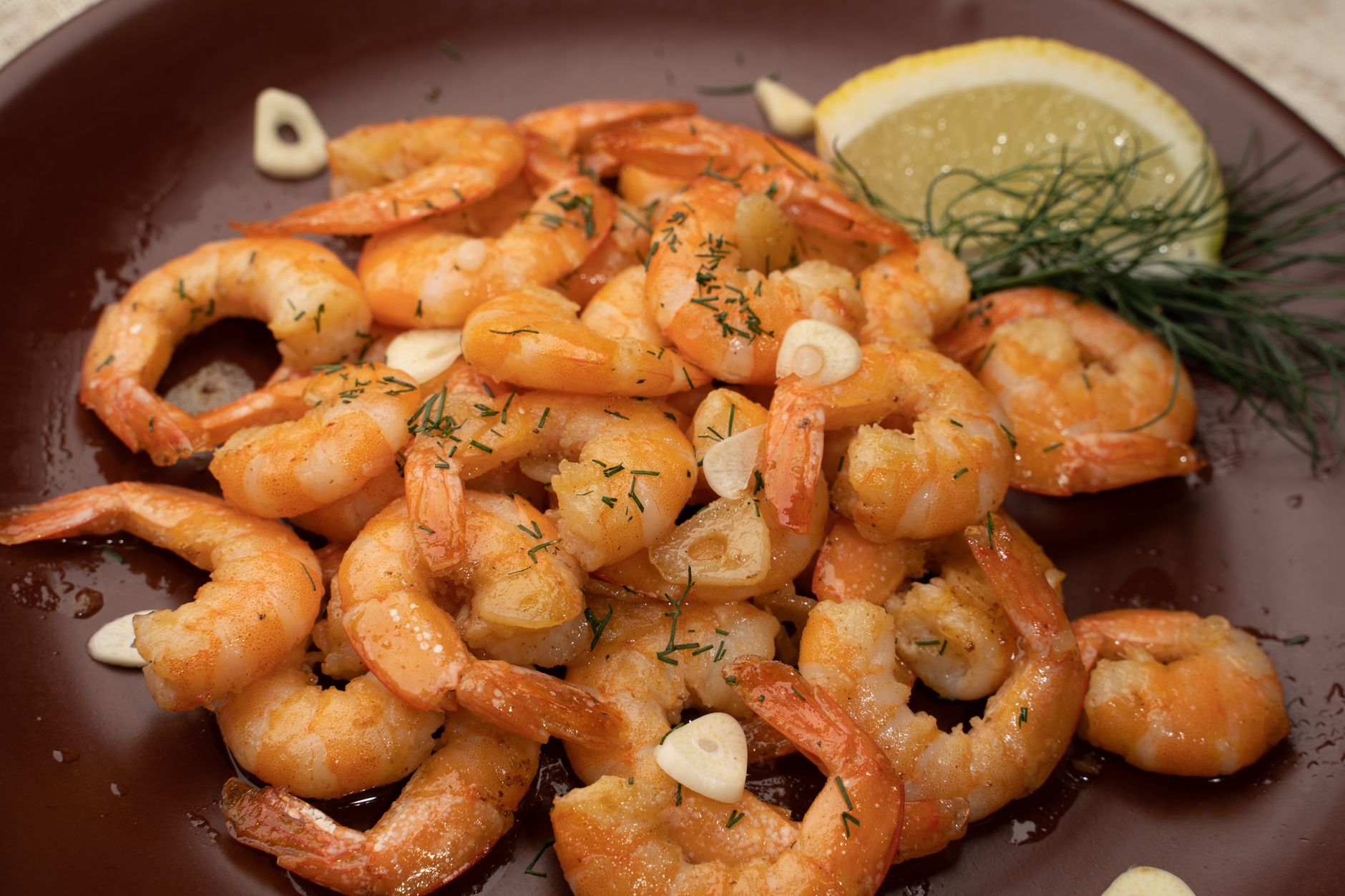
Cooking raw shrimp in lime juice is a technique often associated with the preparation of ceviche. This method utilizes the acidity of lime juice to “cook” the shrimp without traditional heat. The transformation is fascinating and showcases a fresh and zesty dish that is perfect for warm weather meals or as a delightful appetizer.
In this article, we will explore exactly how long to cook raw shrimp in lime juice, the ideal temperatures for preparation, and tips for achieving the best flavor and texture. Whether you’re planning a summer gathering or simply want to impress at dinner, understanding this technique will set you on the path to enjoying this delicious dish.
How Long to Cook Raw Shrimp in Lime Juice?
The time it takes to cook raw shrimp in lime juice varies depending on the size of the shrimp. Generally, shrimp will “cook” in lime juice within 15 to 30 minutes. Smaller shrimp will take less time, while larger varieties may need a bit longer. The key is to monitor them closely for visual cues.
Understanding the Cooking Process
The cooking process with lime juice is a form of denaturation. The acidity in lime juice alters the structure of proteins in shrimp, leading to a firm texture and opaque appearance similar to what occurs with traditional cooking. Unlike heat, lime juice does not kill bacteria, hence using fresh, high-quality shrimp is essential for food safety.
Choosing the Right Shrimp
When it comes to making ceviche or cooking shrimp in lime juice, selecting the appropriate shrimp is crucial. Here are the types to consider:
- Fresh Shrimp: When available, always opt for fresh shrimp for the best flavor and texture.
- Frozen Shrimp: If fresh shrimp isn’t available, frozen shrimp can also be effective. Ensure they are thawed completely before use.
- Sized Shrimp: Typically, smaller shrimp (like 41-50 count) are used for ceviche, but larger shrimp can be used depending on personal preference.
Ingredients for Lime-Cooked Shrimp
To make lime-cooked shrimp, gather the following ingredients:
- 1 pound raw shrimp (peeled and deveined)
- 1/2 cup fresh lime juice (about 4-5 limes)
- 1/4 cup finely chopped cilantro
- 1 small red onion (finely chopped)
- 1-2 jalapeño peppers (seeded and finely chopped, adjust based on spice preference)
- Salt to taste
- Black pepper to taste
Essential Equipment
To prepare lime-cooked shrimp, you will need:
- A mixing bowl
- A cutting board
- A sharp knife
- A measuring cup
- Plastic wrap or an airtight container
Step-by-Step Method for Cooking Shrimp in Lime Juice
- Prep the Shrimp: Start by peeling and deveining the shrimp if they are not prepped. Rinse them under cold water and pat dry with paper towels.
- Chop the Ingredients: Finely chop the red onion, cilantro, and jalapeños. These will add flavor and texture to your dish.
- Combine in a Bowl: In a large mixing bowl, combine the raw shrimp, lime juice, chopped cilantro, onion, and jalapeño. Make sure the shrimp are fully submerged in the lime juice.
- Marinate: Cover the bowl with plastic wrap or transfer the mixture to an airtight container. Place it in the refrigerator. Let the shrimp marinate for 15 to 30 minutes. Check periodically; they should turn opaque and firm when “cooked.”
- Season: Once the shrimp are cooked, season with salt and black pepper to taste. Adjust according to your preference.
- Serve: Serve the lime-cooked shrimp chilled, along with tortilla chips, in tacos, or atop a fresh salad.
Visual Cues for Doneness
When cooking shrimp in lime juice, monitoring their transformation is vital. Look for these visual cues to determine doneness:
- Color Change: The shrimp will transition from a translucent grey to a pinkish opaque color.
- Firmness: The shrimp should feel slightly firm to the touch, indicating that the proteins have been sufficiently altered by the lime juice.
Common Mistakes to Avoid
A few common mistakes can hinder your lime-cooked shrimp:
- Using Low-Quality Shrimp: Always select the freshest shrimp to enhance flavor and safety.
- Too Much Time in Lime Juice: Allowing shrimp to sit too long can lead to overcooking, resulting in a rubbery texture.
- Insufficient Acid: Not enough lime juice affects the cooking process. Ensure the shrimp are fully submerged.
Serving Suggestions
Lime-cooked shrimp can be served in various perfect ways:
- Ceviche Style: Serve with tortilla chips for dipping.
- Tacos: Fill corn tortillas with lime-cooked shrimp, cilantro, and mango salsa for a refreshing meal.
- Salads: Toss lime-cooked shrimp with fresh greens, avocado, and a light vinaigrette.
Make-Ahead and Food Storage
Lime-cooked shrimp is best enjoyed fresh, but you can prepare it a few hours ahead of serving. Store in the refrigerator in an airtight container for up to 24 hours. The lime juice will continue to “cook” the shrimp, so for the best texture, consume it within this timeframe.
Practical Substitutions
If you do not have all the ingredients on hand, consider these substitutions:
- Lime Juice: Lemon juice can be used as a substitute, though it will impart a different flavor profile.
- Cilantro: If you’re not a fan of cilantro, parsley or green onions can offer a fresh alternative.
- Jalapeños: If needing less heat, try using bell peppers or omitting spicy ingredients altogether.
Understanding Food Safety
When working with raw seafood, it is essential to prioritize food safety. Here are a few tips:
- Ensure shrimp are purchased from a reputable source and stored at safe temperatures.
- Keep all kitchen surfaces clean, especially when handling raw seafood, to minimize the risk of cross-contamination.
- If not consumed immediately, store the lime-cooked shrimp in a chilled environment and consume within 24 hours.
Final Thoughts
Lime-cooked shrimp is a refreshing and delicious dish that pays homage to fresh flavors and textures. By mastering this technique, you can impress your guests or simply enjoy a light meal bursting with zest. Remember to keep an eye on the shrimp as they marinate in lime juice to ensure the best results.
For a delightful twist, try incorporating lime-cooked shrimp into your next dish. Explore more with recipes like creamy coconut shrimp or craft a unique shrimp sauce to complement your creations. Always be adventurous in the kitchen, and enjoy the process of creating delicious meals!