
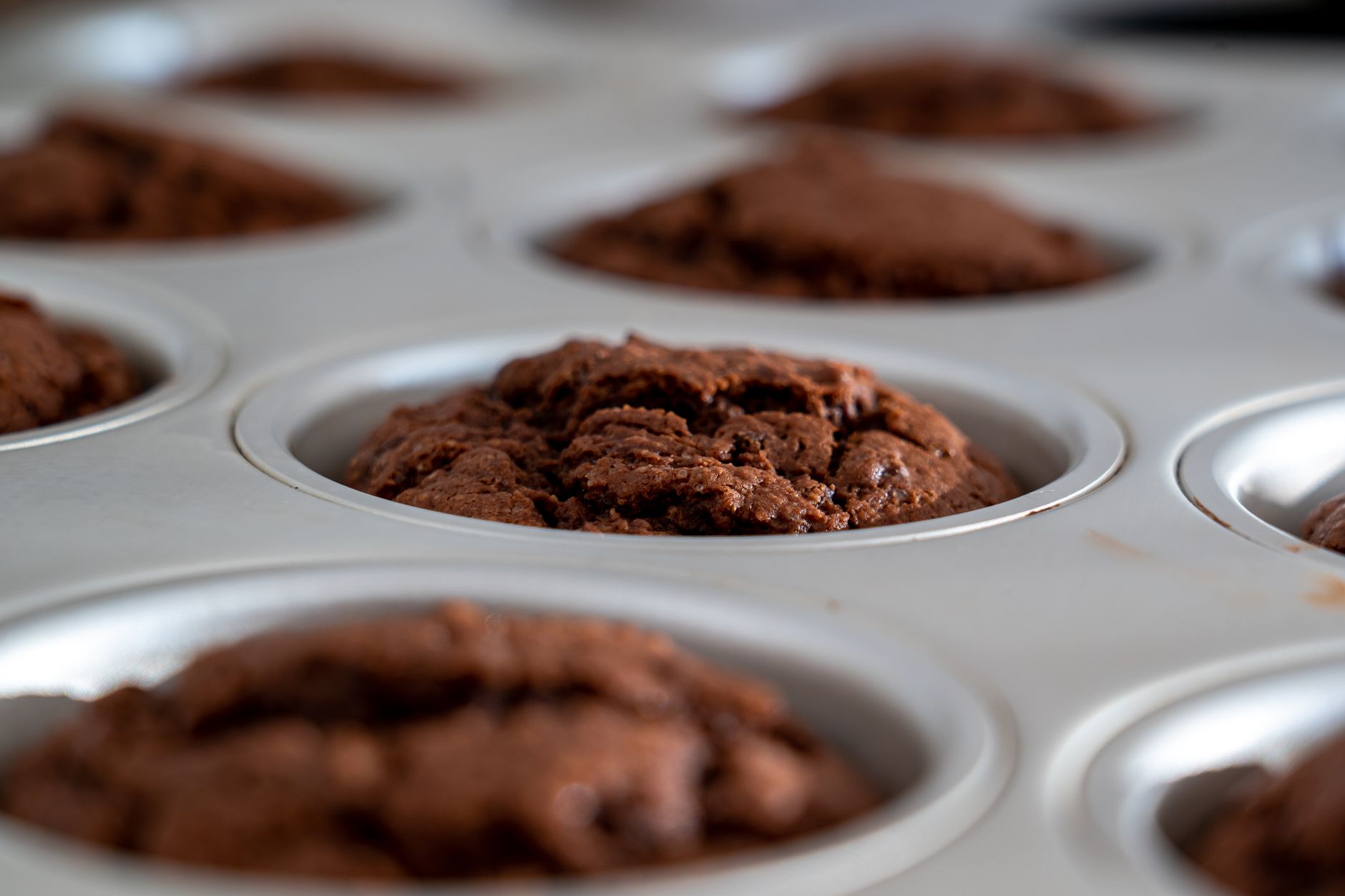
Egg muffins have become a popular breakfast choice because they are easy to prepare, customizable, and full of flavor. They can be made ahead of time, stored in the fridge or freezer, and reheated for a convenient meal that’s both nutritious and delicious. But how long do you actually need to cook these tasty morsels?
Cooking egg muffins perfectly requires understanding the right timing and temperature. In this guide, we’ll provide you with a comprehensive overview of how long to cook egg muffins, including tips on preparation, cooking methods, and timing for various variations of the dish. Let’s dive in!
How Long to Cook Egg Muffins?
Egg muffins typically take about 18 to 22 minutes to cook in the oven at 350°F (175°C). However, the exact cooking time may vary depending on the size of the muffin cups, the ingredients used, and the individual oven. It’s essential to check for doneness to ensure they are perfectly cooked.
Understanding Egg Muffins
Egg muffins, also known as egg bites, are essentially mini frittatas made with beaten eggs and various fillings such as vegetables, cheese, and meats. They have a light, fluffy texture and can be tailored to suit personal tastes, making them a versatile choice for any meal of the day.
- Flavor: Egg muffins can range from savory to slightly sweet, depending on the ingredients used. Common additions include spinach, bell peppers, onions, ham, bacon, and cheese.
- Texture: The muffins have a moist, tender texture that is delightful. Overcooking can lead to a dry or rubbery consistency, so monitoring the cooking time is crucial.
- Why Make Egg Muffins? They’re perfect for meal prep, quick breakfasts, or snacks and can accommodate various dietary preferences, including vegetarian and gluten-free options.
Basic Egg Muffin Recipe
Before delving into cooking times, it’s essential to have a basic recipe at hand. Here’s what you need to know.
Ingredients
- 6 large eggs
- 1/2 cup milk (or non-dairy alternative)
- 1 cup diced vegetables (bell peppers, spinach, onions, etc.)
- 1 cup shredded cheese (cheddar, mozzarella, etc.)
- 1/2 cup cooked and crumbled sausage or bacon (optional)
- Salt and pepper to taste
Essential Equipment
- Muffin tin (standard or silicone)
- Mixing bowl
- Whisk
- Measuring cups and spoons
- Oven
Instructions
- Preheat the oven to 350°F (175°C).
- In a mixing bowl, whisk the eggs and milk together until well combined. Season with salt and pepper.
- Add the diced vegetables, shredded cheese, and any cooked meats. Stir until evenly distributed.
- Lightly grease the muffin tin with cooking spray or oil. You can also use silicone muffin cups, which don’t require greasing.
- Pour the egg mixture into each muffin cup, filling them about two-thirds full.
- Bake in the preheated oven for 18 to 22 minutes, or until the eggs are set and lightly golden on top.
- Remove from the oven and let cool for a few minutes before gently removing the muffins from the tin.
- Serve warm or let cool completely before storing.
Timing and Temperature Considerations
The cooking time for egg muffins can vary based on several factors:
Muffin Tin Size
If you use a standard muffin tin, expect cooking times closer to the recommended 18 to 22 minutes. However, if you use mini muffin tins, cooking times will decrease significantly—typically around 10 to 15 minutes. Conversely, larger muffin tins may require additional time.
Ingredient Types
Ingredients such as meats or dense veggies (like potatoes) may require longer cooking times to ensure everything is cooked through. Conversely, lighter ingredients like spinach or diced tomatoes will not add extra cooking time.
Oven Calibration
Every oven is a bit different, and it’s wise to check your oven’s accuracy. If you suspect your oven runs hot, check your muffins a few minutes early to avoid overcooking.
Common Mistakes and Troubleshooting
Even simple recipes can come with their own pitfalls. Let’s look at some common mistakes to avoid when making egg muffins.
- Overfilling the Muffin Cups: If you fill the cups all the way, the mixture may overflow while baking, resulting in a mess. Aim to fill each cup two-thirds full.
- Underseasoning: Eggs can be bland without seasoning. Ensure you add enough salt and pepper, or consider incorporating herbs and spices for added flavor.
- Not Checking for Doneness: If you’re unsure about cooking time, insert a toothpick into the center of a muffin. If it comes out clean, they are done; if it has wet egg mixture on it, give them more time.
- Cooking at Too High a Temperature: Always stick to the recommended temperature. Higher heat can cause the muffins to brown on the outside while remaining undercooked inside.
Storage and Reheating Instructions
One of the great advantages of egg muffins is their excellent storage capabilities. Here’s how to store and reheat them effectively:
Storage
- Allow cooked muffins to cool completely before storing.
- Place them in an airtight container and store in the refrigerator for up to 5 days.
- For longer storage, place them in a freezer-safe container or freezer bag, separating layers with parchment paper, and freeze for up to 2 months.
Reheating
- Microwave: Reheat muffins in the microwave on a microwave-safe plate for about 30-60 seconds, or until heated through.
- Oven: For reheating in the oven, preheat to 350°F (175°C) and place muffins on a baking sheet for about 10-15 minutes, or until warm.
Variations and Customizations
Egg muffins are incredibly versatile, allowing for a range of variations based on personal preference or dietary needs.
Vegetarian Egg Muffins
- Omit meats and focus on colorful vegetables like zucchini, mushrooms, and bell peppers. Consider adding nutritional yeast for a cheesy flavor without dairy.
Low-Carb Egg Muffins
- Incorporate ingredients like spinach and cheese and avoid starchy vegetables. Adding cooked sausage or bacon can enhance flavor without the carbs.
Gluten-Free Egg Muffins
- All ingredients in egg muffins are naturally gluten-free, but always check labels on processed foods like sausage or cheese to ensure they are gluten-free.
Sweet Egg Muffins
- For a different take, consider adding ingredients like banana, oats, and a touch of cinnamon. These muffins can be a delightful breakfast or dessert option.
Meal Planning with Egg Muffins
Egg muffins are a fantastic option for meal planning, as they can be made in batches and customized for the week ahead. Here are some tips for incorporating them into your meal prep routine:
- Plan a designated day for meal prepping, perhaps a Sunday.
- Schedule time to chop vegetables and gather ingredients to streamline the cooking process.
- Make a variety of flavors so you won’t get bored throughout the week.
- Consider pairing egg muffins with sides like fresh fruit or whole-grain toast for a balanced meal.
By following these tips, you can simplify your mornings and ensure you have nutritious meals ready to go.
Conclusion
Egg muffins are a delicious and practical way to enjoy a wholesome meal any time of day. With a cooking time of 18 to 22 minutes at 350°F (175°C), they offer convenience without sacrificing flavor or nutrition. Experiment with various ingredients, stay mindful of timing, and they will soon become a staple in your kitchen.
For more recipes and cooking tips, explore our Starbucks Egg White Bites Recipe or try out our Sausage Quiche Recipe for similar easy and savory options!