
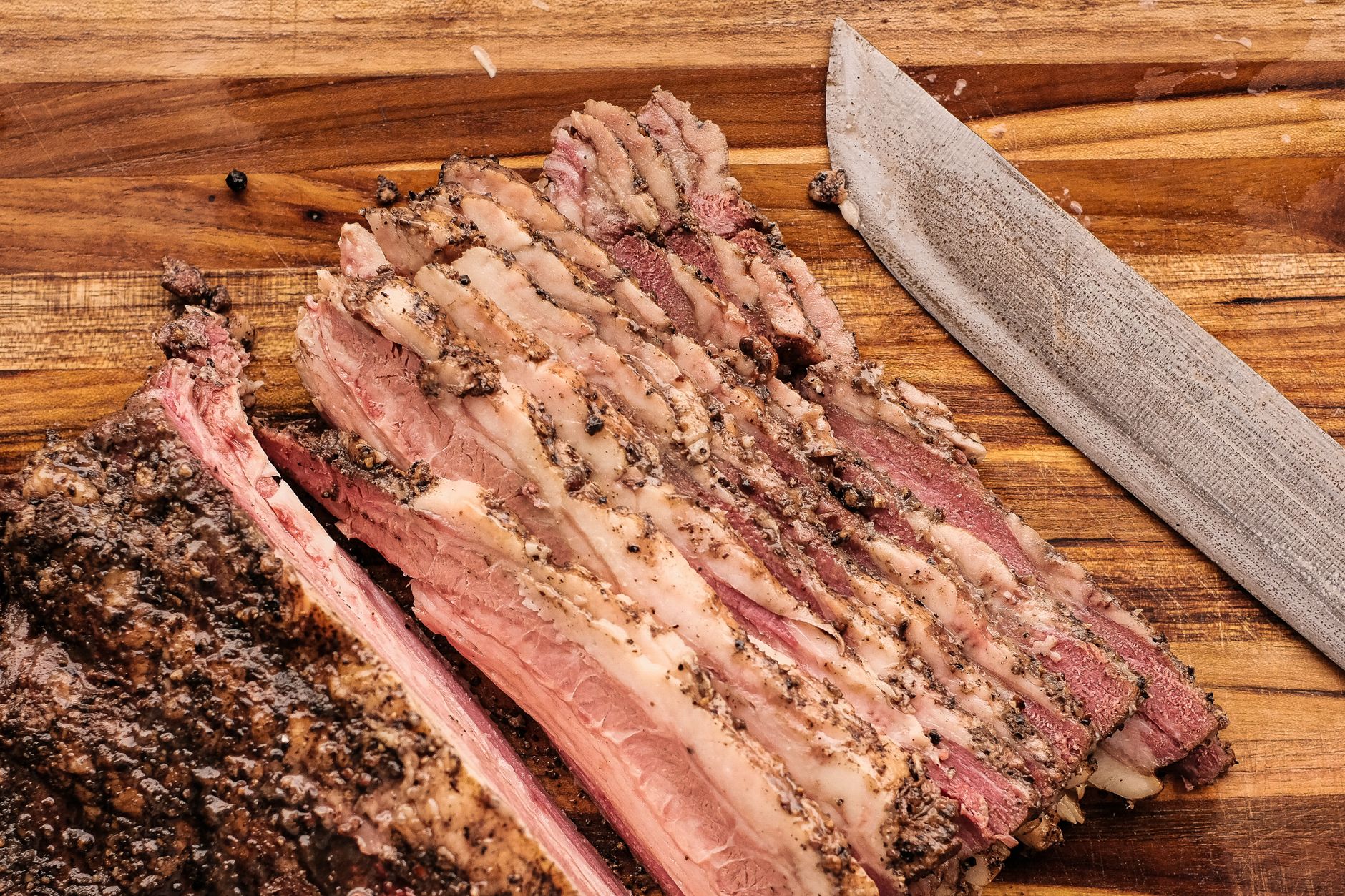
Brisket is a cut of meat that has gained a well-deserved reputation, particularly in barbecue culture. Its rich flavor, tenderness, and unique texture when properly cooked can delight fans and novices alike. However, cooking brisket can be a challenge, especially when it comes to timing and technique.
One common question that arises is about the cooking time after wrapping the brisket, especially at a consistent temperature of 225°F. This article provides a deep dive into how long to cook brisket after wrapping at this temperature, along with tips, techniques, and the science behind achieving that ideal, melt-in-your-mouth tenderness.
How Long to Cook Brisket After Wrapping at 225?
After wrapping your brisket, you should cook it for approximately 1 to 1.5 hours per pound at 225°F. However, this timing can vary due to different factors such as the brisket’s thickness, the quality of the meat, and your specific cooking setup. The goal is to reach an internal temperature of around 200°F to 205°F for optimal tenderness.
Understanding Brisket and Its Cooking Method
Brisket is a tough cut of meat derived from the breast or lower chest of cattle. It contains a rich marbling of fat that, when slow-cooked, renders down and infuses the meat with flavor. There are two main muscles in the brisket: the flat, which is leaner, and the point, which has more fat and is more flavorful.
When cooking brisket, many pitmasters recommend using a low-and-slow method. Wrapping the brisket during cooking is important as it helps retain moisture and allows the meat to cook more evenly. Wrapping is usually done after the brisket has developed a good bark and color, which typically happens in the first 4 to 6 hours of cooking.
Preparation Before Cooking
Before diving into the cooking process, there are several important preparation steps that can dramatically affect the final outcome of your brisket.
Selecting the Right Brisket
- Choose a brisket with good marbling, ideally an USDA Choice or Prime grade. Look for a layer of fat on one side, which will add flavor and moisture during the cooking process.
- Consider the size of the brisket. A whole packer brisket will typically weigh between 10 to 20 pounds, but ensure enough room in your smoker or oven.
Seasoning Your Brisket
Seasoning your brisket is key to building flavor. A simple rub of salt and black pepper (commonly referred to as the “Texas rub”) works wonders. However, feel free to experiment with additional spices and flavors:
- Smoked paprika for a hint of smokiness.
- Garlic powder and onion powder for depth.
- Brown sugar for a touch of sweetness and caramelization.
The Cooking Process
Once you have your brisket selected and seasoned, it’s time to cook. Here’s a comprehensive guide to the cooking process, focusing on the timing after wrapping.
Steps to Cook Brisket
- Preheat the Smoker or Oven: Set your smoker or oven to maintain a steady temperature of 225°F.
- Prepare Your Brisket: Allow the brisket to come to room temperature for 30-60 minutes before placing it in the smoker or oven.
- Initial Cooking: Place the brisket in the smoker or oven unwrapped and let it cook for about 4 to 6 hours, or until it reaches an internal temperature of around 160°F. During this time, a bark will form on the exterior.
- Wrap the Brisket: Once the desired temperature is reached, remove the brisket and wrap it tightly in butcher paper or aluminum foil. Wrapping will keep it moist and help it cook evenly.
- Resume Cooking: Return the wrapped brisket to the smoker or oven. Now, cook it for an additional 1 to 1.5 hours per pound.
- Check for Doneness: The brisket is done when it reaches an internal temperature of 200°F to 205°F. This temperature range is crucial for breaking down the collagen and fat within the cut.
- Resting: Allow the brisket to rest for at least 30 minutes before slicing. This allows the juices to redistribute throughout the meat.
Visual Cues and Thermometer Guidance
Relying on time alone can be deceptive. Instead, use visual and thermal cues to assess the doneness of your brisket:
- Check for a rich, dark bark: A well-cooked brisket will exhibit a beautifully dark crust.
- Employ an instant-read thermometer to confirm temperatures, ideally measuring it in the thickest part of the brisket. Remember to avoid touching the bone, as it can lead to inaccurate readings.
Common Mistakes to Avoid
Cooking a perfect brisket can be an art, and there are several common pitfalls to watch out for:
- Rushing the Process: Brisket is all about low and slow. Avoid increasing the temperature to speed up cooking, as this can lead to tough meat.
- Neglecting to Wrap: Wrapping during the cooking process preserves moisture and assists in heat distribution. Neglecting this step can lead to dry brisket.
- Moving the Meat Too Much: Avoid opening your smoker or oven door excessively, as this can lower the temperature and extend cooking time.
Substitutions and Variations
While the traditional method of cooking brisket is beloved, you may want to experiment with different approaches.
Different Wrapping Options
- Butcher Paper: Provides better airflow than foil and maintains moisture while still allowing the bark to develop.
- Aluminum Foil: Creates a tighter seal, resulting in a more moist brisket but can sometimes lead to a softer bark.
Cooking Variations
If you’re looking for variations in flavor, consider the following:
- Marinate your brisket overnight in a mixture of spices, broth, and vinegar for added flavor depth.
- Incorporate wood chips like hickory or oak during smoking for distinct smoky notes.
Serving Suggestions
After investing time and effort in cooking a brisket, it’s essential to serve it well. Here are some popular serving options:
- Slice against the grain when serving to promote tenderness.
- Pair with traditional sides like coleslaw, baked beans, or cornbread.
- Use leftover brisket for delicious sandwiches, tacos, or in a hearty chili.
Storage and Reheating Guidance
Leftover brisket can be stored properly for further enjoyment:
Storage
- Wrap leftover brisket tightly in plastic wrap or foil and refrigerate. It will stay fresh for up to four days.
- If freezing, wrap the brisket in several layers, sealing well to avoid freezer burn. It can last for up to three months in the freezer.
Reheating
When reheating brisket, do so gently to prevent drying out:
- Wrap in foil and heat in a 300°F oven until warmed through.
- Consider adding a splash of beef broth to help retain moisture during reheating.
Experiments and Perfecting Your Technique
If you’re looking to perfect your brisket technique, consider experimenting with different temperatures and times. Keeping a cooking journal can be incredibly beneficial in tracking what works best for you.
As you refine your method, remember that every brisket is unique, influenced by its size, cut, and even the specific characteristics of your cooking equipment.
Whether you’re preparing brisket for a gathering, a special occasion, or a simple family meal, understanding the nuances of cooking time after wrapping at 225°F can enhance your cooking skills and improve your results.
Perfecting brisket takes time, but with patience and practice, you too can master this delicious cut of meat.
Explore related recipes and tips to enhance your cooking journey. Check out how to cook ribs wrapped in foil in the oven at this link and learn about smoking chicken thighs at this link.