
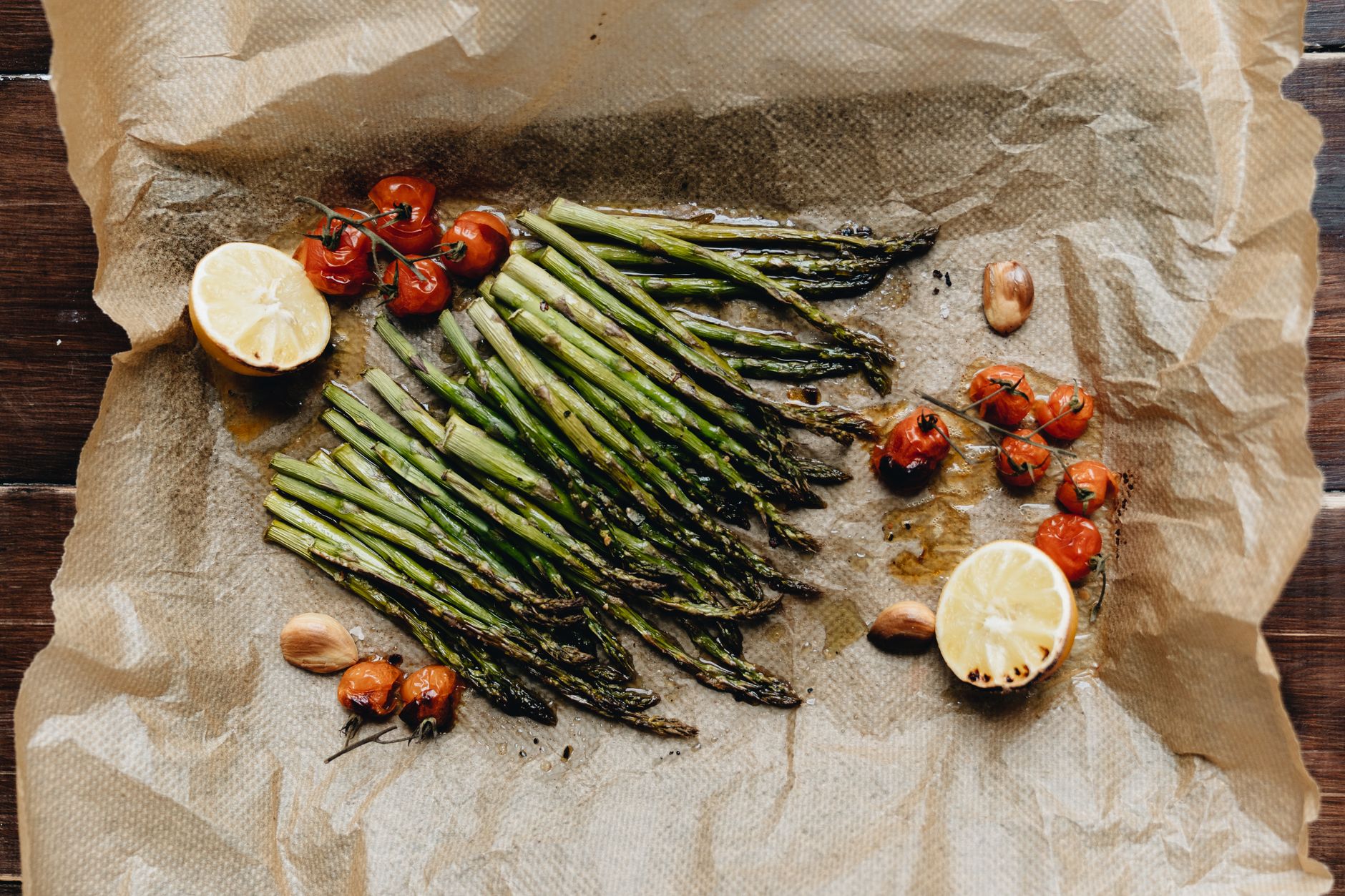
Asparagus is a versatile vegetable that can elevate a wide range of dishes with its distinct flavor and crisp texture. When cooked properly, it becomes tender without losing its vibrant color, making it a perfect side dish or a main feature. This article will guide you through the process of cooking asparagus in the oven at 375 degrees Fahrenheit, discussing the optimal cooking time, techniques, and tips for achieving the best results.
Whether you’re preparing a simple weeknight dinner or hosting a gathering, roasted asparagus can bring freshness and character to your meal. Let’s explore how to cook asparagus to perfection in the oven!
How Long To Cook Asparagus In Oven At 375?
Cooking asparagus in the oven at 375 degrees Fahrenheit typically takes about 15 to 20 minutes, depending on the thickness of the spears and your desired level of tenderness. For crisp-tender asparagus, aim for the 15-minute mark, while more tender asparagus may require up to 20 minutes.
Why Roast Asparagus?
Roasting asparagus intensifies its natural flavors and sweetness, giving it a delightful caramelized edge. This cooking method is straightforward and requires minimal preparation. Additionally, roasted asparagus retains most of its nutrients, making it a healthy choice.
Ingredients Needed
- Fresh asparagus (1 bunch)
- Olive oil (2 tablespoons)
- Salt (to taste)
- Black pepper (to taste)
- Lemon (optional, for zest and juice)
- Garlic (optional, minced, 1-2 cloves)
- Parmesan cheese (optional, for topping)
Essential Equipment
- Oven
- Baking sheet
- Parchment paper (optional, for easy cleanup)
- Mixing bowl
- Knife and cutting board
Step-by-Step Instructions
- Preheat the Oven: Preheat your oven to 375°F (190°C). This temperature ensures that the asparagus cooks evenly while achieving a nice roasted appearance.
- Prepare the Asparagus: Rinse the asparagus spears under cool water to remove any dirt. Trim the tough ends off the asparagus, typically about 1 to 2 inches from the bottom. If the asparagus is thick, you might want to peel the lower part of the spear to ensure even cooking.
- Toss with Olive Oil: In a large mixing bowl, drizzle the asparagus with olive oil. Add salt, pepper, and minced garlic (if using) to taste. Toss the asparagus gently to ensure each spear is evenly coated with oil and seasoning.
- Arrange on Baking Sheet: Line a baking sheet with parchment paper for easier cleanup, if desired. Spread the seasoned asparagus in a single layer on the baking sheet, making sure not to overcrowd the spears.
- Roast the Asparagus: Place the baking sheet in the preheated oven and roast the asparagus for 15 to 20 minutes. Shake the pan halfway through cooking to promote even roasting. The asparagus should be bright green and tender but still firm.
- Check for Doneness: To test if the asparagus is cooked to your liking, pierce a spear with a fork. For crisp-tender asparagus, it should have a slight crunch. For softer asparagus, it may need a few more minutes.
- Add Finishing Touches: If desired, squeeze fresh lemon juice over the roasted asparagus for a zesty flavor. You can also sprinkle grated Parmesan cheese on top for a savory finish.
- Serve: Transfer the roasted asparagus to a serving dish and enjoy it warm as a side dish or incorporate it into your favorite recipes.
Tips for Perfect Roasted Asparagus
- Choosing Asparagus: Look for firm, straight spears with tightly closed tips. Thin spears will cook faster, while thicker spears may need an extra minute or two.
- Uniform Sizing: Try to select asparagus spears of similar thickness to ensure even cooking. If your bunch contains a variety of sizes, separate them on the baking sheet so that thinner spears can cook quickly and not overcook the thicker ones.
- Flavor Variations: Experiment with different seasonings and herbs, such as red pepper flakes, lemon zest, or even balsamic vinegar for a unique twist.
- Don’t Overcrowd: Give the asparagus enough space on the baking sheet. Overcrowding can cause steaming instead of roasting, leading to soggy spears.
Common Mistakes When Roasting Asparagus
Even though roasting asparagus is simple, certain mistakes can lead to suboptimal results. Here are a few common pitfalls to avoid:
- Not trimming the ends: Leaving the tough ends can make your dish unpleasant.
- Forgetting to preheat the oven: A preheated oven is essential for achieving that roasted texture.
- Overcooking: Keep an eye on the cooking time, as asparagus can quickly become mushy.
- Underseasoning: Olive oil, salt, and pepper are essential for bringing out the flavors, so don’t skip them.
Serving Suggestions for Roasted Asparagus
Roasted asparagus pairs beautifully with a variety of dishes. Here are some serving ideas:
- As a side dish to grilled chicken, steak, or fish.
- Chopped and mixed into salads for added crunch.
- Blended into soups for a silky texture.
- Served atop a creamy pasta or risotto.
Frequently Asked Questions
Can you eat raw asparagus?
Yes, raw asparagus can be eaten, though it may be tougher and less flavorful than when cooked. It can be shaved into salads or used as a crunchy vegetable in dips. However, it’s essential to wash it thoroughly before consumption.
How do I store leftover roasted asparagus?
Leftover roasted asparagus can be stored in an airtight container in the refrigerator for up to three days. To reheat, place it on a baking sheet in the oven at 350°F (175°C) for about 5-10 minutes, or heat it briefly in the microwave.
What other spices work well with asparagus?
Asparagus is a versatile vegetable that can pair well with various seasonings like garlic powder, onion powder, smoked paprika, or fresh herbs like thyme, rosemary, and dill.
Make-Ahead Tips
Roasted asparagus is best served fresh, but if you want to prep ahead, you can clean and trim the asparagus a day in advance. Store it in the refrigerator until you are ready to roast. This will save time and make your meal prep smoother.
How to Incorporate Asparagus Into Other Meals
If you’re looking to diversify your meal planning, consider these ways to incorporate asparagus into other meals:
- Breakfast: Sauté asparagus with eggs for a nutrient-packed omelet or frittata.
- Lunch: Toss roasted asparagus into a quinoa salad or grain bowl with proteins like chickpeas or grilled chicken.
- Dinner: Layer asparagus into a fresh vegetable lasagna or stir it into noodle dishes.
Storage and Reheating Roasted Asparagus
Proper storage can help maintain the quality of your leftover roasted asparagus:
- Store cooked asparagus in an airtight container in the refrigerator.
- Avoid storing with very damp vegetables to prevent mushiness.
- Do not freeze roasted asparagus as it can alter the texture, but you may freeze raw asparagus for later cooking.
Conclusion
Cooking asparagus in the oven at 375 degrees Fahrenheit is a straightforward process that allows you to enjoy this delicious vegetable with minimal effort. By following the steps and tips provided, you can achieve perfectly roasted asparagus that enhances any meal. Experiment with different seasonings and serving suggestions to keep your dishes fresh and exciting!
For more cooking techniques, explore how to boil asparagus and learn about whether you can eat raw asparagus.