
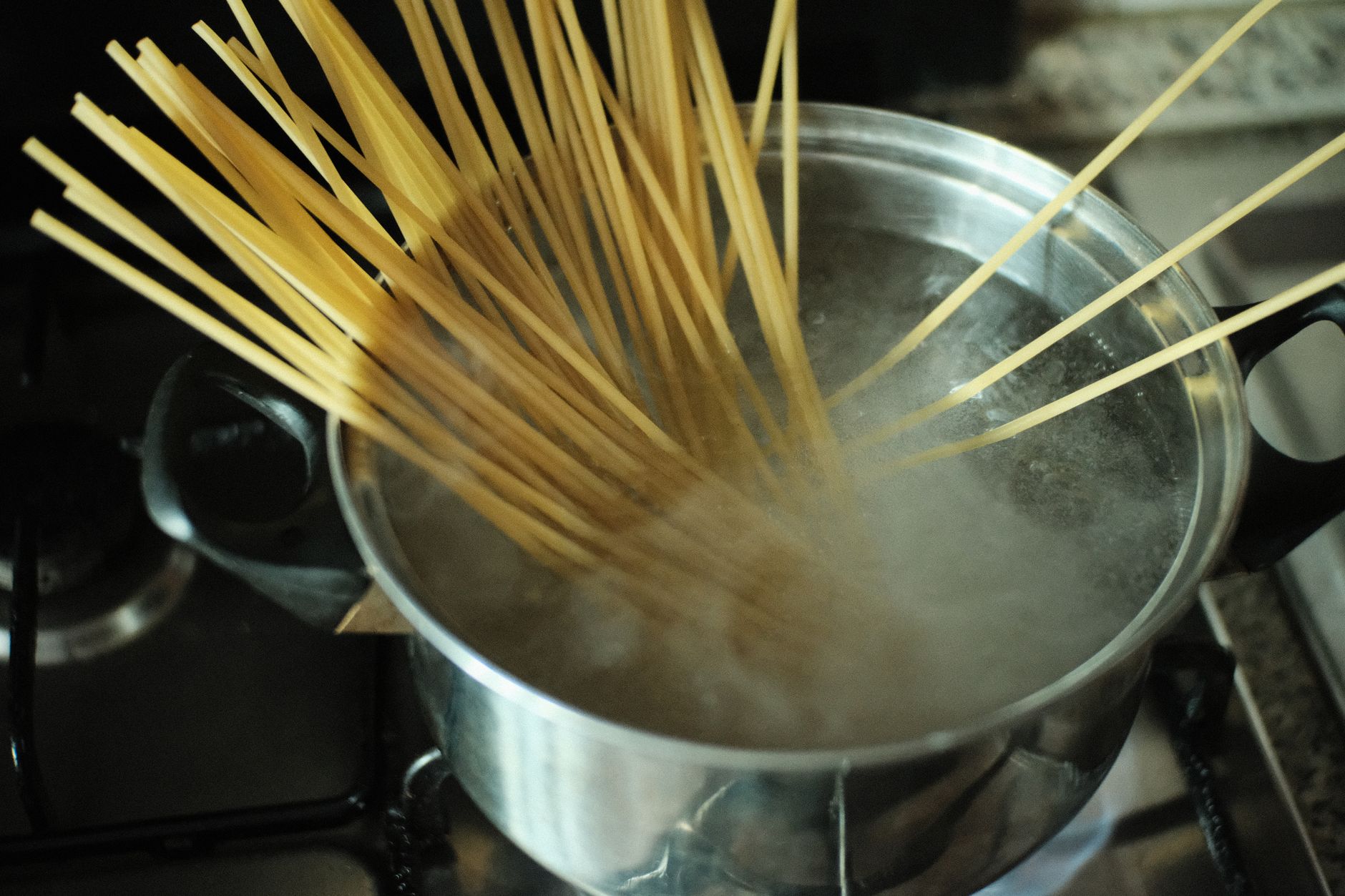
Boiling pasta to the perfect al dente texture is a skill that enhances any dish. Al dente, meaning “to the tooth” in Italian, refers to pasta that has a firm but tender bite when cooked. It holds its shape well, making it ideal for various sauces, salads, and baked dishes.
Understanding how long to boil pasta for the desired doneness not only ensures a delicious meal but also helps avoid mushy pasta. This guide will detail the factors that affect boiling time and provide helpful tips to achieve that authentic al dente finish.
How Long To Boil Pasta For Al Dente?
Cooking times for pasta can vary by type and brand. Most dry pasta takes about 8 to 12 minutes to reach al dente, while fresh pasta cooks faster, generally in about 2 to 5 minutes. Always check the package instructions for exact cooking times.
The Importance Of Cooking Time
Knowing how long to boil pasta is critical for achieving the right doneness. Overcooking results in a mushy texture, while undercooking leaves it too firm. Understanding the cooking process can make a notable difference in your dishes.
Factors Influencing Cooking Time
- Type of Pasta: Various pasta shapes and sizes, like spaghetti, penne, or orzo, have different cooking times.
- Fresh vs. Dried: Fresh pasta cooks more quickly than dried pasta due to its moisture content.
- Altitude: Higher altitudes can affect boiling temperature, slightly increasing cooking times.
- Water Temperature: Pasta should only be added to rapidly boiling water to ensure even cooking.
Types of Pasta and Their Cooking Times
Below is a general guide for various pasta types and their typical cooking times to achieve al dente:
| Pasta Type | Cooking Time (minutes) |
|---|---|
| Spaghetti | 8-10 |
| Penne | 10-12 |
| Fusilli | 10-12 |
| Fettuccine | 10-12 |
| Macaroni | 7-9 |
| Orzo | 9-11 |
| Fresh Pasta | 2-5 |
How To Boil Pasta For Al Dente
Here is a simple step-by-step guide on how to boil pasta properly for achieving that perfect al dente texture.
Essential Equipment
- Large pot
- Colander
- Measuring cup
- Timer or clock
- Wooden spoon or pasta fork
Steps to Cook Pasta Al Dente
- Fill a Large Pot: Use at least 4-6 quarts of water for every pound of pasta. This allows the pasta enough space to cook evenly.
- Boil the Water: Bring the water to a rolling boil. Add a generous pinch of salt (about 1-2 tablespoons) to enhance flavor.
- Add the Pasta: Once the water is boiling, add the pasta. Stir immediately to prevent sticking.
- Set a Timer: Refer to the package instructions for the recommended cooking time. Start timing as soon as the pasta goes in.
- Check For Doneness: About one or two minutes before the package time, taste the pasta for doneness. It should have a slight firmness but not be hard.
- Drain the Pasta: Once al dente, drain the pasta in a colander to stop the cooking process. You can rinse it briefly under cold water to halt the cooking but this removes some of the starch.
- Serve Immediately: Use the pasta right away in your favorite dish or mix it with a little olive oil to prevent sticking if it’s not served immediately.
Tips for Achieving Perfect Al Dente Pasta
- Use Salt: Salting the water is crucial for flavor; it also helps in achieving a firm texture.
- Check Early: It’s better to check the pasta a minute or two before the suggested time to ensure you don’t overcook it.
- Reserve Pasta Water: Save a cup of the starchy pasta water before draining. It can help in adjusting the sauce consistency later.
- Avoid Oil in Water: Do not add oil to the cooking water – this can prevent the sauce from sticking to the noodles.
- Don’t Overcrowd: Cook pasta in batches if making large quantities to allow proper cooking.
Common Mistakes When Boiling Pasta
Being aware of common errors can help you avoid pitfalls when boiling pasta.
- Skipping Salt: Not salting the cooking water can result in bland pasta.
- Crowding the Pot: Adding too much pasta can lower the water’s temperature, causing uneven cooking.
- Not Stirring: Failing to stir soon after adding pasta can lead to clumps or sticking.
- Rinsing Pasta: Rinsing removes surface starch, which helps sauce adhere. It’s especially a bad idea for hot pasta that will be mixed with sauce.
Variations and Serving Suggestions
Al dente pasta serves as a fantastic base for a multitude of dishes. Here are some popular ideas:
- Pasta Primavera: Toss al dente pasta with sautéed vegetables and a light olive oil or lemon dressing.
- Classic Spaghetti Aglio e Olio: Sauté garlic in olive oil and toss with al dente spaghetti, finishing with parsley and red pepper flakes.
- Mac and Cheese: Combine cooked al dente macaroni with a creamy cheese sauce for a classic comfort dish.
- Salad: Mix al dente pasta with fresh vegetables, herbs, and a vinaigrette for a refreshing pasta salad.
Storage and Reheating
If you happen to have leftover cooked pasta, here’s how to store and reheat it properly:
- Refrigerating: Store cooked pasta in an airtight container in the refrigerator for up to three days.
- Freezing: Freeze cooked pasta for longer storage. Just dust a little olive oil on it to avoid sticking and place it in a freezer-safe container for up to three months.
- Reheating: To reheat, you can microwave it with a little water or reheat it in boiling water for a minute, or sauté it in a pan with sauce.
Conclusion
Mastering the art of boiling pasta to al dente isn’t just about timing; it’s about understanding your pasta, the water, and how to manipulate them for the best results. With the right technique and tips, you can elevate your pasta dishes, creating something exceptional for any meal.
For more delicious pasta recipes, check out our Orecchiette Pasta Recipe or try the enticing Pasta and Peas Recipe for a delightful complement to your cooking repertoire.