
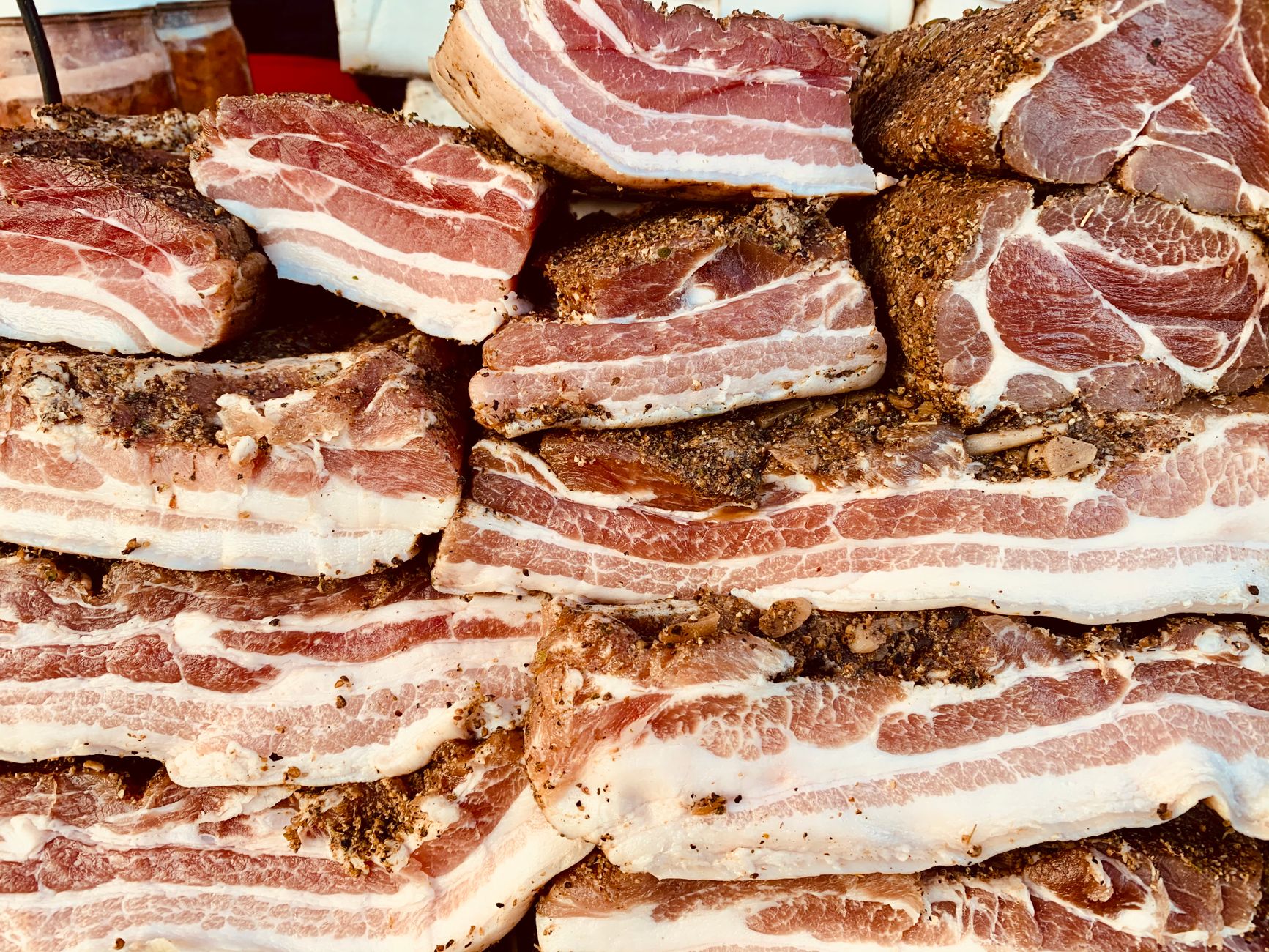
Baking thick cut bacon at 400°F is an efficient method to enjoy this savory staple. The high temperature allows for a balance of crispiness and flavor without the mess of frying. This guide will provide detailed insights on how long to bake thick cut bacon at 400°F, along with additional tips and tricks to make your bacon experience enjoyable and delicious.
With a focus on preparation time, cooking techniques, and serving suggestions, this comprehensive article aims to equip you with the knowledge necessary to bake the perfect thick cut bacon. You will find cooking times, essential equipment, and ideas for serving, all crafted to elevate your bacon game.
How Long to Bake Thick Cut Bacon at 400?
The ideal time to bake thick cut bacon at 400°F is approximately 20 to 25 minutes. However, cooking times can vary based on your oven and the thickness of the bacon strips. It’s essential to monitor the bacon closely towards the end of the cooking process to achieve your desired crispness.
Why Bake Bacon Instead of Frying?
Baking bacon presents several advantages over frying, making it a popular choice for many home cooks. Here are some reasons to choose baking:
- Even cooking: Baking allows for uniform heat distribution, which results in evenly cooked bacon.
- Less mess: There’s no splattering grease, and the oven tray can be lined with foil for easy cleanup.
- Hands-off approach: Baking bacon requires less active time in the kitchen, allowing you to focus on preparing other elements of your meal.
- More bacon at once: The oven can accommodate multiple strips, enabling you to cook larger batches compared to a frying pan.
Equipment Needed
To bake thick cut bacon at 400°F, you will need the following equipment:
- Baking sheet or roasting pan
- Parchment paper or aluminum foil
- Wire rack (optional but recommended for crisper bacon)
- Tongs or spatula for flipping bacon (optional)
Ingredient List
Baking thick cut bacon requires just one ingredient, but the quality can make a significant difference:
- Thick cut bacon: About 1 pound (adjust quantity as needed based on servings).
Step-by-Step Guide to Bake Thick Cut Bacon
Follow these steps to bake thick cut bacon at 400°F:
- Preheat the oven: Begin by preheating your oven to 400°F (204°C). This is the optimal temperature for achieving crispy bacon.
- Prepare the baking sheet: Line your baking sheet with parchment paper or aluminum foil. This will catch the grease and make cleanup easier.
- (Optional) Add a wire rack: If you have it, place a wire rack on top of the lined baking sheet. This allows the heat to circulate around the bacon, resulting in a crispier texture.
- Arrange the bacon: Lay the thick cut bacon strips in a single layer on the baking sheet or wire rack. Make sure the strips do not overlap, as this will cause uneven cooking.
- Bake the bacon: Place the sheet in the preheated oven and bake for about 20 to 25 minutes. Start checking for doneness at the 20-minute mark.
- Check for crispiness: Bacon is ready when it reaches a deep golden brown and crispy texture. If you prefer it less crispy, remove it earlier; if you want it crispier, add a few more minutes as needed.
- Drain the grease: Once cooked to your liking, remove the bacon from the oven. Use tongs to transfer the bacon to a plate lined with paper towels to absorb excess grease.
- Serve: Enjoy the thick cut bacon immediately, or let it cool and store for later use.
Tips for Perfectly Baked Bacon
Achieving the perfect bacon requires some attention. Here are tips to enhance your baking experience:
- Monitor closely: Ovens can vary, so it’s crucial to start checking your bacon around the 20-minute mark. Every minute counts when achieving your desired doneness.
- Save the grease: After cooking, you can save the rendered bacon grease for future cooking. It adds flavor to various dishes like roasted vegetables or scrambled eggs.
- Don’t crowd the pan: Having too many strips of bacon can lead to steaming rather than baking. Keep enough space between strips.
- Experiment with flavors: Before baking, you can add spices, maple syrup, or brown sugar to the bacon for a unique twist on flavor.
Common Mistakes When Baking Thick Cut Bacon
Here are a few common mistakes to avoid when baking thick cut bacon:
- Bacon too close together: Avoid overlapping strips to ensure even cooking. Each strip needs exposure to the hot air.
- Not using enough paper towels: If you skip draining the bacon, it may taste greasy rather than crispy.
- Opening the oven too often: Limit openings to prevent heat loss, which can lead to uneven cooking.
Serving Suggestions
Thick cut bacon is a versatile ingredient that can elevate various dishes:
- Breakfast: Serve alongside eggs and toast or incorporated into a breakfast sandwich.
- Salads: Crumble cooked bacon over salads for added crunch and flavor.
- Pasta: Incorporate it into pasta dishes or carbonara for a rich taste.
- Appetizers: Wrap bacon around vegetables or water chestnuts for an easy appetizer.
Storage and Reheating Tips
If you have leftover bacon, storing and reheating it properly will help maintain its flavor and texture. Here’s how:
- Storage: Place cooled bacon in an airtight container or a resealable plastic bag. It can be stored in the refrigerator for up to a week.
- Freezing: For longer storage, you can freeze cooked bacon. Layer wax paper between strips to prevent sticking and store in a freezer-safe bag for up to three months.
- Reheating: When ready to eat, reheat in the oven at 350°F (175°C) for about 5-10 minutes or in the microwave for a few seconds until warm.
Variations and Substitutions
While thick cut bacon is a delicious choice, various alternatives can be used based on dietary preferences:
- Turkey bacon: A leaner option that can be baked in the same manner, though cooking times may vary slightly.
- Veggie bacon: Plant-based bacon alternatives can be baked but follow package guidelines for cooking times and temperatures.
- Pork belly: For those who love unprocessed cuts, pork belly can be baked in a similar way, though adjust cooking times based on thickness.
Frequently Asked Questions
Here are some common questions about baking thick cut bacon:
Can I bake bacon at a different temperature?
Yes, you can bake bacon at temperatures ranging from 350°F (175°C) to 425°F (218°C). Lower temperatures will take longer to cook, while higher temperatures may cook faster but require close monitoring to prevent burning.
Do I need to flip the bacon while baking?
Flipping is not necessary when baking bacon on a wire rack, as heat circulates evenly. However, if cooked directly on a sheet, you may want to flip halfway for balanced cooking.
Is it safe to eat bacon that is still slightly chewy?
While some enjoy a less crispy texture, bacon should be cooked to a safe internal temperature of 145°F (63°C). Use a meat thermometer for accurate readings.
Conclusion
Baking thick cut bacon at 400°F is a straightforward way to achieve great flavor and texture without much fuss. By following the outlined steps and tips, you can enjoy a delectable batch of crispy bacon that can be used in various dishes or simply as a satisfying snack.
For more delicious meal ideas, check out how to bake chicken legs at 400 or learn about air frying chicken wings at 400. Enjoy cooking!