
Salmon is a nutritious and versatile fish that can be enjoyed in various ways, but baking it in foil is one of the simplest and most effective methods. It locks in moisture, enhances flavor, and reduces cleanup. If you’re wondering how long to bake salmon at 400 degrees Fahrenheit in foil, you’re in the right place.
This guide will walk you through the optimal cooking times, preparation tips, and flavoring techniques for perfectly baked salmon wrapped in foil. Whether you’re prepping for a casual dinner or an elegant gathering, this method can elevate your salmon dish with minimal effort.
How Long to Bake Salmon at 400 in Foil?
To bake salmon at 400 degrees Fahrenheit in foil, it generally takes about 12 to 15 minutes. However, the exact time may vary based on the thickness of the salmon fillet. The fish is done when it flakes easily with a fork and registers an internal temperature of 145°F.
Why Bake Salmon in Foil?
Baking salmon in foil has several advantages:
- Moisture Retention: The foil traps steam, preventing the fish from drying out.
- Flavor Infusion: You can easily add herbs, spices, and marinades to enhance the salmon’s flavor.
- Easy Cleanup: The foil eliminates the need for special baking dishes, making cleanup a breeze.
- Uniform Cooking: The foil wrapping promotes even cooking throughout the fillet.
Ingredients for Baked Salmon in Foil
Before you get started, gather the following ingredients:
- 4 salmon fillets (6 oz each)
- 2 tablespoons olive oil or melted butter
- 2 teaspoons lemon juice
- 1 tablespoon fresh herbs (dill, parsley, or thyme) or 1 teaspoon dried herbs
- Salt and pepper to taste
- Lemon slices (optional, for garnish)
- Vegetables (optional, like asparagus or bell peppers, cut into strips)
Essential Equipment
To bake salmon in foil, you will need:
- Aluminum foil
- Baking sheet
- Measuring spoons
- Sharp knife (for cutting vegetables)
- Food thermometer (to check doneness)
Step-by-Step Guide to Baking Salmon in Foil
- Preheat Your Oven: Start by preheating your oven to 400°F (200°C).
- Prepare the Foil: Tear off a large piece of aluminum foil, about 12–14 inches long. Lay it flat on your work surface.
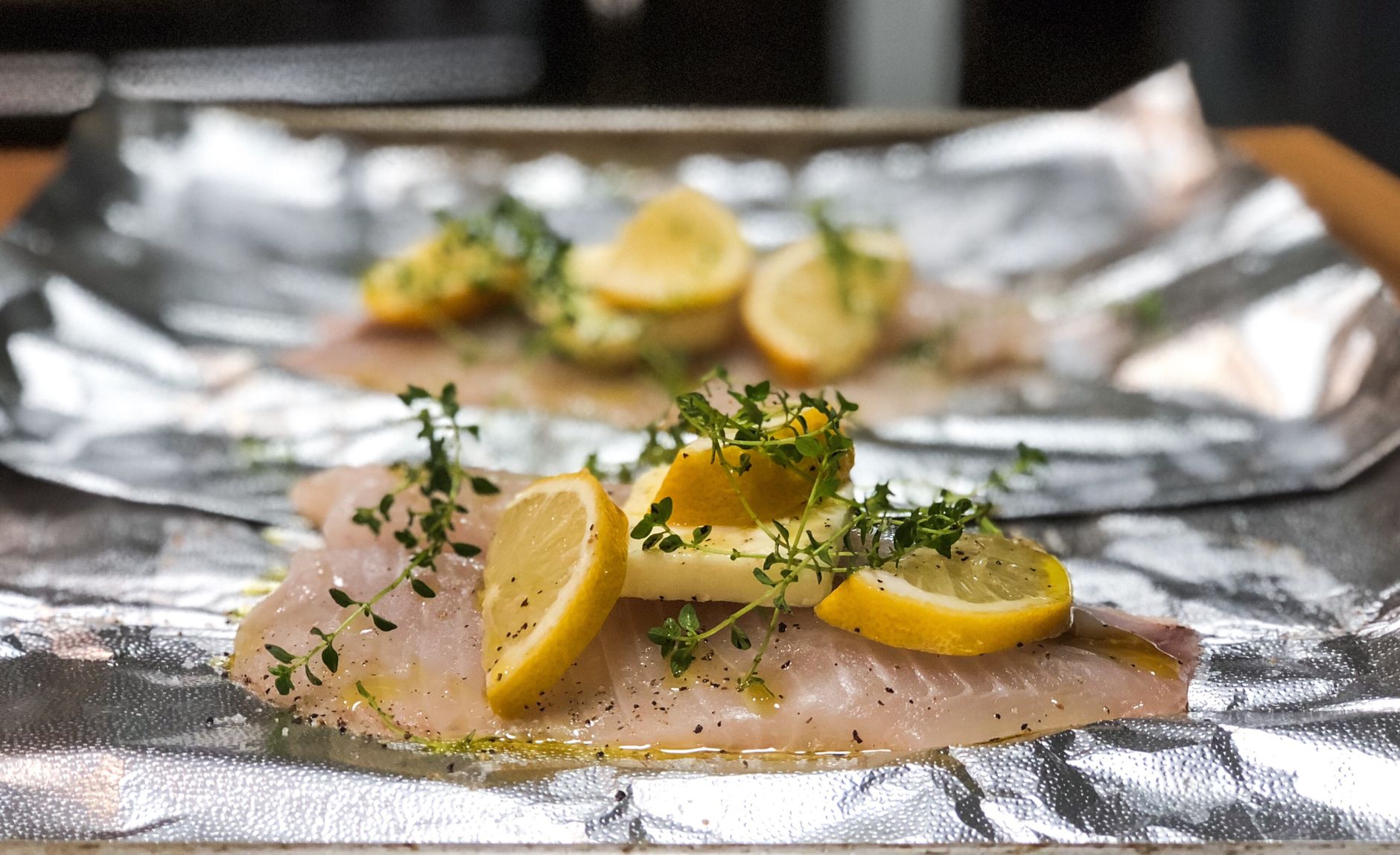
- Season the Salmon: Place each salmon fillet on the foil. Drizzle with olive oil or melted butter, followed by lemon juice. Sprinkle salt, pepper, and herbs over the fillets. You can also add sliced vegetables around the salmon for a complete meal.
- Seal the Foil: Fold the edges of the foil together to create a sealed packet. Make sure it’s tight to prevent steam from escaping.
- Bake the Salmon: Place the foil packets on a baking sheet and put them in the preheated oven. Bake for 12 to 15 minutes, depending on the thickness of the fillets.
- Check for Doneness: After the recommended time, carefully open one packet (watch out for steam) and check if the salmon flakes easily with a fork. For safety, use a food thermometer; the internal temperature should read 145°F.
- Serve and Enjoy: Once cooked, remove the salmon from the oven. Serve directly in the foil or transfer to a plate. Garnish with lemon slices if desired.
Understanding Salmon Thickness and Cooking Time
The thickness of your salmon fillet significantly impacts cooking time. Here’s a guide based on thickness:
| Fillet Thickness | Cooking Time |
|---|---|
| 1 inch | 12-15 minutes |
| 1.5 inches | 15-18 minutes |
| 2 inches | 18-22 minutes |
Use these guidelines as a starting point, but always verify with a thermometer for the best results.
Flavor Variations and Substitutions
Baking salmon in foil is versatile, allowing for numerous flavor combinations. Here are some suggestions:
Citrus Glaze
Replace lemon juice with orange or lime juice, and add zest for extra flavor.
Honey Garlic
Mix honey, minced garlic, and soy sauce in place of olive oil. This creates a sweet and savory glaze.
Spicy Sriracha
Drizzle Sriracha sauce over the salmon for a kick, or mix it with a bit of honey for a balance of spice and sweetness.
Herb Crust
Use a mixture of panko breadcrumbs, parsley, and Parmesan cheese as a crust for the salmon, adding it on top before sealing in the foil.
Vegetable Additions
Add thinly sliced vegetables like zucchini, squash, or mushrooms to the foil packet, making for a complete, nutritious meal.
Common Mistakes to Avoid
Here are some pitfalls to avoid while baking salmon in foil:
- Overcooking: Always monitor the cooking time and use a thermometer. Salmon can become dry if overcooked.
- Too Little Seasoning: Salmon has a distinct flavor; don’t skimp on spices, salt, and acids to enhance its taste.
- Improper Sealing: Ensure the foil packets are tightly sealed to retain moisture and steam.
- Forgetting to Preheat: Always preheat the oven for even cooking.
Serving Suggestions
When it comes to serving baked salmon, there are numerous ways to pair it:
- With a Side Salad: A fresh salad with mixed greens, cherry tomatoes, and a light vinaigrette complements the richness of the salmon.
- Over Rice or Quinoa: Serve salmon over a bed of white or brown rice, or quinoa for a wholesome meal.
- Pasta Dishes: Flake the salmon over pasta tossed with garlic, spinach, and olive oil.
- With Roasted Vegetables: Pair alongside roasted seasonal vegetables for a colorful and healthy meal.
Make-Ahead and Storage Tips
If you’re meal-prepping, baked salmon keeps well. Here are some storage tips:
- Refrigeration: Cooked salmon can be stored in the refrigerator for up to 3 days. Make sure it’s wrapped tightly in foil or stored in an airtight container.
- Freezing: To freeze, wrap cooked and cooled salmon tightly in foil or plastic wrap. It can be frozen for up to 3 months. Thaw in the refrigerator before reheating.
Reheating Baked Salmon
To reheat salmon while retaining moisture:
- Oven Method: Preheat your oven to 275°F. Place the salmon in a baking dish, cover with foil, and heat for about 15-20 minutes or until warmed through.
- Microwave Method: Place salmon on a microwave-safe plate, cover with a damp paper towel, and heat at medium power for 1-2 minutes, checking frequently.
Nutritional Benefits of Salmon
Salmon is not only delicious but also offers various health benefits:
- Rich in Omega-3 Fatty Acids: This healthy fat supports heart health and brain function.
- High in Protein: Salmon is an excellent source of high-quality protein, essential for muscle building and repair.
- Vitamins and Minerals: It’s packed with essential vitamins such as B vitamins (B12, B6) and minerals like selenium, which aids in metabolism.
By understanding the cooking times and methods to bake salmon at 400°F in foil, you can create a flavorful and fulfilling dish with minimal effort. Whether you are trying it for a weeknight dinner or a gathering with friends, this method is sure to deliver succulent results while being easy to prepare and clean up.
Next time you’re looking to prepare salmon, remember these tips and techniques for a guaranteed delicious outcome. Enjoying tasty, healthy meals at home has never been easier!
For more cooking tips, check out how long to bake chicken legs at 400 or learn how long to cook ribs wrapped in foil in the oven.