
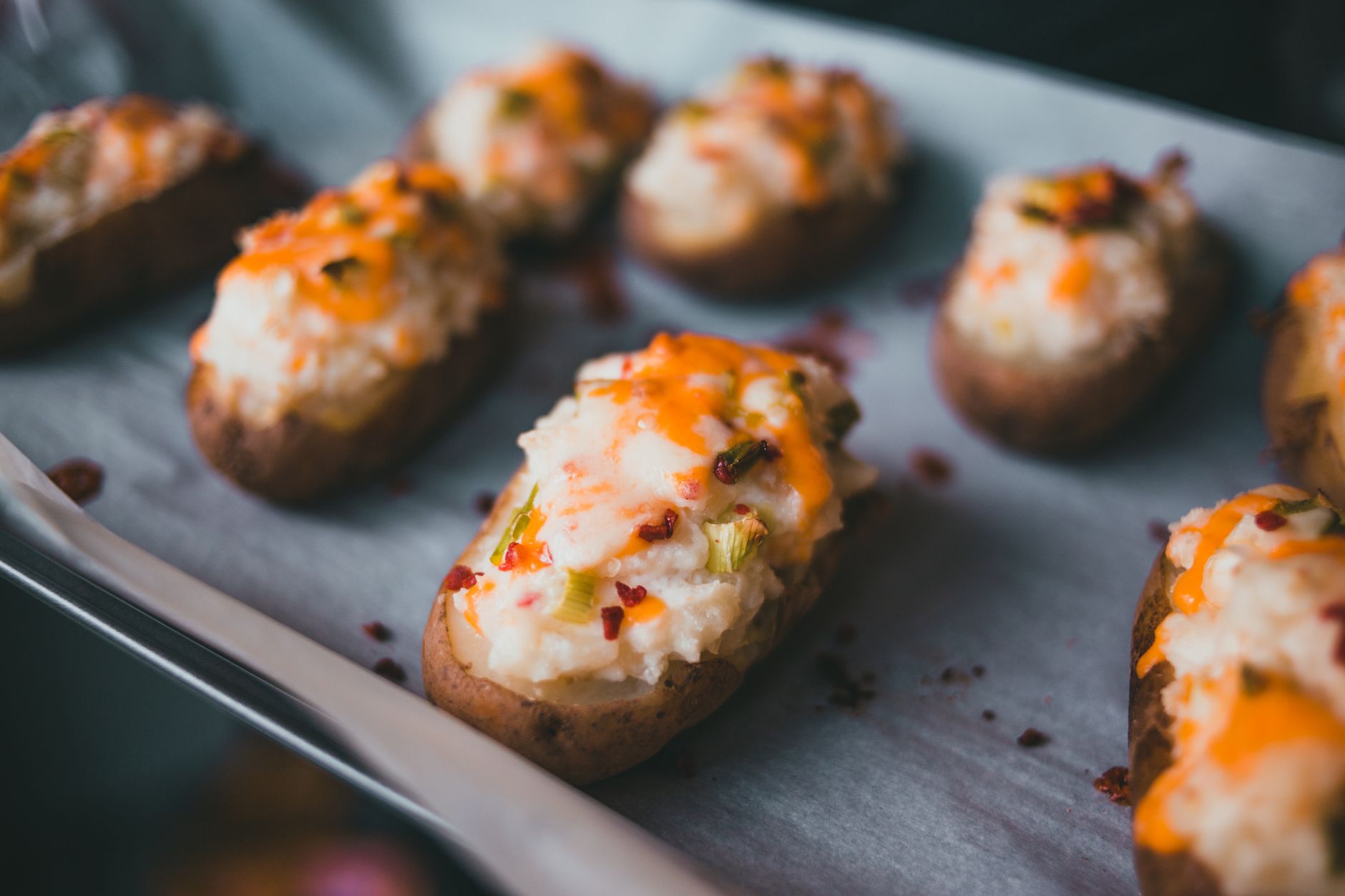
Baking a potato is a simple yet satisfying cooking technique that can yield a fluffy, tender center, perfect for topping with butter, sour cream, chives, or even chili. The versatility of baked potatoes makes them suitable for various meals—whether as a side dish at dinner or as a hearty snack. But how long should you really bake a potato?
The answer to this query depends on several factors, including the size of the potato, the baking temperature, and the desired level of doneness. In this comprehensive guide, we’ll discuss the best practices for baking potatoes, covering everything from timing and temperature to doneness cues, potting, and storage.
How Long to Bake a Potato?
Typically, you should bake a medium-sized potato at 400°F (204°C) for about 45 to 60 minutes. Cooking times may vary based on the potato size and the oven type, so checking for doneness is crucial to ensure perfect results.
Understanding the Basics of Baking Potatoes
Before diving into specifics, it’s essential to know the types of potatoes best suited for baking. Generally, russet potatoes and Idaho potatoes are recommended because of their starchy texture, which helps achieve a fluffy interior when baked.
Choosing the Right Potato
- Russet Potatoes: Their high starch content makes them light and fluffy when baked.
- Idaho Potatoes: Similar to russets, Idaho potatoes offer a great balance of starch and moisture.
- Whites and Golds: While they can be baked, they tend to be waxier and may not yield the same fluffy texture.
Potato Sizes and Their Impact on Cooking Times
Potato sizes can range from small to extra-large. Here’s a quick guide on how long to bake potatoes based on their size:
| Potato Size | Weight | Baking Time at 400°F (204°C) |
|---|---|---|
| Small | 4-6 ounces | 30-40 minutes |
| Medium | 8-10 ounces | 45-60 minutes |
| Large | 12-16 ounces | 60-75 minutes |
| Extra Large | over 16 ounces | 75-90 minutes |
Preparing Potatoes for Baking
Proper prep work can enhance the final result. Here’s how to prepare your potatoes before baking:
- Wash: Scrub the potato thoroughly under cold water to remove dirt.
- Dry: Pat the potatoes dry with a towel to ensure crispier skin.
- Prick: Use a fork to poke holes in the potato, allowing steam to escape as it cooks.
- Season: For crispy skin, rub a bit of olive oil or butter on the skin and sprinkle with salt.
Baking Techniques and Tips
There are a couple of common methods for baking potatoes that are worth noting:
Method 1: Conventional Oven
- Preheat your oven to 400°F (204°C).
- Prepare the potatoes as mentioned above.
- Place them directly on the oven rack or on a baking sheet.
- Bake for the recommended time based on the potato size, checking for doneness periodically.
- For added crispiness, you can turn the potato halfway through baking.
Method 2: Microwave and Oven Combination
This method reduces overall cooking time while still providing a nice baked texture.
- Prepare the potatoes as described above.
- Microwave the potatoes on high for 5-10 minutes, depending on size, until they start to soften.
- Transfer to a preheated oven at 400°F (204°C) for an additional 20-30 minutes to achieve a crispy outer layer.
Checking for Doneness
To check if your potato is fully baked, you have a few options:
- Fork Test: Insert a fork into the center of the potato. It should slide in easily without resistance.
- Temperature Check: Use a food thermometer; the internal temperature should reach at least 205°F (96°C).
Common Mistakes While Baking Potatoes
- Overcooking: Be mindful of cooking times; overcooked potatoes can become dry and mealy.
- Undercooking: Eating undercooked potatoes can be unappetizing, so check doneness carefully.
- Skipping Seasoning: A lack of seasoning on the skin can lead to bland results.
Serving Suggestions
Baked potatoes are delicious on their own or as a canvas for a variety of toppings. Here are some popular ways to serve them:
- Classic: Butter, sour cream, salt, and pepper.
- Loaded: Cheese, bacon bits, chives, and ranch dressing.
- Vegetarian: Topped with steamed broccoli and cheddar cheese.
- Chili: Serve with a hearty chili on top for a filling meal.
- Breakfast: Top with scrambled eggs and salsa for a savory start to the day.
Make-Ahead Tips and Storage
If you plan to prepare baked potatoes in advance, here are some guidelines to follow:
- Make-Ahead: Bake the potatoes and let them cool completely. Wrap them individually in foil, then store them in the refrigerator for up to 3 days.
- Reheating: Reheat your baked potatoes in a preheated oven at 350°F (177°C) for about 15-20 minutes, or until heated through.
- Freezing: You can freeze baked potatoes for longer storage. Wrap them in foil and place them in a freezer-safe bag. They can last up to 3 months.
Creative Variations
While a classic baked potato is hard to beat, consider these creative variations:
- Sweet Potatoes: Use sweet potatoes for a healthier, sweeter alternative.
- Herb Butter: Mix softened butter with fresh herbs for a flavorful twist.
- Stuffed Potatoes: Hollow out the cooked potato and mix the insides with your choice of protein and veggies before refilling.
- Potato Skins: Scoop out the flesh and fry the skins for crispy chips—perfect for game day!
Conclusion
Baking a potato is an easy and rewarding process that can provide a variety of tasty options for meals or snacks. Remember to select the right type of potato and adjust your baking time based on their size. Whether enjoyed with simple toppings or creatively dressed, a perfectly baked potato can satisfy a multitude of cravings. For more recipes, check out how long to bake boneless pork chops or learn how long to bake chicken legs at 400°F.