
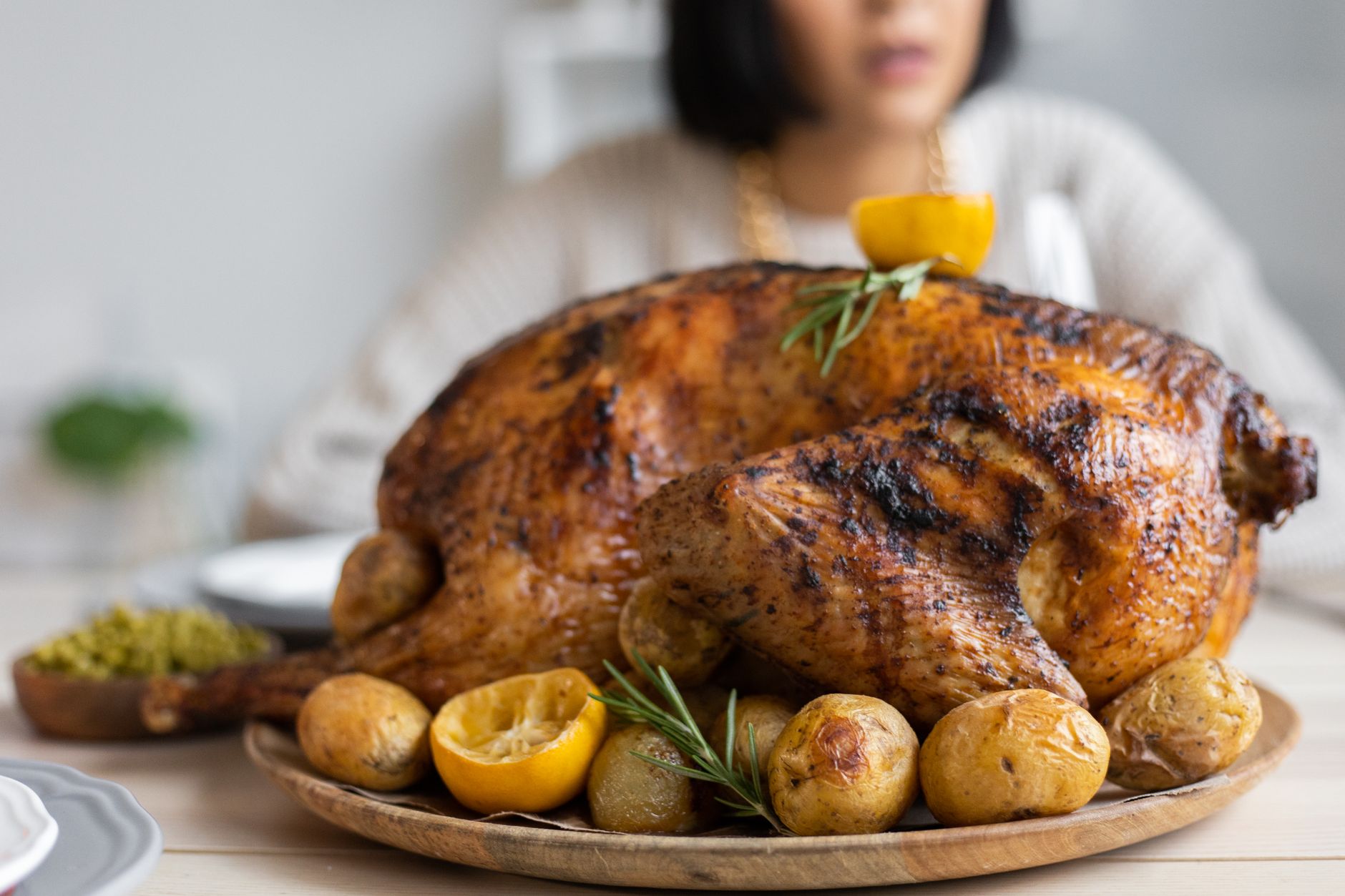
When it comes to cooking a turkey, timing is crucial, especially for a 12 lb turkey. For many, the turkey is the centerpiece of the meal, whether for Thanksgiving or any festive gathering. Knowing how long to bake it is essential to ensure it is juicy and flavorful while safe to eat.
This guide will walk you through the necessary steps, timing, and temperatures involved in baking a 12 lb turkey. With accurate preparation and understanding, you’ll confidently impress your guests with a perfectly roasted turkey.
How Long To Bake 12 Lb Turkey?
You should bake a 12 lb turkey for approximately 3 to 3.5 hours at 325°F (163°C) if it’s unstuffed. If you opt for a stuffed turkey, the cooking time increases to about 3.5 to 4 hours. Use a meat thermometer to ensure it reaches an internal temperature of 165°F (74°C).
Essential Cooking Tips for Baking Turkey
Before diving into specifics, here are some fundamental tips that will help you achieve great results with your turkey:
- Thaw the Turkey Properly: Ensure your turkey is completely thawed before baking. For every 5 pounds of turkey, allow 24 hours of thawing in the refrigerator.
- Brining: Consider brining your turkey for added flavor and moisture. A simple solution of water, salt, and sugar can make a significant difference.
- Let It Rest: Allow your turkey to rest for at least 20-30 minutes after removing it from the oven before carving.
Preparing the Turkey
Here’s a step-by-step guide to prepare and bake your 12 lb turkey.
Ingredients
- 12 lb turkey (thawed if frozen)
- Salt and pepper to taste
- Olive oil or melted butter (about 1/2 cup)
- Herbs (such as thyme, rosemary, or sage)
- Vegetables (optional—onions, carrots, and celery for added flavor)
- Stuffing (optional)
Essential Equipment
- Roasting pan
- Meat thermometer
- Aluminum foil
- Mixing bowl (for seasoning)
- Cooking twine (for tying turkey legs)
- Carving knife
Step-by-Step Instructions
- Preheat the Oven: Set your oven to 325°F (163°C).
- Prepare the Turkey: Remove the giblets and neck from the turkey cavity. Rinse the turkey under cold water and pat it dry with paper towels.
- Seasoning: In a bowl, mix olive oil or melted butter, salt, pepper, and herbs. Rub this mixture all over the turkey, including under the skin and inside the cavity.
- Optional Stuffing: If planning to stuff the turkey, prepare your stuffing and loosely fill the cavity. Do not overstuff as this can affect cooking time.
- Trussing: Use cooking twine to tie the legs together and tuck the wings under the body to help ensure even cooking.
- Place in Roasting Pan: Set the turkey breast side up in the roasting pan. If using vegetables for flavor, scatter them in the pan around the turkey.
- Roast: Place the roasting pan in the preheated oven. Bake the unstuffed turkey for 3 to 3.5 hours or for 3.5 to 4 hours if stuffed.
- Check Temperature: About 30 minutes before the end of cooking time, start checking the internal temperature with a meat thermometer. Insert it into the thickest part of the breast and thigh without touching the bone.
- Golden Brown Skin: If the turkey skin looks very brown or crispy before it’s fully cooked, tent it with aluminum foil to prevent burning.
- Rest Before Carving: Once the internal temperature reaches 165°F (74°C), remove the turkey from the oven. Cover it loosely with foil and let it rest for 20 to 30 minutes before carving.
Understanding Cooking Times
Understanding cooking times is crucial for timing your meal correctly. The general rule of thumb is:
- Unstuffed Turkey: 13-15 minutes per pound.
- Stuffed Turkey: 15-17 minutes per pound.
By this logic, a 12 lb turkey falls within these guidelines, resulting in cooking times of about 3 hours to 4 hours depending on whether it’s stuffed.
Temperature and Doneness
Using a meat thermometer is essential for ensuring your turkey is cooked safely and thoroughly. When checking for doneness, insert the thermometer into the thickest part of the turkey breast and the inner thigh. Make sure the thermometer does not touch the bone, as this can give you an inaccurate reading.
The USDA recommends an internal temperature of at least 165°F (74°C) for turkey. This temperature ensures any harmful bacteria are eliminated and the meat remains juicy.
Common Mistakes to Avoid
Even experienced cooks can make missteps when baking a turkey. Here are common pitfalls and how to avoid them:
- Failing to Thaw: Cooking a turkey that is still frozen can result in uneven cooking and potentially dangerous bacteria growth. Ensure proper thawing.
- Underseasoning: A lightly seasoned turkey can taste bland. Ensure you flavor not just the skin but also beneath it and inside the cavity.
- Opening the Oven Too Often: Each time you open the oven door, you let heat escape. Try to check the turkey with the oven door closed as much as possible.
- Skipping the Rest Period: This is a crucial step that allows juices to redistribute, ensuring a moist turkey when carved.
Flavor Variations and Additions
Enhancing your turkey with different flavors can make your dish unique and memorable. Here are a few ideas:
- Herb-infused Butter: Mix softened butter with herbs like sage, thyme, and rosemary. Rub beneath the skin for enhanced flavor.
- Citrus Zest: Stuff the cavity with lemon or orange slices for an added zesty flavor.
- Spiced Rubs: Experiment with different seasonings such as smoked paprika, garlic powder, or even chili powder for a twist.
Storage and Reheating Recommendations
After the turkey feast, you may have plenty of leftovers. Here’s how to store and reheat your turkey safely:
- Storage: Cut leftover turkey into smaller pieces and store it in airtight containers. It can be safely stored in the refrigerator for up to 3-4 days or frozen for up to 4 months.
- Reheating: Reheat turkey in the oven at 325°F (163°C) until warmed thoroughly, approximately 15-30 minutes depending on the amount. Adding a bit of broth or gravy can help keep it moist.
Serving Suggestions
When it comes to serving your turkey, presentation matters. Here are some suggestions to elevate your turkey dish:
- Garnish with fresh herbs such as parsley or rosemary for a pop of color.
- Serve with traditional side dishes like stuffing, cranberry sauce, or mashed potatoes.
- Consider adding a gravy made from the drippings to enhance flavor and moisture.
Meal Planning with Turkey
Baking a turkey can produce a lot of delicious leftovers, which makes it a great choice for meal planning. Utilize leftover turkey in various ways:
- Sandwiches: Use slices of turkey on bread with cranberry sauce and stuffing for a classic leftover sandwich.
- Soups: Make a hearty turkey soup with leftover meat and vegetables.
- Salads: Toss shredded turkey into salads for added protein.
With these ideas, you can extend your turkey feast beyond the initial meal and enjoy the flavors throughout the week.
What to Pair with Your Turkey
Pairing the right beverages with your turkey dish can enhance the overall dining experience. Here are some options:
- Wine: A light white wine, such as Chardonnay or Pinot Grigio, complements turkey well.
- Cider: Non-alcoholic apple or pear cider can provide a refreshing contrast.
- Herbal Tea: A soothing herbal tea can also be a warm beverage choice for your meal.
Final Thoughts on Baking Turkey
Learning how long to bake a 12 lb turkey is vital for any holiday meal or special occasion. With the right timing, temperature, and preparation, your turkey can be a succulent centerpiece that everyone will appreciate. Remember to use a meat thermometer, and don’t forget the importance of resting the turkey before carving.
Take your time, enjoy the process, and your efforts will surely pay off. Happy cooking!
For more cooking tips and recipes, explore how long to cook turkey per pound or discover how long to deep fry a turkey.