
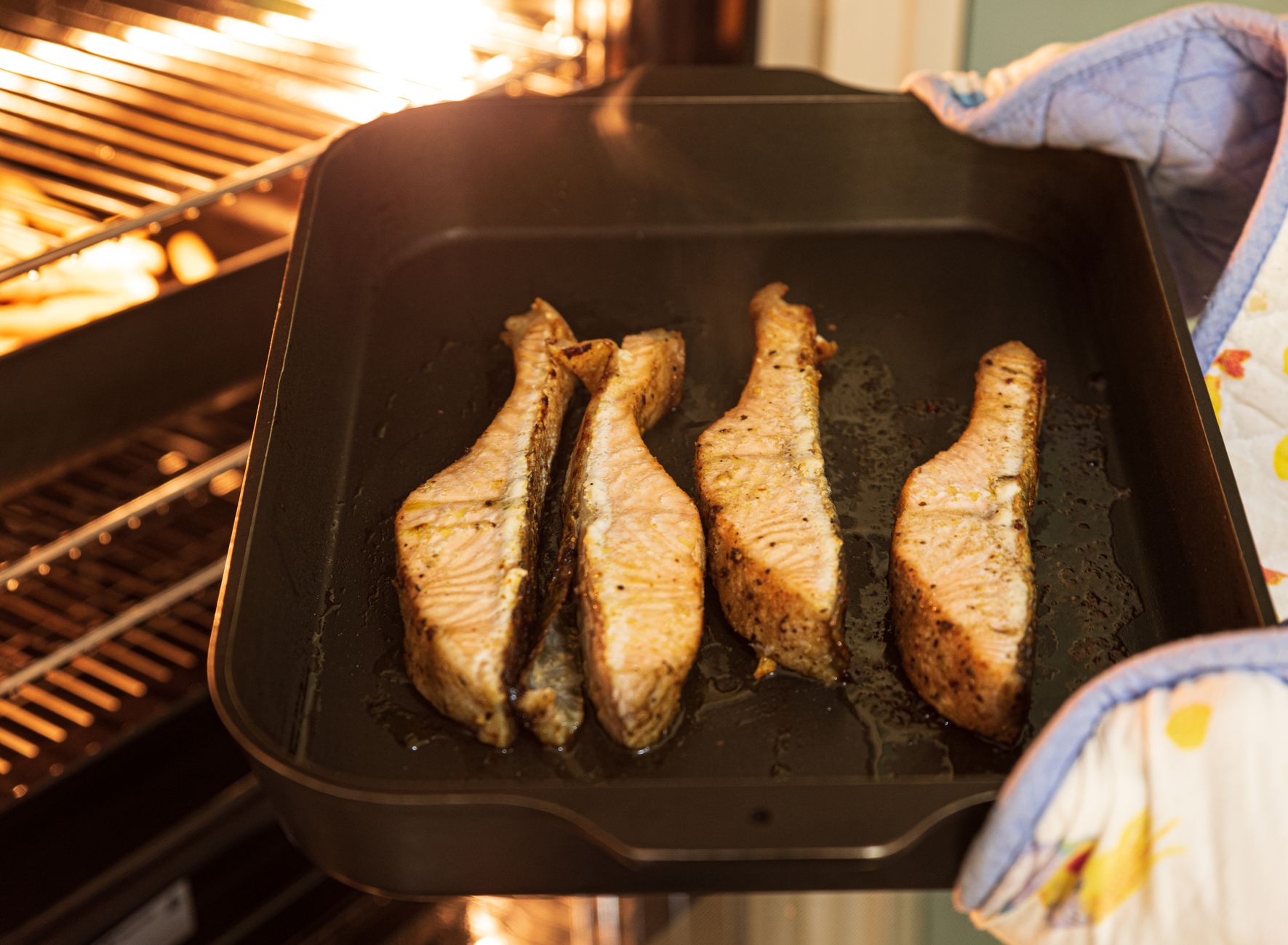
Salmon is a versatile fish that can be baked in various ways, making it a popular choice for healthy meals. Specifying how long you should bake salmon can depend on several factors, including thickness, oven temperature, and personal preference for doneness.
This article will provide you with comprehensive information on baking salmon, including cooking times, desired doneness, tips for success, and troubleshooting techniques.
How Long Should You Bake Salmon for?
When baking salmon, the general rule of thumb is to cook it for 4 to 6 minutes per half-inch of thickness at 375°F (190°C). Using this guideline, a typical salmon fillet usually takes about 15 to 20 minutes to bake, depending on its thickness and cooking method.
To achieve perfectly baked salmon, check for doneness with a fork or a food thermometer. The fish should be opaque and flake easily, with an internal temperature of 145°F (63°C).
Factors Affecting Baking Time
Several factors can affect how long your salmon will need to bake. Understanding these can help you dial in the perfect timing for your meal.
- Thickness of the Fillet: Thicker pieces will require more time. Measure the thickest part of the fillet when calculating baking time.
- Oven Temperature: The temperature at which you bake salmon can significantly impact cooking time. A higher temperature will reduce the time needed compared to a lower temperature.
- Type of Salmon: Different types of salmon, such as sockeye, coho, or Atlantic salmon, can vary in fat content, which affects cooking time.
- Cooking Method: The baking method—whether covered, uncovered, or wrapped in foil—also influences how quickly the salmon cooks.
Ideal Baking Temperatures
The baking temperature largely determines the cooking duration. Here are some popular oven settings for baking salmon:
- 375°F (190°C): This is considered a moderate baking temperature and will usually yield a time of 15 to 20 minutes for average fillets.
- 400°F (200°C): At this temperature, salmon will cook faster, requiring approximately 12 to 18 minutes.
- 425°F (220°C): High heat will cook salmon quickly, often in 8 to 12 minutes, but it may require closer monitoring to avoid drying out.
Steps to Bake Salmon
Follow these steps for perfectly baked salmon:
- Preheat the Oven: Set your oven to the desired temperature (375°F, 400°F, or 425°F).
- Prepare the Baking Dish: Use a rimmed baking sheet or a glass baking dish. Line it with aluminum foil for easier cleanup, if desired.
- Prepare the Salmon: Place the salmon fillets skin-side down in the dish. Season with salt, pepper, and any other spices or marinades of your choice.
- Bake the Salmon: Place the dish in the oven and bake according to the thickness and the desired doneness.
- Check for Doneness: Use a fork to gently flake the salmon. Alternatively, insert a food thermometer in the thickest part of the fillet. The salmon should be opaque and flaky at 145°F (63°C).
- Rest and Serve: Allow the salmon to rest for a few minutes before serving to let the juices redistribute.
Visual Cues for Doneness
Several visual cues can help you determine if your salmon is done:
- Color: Cooked salmon will appear opaque and have a light pink to white color.
- Flakiness: The fish should easily flake with a fork.
- Temperature: The internal temperature should reach at least 145°F (63°C).
Common Mistakes and Troubleshooting
Baking salmon can be straightforward, but some common mistakes can lead to less-than-ideal results. Here are troubleshooting tips to avoid issues:
- Overcooking: Keep a close eye on cooking time, especially when baking at higher temperatures. Using a timer will help prevent overcooking.
- Dry Texture: If your salmon turns out dry, consider reducing the baking time, using a marinade, or covering the fish with foil to retain moisture.
- Uneven Cooking: If different parts of the salmon are unevenly cooked, ensure the fillet rests at room temperature for about 15 minutes before baking.
Flavor Enhancements and Marinades
Salmon is flavorful on its own but benefits from various seasonings and marinades. Here are some popular suggestions:
- Lemon and Dill: A classic combination that brightens the flavor of the fish.
- Maple Glaze: Create a simple glaze with maple syrup, soy sauce, and garlic for a deliciously sweet accent.
- Garlic Butter: Melting butter with minced garlic over the fillets adds richness and depth.
Simple Lemon-Dill Marinade
Here’s a quick recipe for a lemon-dill marinade:
- 4 tablespoons olive oil
- 2 tablespoons fresh lemon juice
- 2 cloves minced garlic
- 2 tablespoons fresh dill, chopped (or 1 tablespoon dried dill)
- Salt and pepper to taste
Combine all ingredients in a bowl. Place the salmon fillets in the marinade for at least 30 minutes before baking. Then proceed with baking as instructed.
Storage and Reheating
If you have leftover baked salmon, proper storage is essential. Here are the guidelines:
- Refrigeration: Store baked salmon in an airtight container in the refrigerator, where it will keep for 3 to 4 days.
- Freezing: If you need to store it longer, you can freeze cooked salmon. Wrap tightly in plastic wrap and then in aluminum foil or place in a freezer-safe container. It can be frozen for up to 3 months.
- Reheating: To reheat, use an oven set to 350°F (175°C) for about 10 to 15 minutes, or until warmed through. Alternatively, use a microwave on medium in short intervals.
Serving Suggestions
Pair baked salmon with a variety of side dishes to create a balanced meal. Here are a few suggestions:
- Roasted Vegetables: Asparagus, broccoli, or Brussels sprouts complement the flavors of salmon.
- Grain Solutions: Serve with a side of quinoa, rice, or couscous for extra texture.
- salads: A fresh green salad drizzled with a light vinaigrette pairs well with baked salmon.
Considerations for Dietary Preferences
Salmon is generally a healthy choice, but depending on dietary needs, consider the following:
- For low-carb diets, serve with non-starchy vegetables.
- If you are following a Mediterranean diet, serve with whole grains and healthy fats.
- Check for allergens if using packaged marinades or seasonings.
Salmon Variations
There are many variations of salmon to explore, each bringing different flavors and textures:
- Northern vs. Southern Hemisphere Salmon: Salmon from the North (e.g., sockeye) tends to have a stronger flavor compared to Southern Hemisphere varieties like Atlantic salmon.
- Wild vs. Farmed: Wild salmon usually has a deeper flavor and firmer texture, while farmed salmon tends to be milder and more tender.
Conclusion
Baking salmon is an excellent way to enjoy this nutritious fish. By understanding the right cooking times and techniques, you can serve perfectly baked salmon every time. Remember to consider thickness, oven temperature, and personal preferences for flavor and doneness.
As you explore salmon recipes and cooking methods, don’t miss checking out tips on how to tell if salmon is bad and discover how long to cook tilapia for an equally delicious seafood option.