
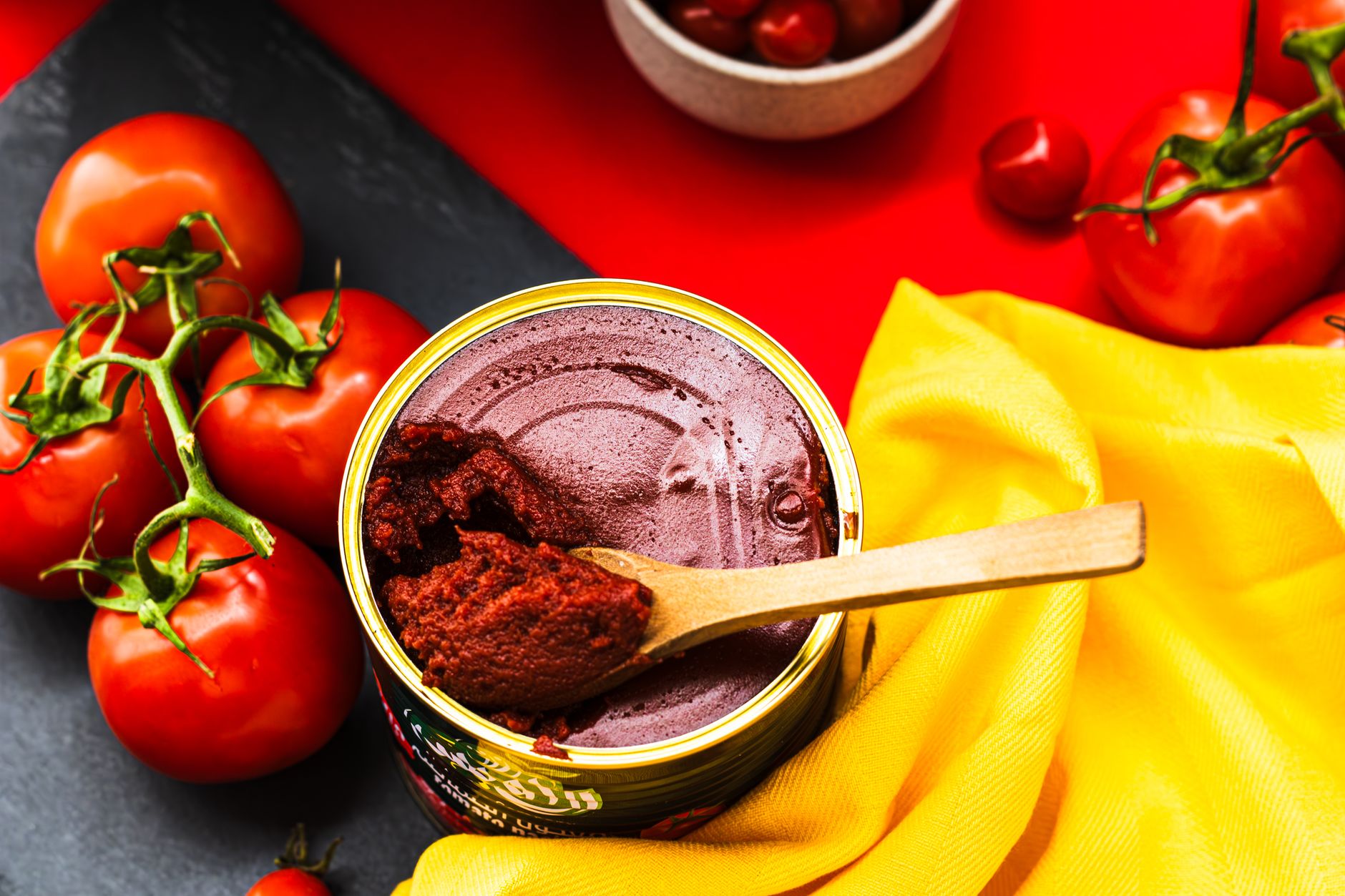
Tomato paste is a staple ingredient in many kitchens, celebrated for its rich flavor and versatility in cooking. However, once opened, its shelf life can raise questions. Many home cooks wonder, “How long is tomato paste good for in the fridge?” Understanding proper storage methods and signs of spoilage will ensure the best quality and taste in your dishes.
This article explores the storage life of tomato paste, ideal ways to store it, and tips for maximizing its usage. With this information, you can confidently keep your tomato paste fresh and flavorful for when you need it most.
How Long Is Tomato Paste Good For in the Fridge?
Once opened, tomato paste can typically last in the refrigerator for about 5 to 7 days when stored correctly. The exact duration can depend on several factors, including the paste’s original quality, storage method, and hygiene during handling.
Understanding Tomato Paste
Tomato paste is made by cooking tomatoes for several hours to reduce their water content, resulting in a thick, concentrated product. It is rich in flavor and commonly used in sauces, soups, stews, and various dishes. Given its concentrated nature, even a small amount can impart a robust tomato flavor to your meals.
Factors Affecting the Shelf Life of Tomato Paste
Several factors influence how long tomato paste remains good in the fridge:
- Storage Conditions: Proper storage is key to extending the life of tomato paste. Exposure to air, moisture, and light can accelerate spoilage.
- Packaging: Tomato paste typically comes in cans or tubes. Unopened cans have a longer shelf life compared to opened ones.
- Hygiene: Using clean utensils when scooping out the paste will help prevent contamination and extend its freshness.
- Temperature: The refrigerator should be at a consistent temperature below 40°F (4°C) to keep food safe and fresh.
Signs of Spoilage
Recognizing when tomato paste has gone bad is crucial to avoid consuming spoiled food. Here are some signs to watch for:
- Color Changes: Fresh tomato paste should be a vibrant red color. If you notice a brownish appearance, it may be starting to spoil.
- Odor: A sour or off smell is a clear indicator that the tomato paste is no longer good.
- Mold: If you see any mold on the surface, it’s best to discard the paste immediately.
- Texture: A change in texture, such as excessive separation of liquid or a chalky surface, may indicate spoilage.
How to Store Tomato Paste Properly
Proper storage techniques can help extend the life of tomato paste after opening:
1. Keep It Sealed
After using tomato paste, make sure to seal the can or tube tightly. If you are using canned paste, consider transferring any leftover paste to an airtight container to prevent exposure to air.
2. Refrigerate Immediately
Place the sealed tomato paste in the refrigerator right after use. The cooler temperatures will help slow down the growth of bacteria and mold.
3. Freeze for Longer Storage
If you know you won’t use the tomato paste within a week, consider freezing it:
- Dollop spoonfuls of tomato paste onto a parchment-lined baking sheet.
- Freeze the paste for several hours until solid.
- Transfer the frozen dollops into a freezer-safe container or bag. Label with the date.
- Frozen tomato paste can last up to 6 months.
How to Use Leftover Tomato Paste
Rather than letting your leftover tomato paste sit untouched, consider these ideas to use it in your cooking:
- Soups and Stews: Add a spoonful of tomato paste to soups and stews for added richness.
- Homemade Sauces: Incorporate it into pasta sauces or pizza sauce for enhanced flavor.
- Marinades: Use tomato paste as a base for marinades, mixing it with herbs and spices.
- Chili and Curries: Tomato paste adds depth to chili dishes and curries.
Common Mistakes to Avoid
When handling tomato paste, there are a few pitfalls to avoid to ensure its longevity:
- Using Dirty Utensils: Always use a clean spoon to scoop out the paste. Contamination can lead to spoilage.
- Leaving It Uncovered: Leaving the paste uncovered in the fridge can introduce air and contribute to spoilage.
- Ignoring Expiration Dates: Always check the expiration date on unopened cans or tubes, and don’t keep opened products for longer than suggested.
Related Tomato Products and Their Storage
Understanding the shelf life of related products can also be helpful:
Tomato Sauce
Once opened, tomato sauce generally lasts about 5 to 7 days in the fridge, similar to tomato paste. It can also be frozen for extended storage.
Diced Tomatoes
Open canned diced tomatoes can typically last for 5 to 6 days in the refrigerator as well.
Sun-Dried Tomatoes
Sun-dried tomatoes should be stored in a dry, cool place. Once opened, they can last in the fridge for about 2 weeks, but always check for signs of spoilage.
Using Tomato Paste in Recipes
Tomato paste can be an essential ingredient in various recipes. Here’s a brief breakdown of how it can influence different types of dishes:
1. Sauces
Tomato paste is commonly used in marinara and Bolognese sauces. Its thick consistency allows the sauce to have a robust texture and deeper flavor.
2. Dips
In dips like bruschetta or tomato-based salsa, tomato paste can offer a thick, rich background flavor.
3. Baking
While not as common, some baked goods such as savory breads or pizzas may incorporate tomato paste to add moisture and flavor.
Final Thoughts on Tomato Paste Storage
Storing tomato paste properly ensures its rich flavor enhances your dishes rather than detracts from them. With a few simple practices, you can extend its life in the refrigerator or even freeze it for future use. Always check for signs of spoilage before using, and look for creative ways to repurpose leftovers in your cooking.
For more tips on keeping your ingredients fresh, check out how long cooked ground beef lasts in the fridge and how long cottage cheese lasts after opening.