
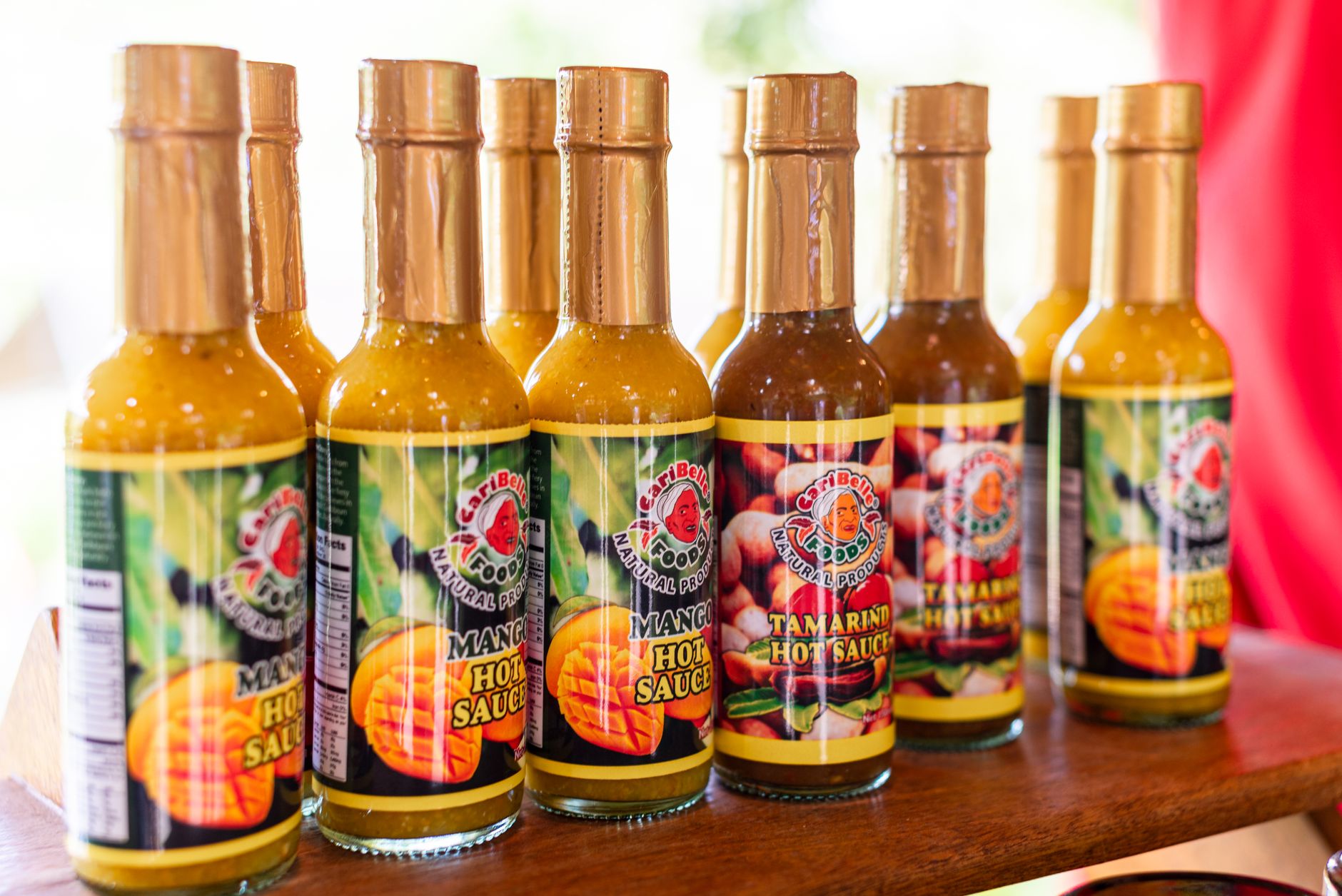
Hot sauce is a beloved condiment that adds zest to countless dishes, from tacos to pizzas. However, many people are unsure how long this fiery staple remains good for, especially after opening a bottle. Understanding the shelf life of hot sauce can help you avoid wasting food and ensure the best flavor in your meals.
This article will explore the shelf life of hot sauce, storage recommendations, and tips for determining if your hot sauce is still good to use. By the end, you’ll be well-equipped to manage your hot sauce stash like a pro!
How Long Is Hot Sauce Good For?
The shelf life of hot sauce can vary significantly based on its ingredients, production methods, and storage conditions. In general, unopened hot sauce can last for about two to three years in your pantry, while opened hot sauce is typically good for about six months to a year when stored properly. However, many sauces can last well beyond their recommended time, thanks to their acidity and preservation methods.
Factors Influencing Hot Sauce Shelf Life
Several factors can affect how long your hot sauce stays fresh. Here are the main elements to consider:
- Acidity: Most hot sauces are quite acidic due to vinegar content, which acts as a natural preservative. Higher acidity usually means a longer shelf life.
- Ingredients: The type of ingredients used may affect shelf life. Pure pepper sauces with minimal additives tend to last longer than those with more organic ingredients.
- Storage Conditions: How and where you store your hot sauce matters. Room temperature, humidity levels, and light exposure can all affect its longevity.
- Added Preservatives: Commercial companies often add preservatives that help extend the shell life of their products.
Unopened Hot Sauce: Duration and Storage Tips
Unopened hot sauce can typically last anywhere from two to three years in the pantry. The specific timeframe may vary based on the brand and ingredient list, so always keep an eye on the best-by date.
To maximize the shelf life of your unopened hot sauce:
- Keep it Cool: Store hot sauce in a cool, dark place away from direct sunlight and high heat, which can degrade its quality.
- Avoid Unstable Temperatures: Fluctuating temperatures can negatively impact the sauce. Aim for a consistent, cool environment.
Opened Hot Sauce: Duration and Storage Tips
Once opened, hot sauce typically remains good for six months to a year. However, some brands claim their sauces are good for up to two years after opening if stored correctly.
To prolong the life of your opened hot sauce:
- Refrigeration: While not always necessary, refrigerating hot sauce can help preserve its flavor and freshness for a longer period, especially for those made with more natural ingredients.
- Seal Well: Make sure the bottle is tightly sealed after each use. This reduces exposure to air and contaminants.
- Clean Nozzle: Wipe the nozzle after use to prevent any contamination of the sauce, which is essential for maintaining freshness.
How to Tell if Hot Sauce Has Gone Bad
While hot sauce often has a long shelf life, it can still spoil over time. Here are some signs to look out for:
1. Changes in Appearance
If you notice any unusual separation, floating particles, or discoloration, it may indicate that the sauce has spoiled. A darkening of color can sometimes happen due to oxidation, but if the change is significant, consider discarding it.
2. Off Smell
Fresh hot sauce should have a robust, peppery aroma. If you detect sour, rancid, or otherwise strange smells, it’s a sign the sauce may no longer be good.
3. Odd Taste
If you taste your hot sauce and notice a weird or off-putting flavor that’s distinctly different from its original profile, it’s best to err on the side of caution and throw it out.
4. Expiration Date
Always check the best-by or expiration date. If it’s past the date provided, consider its other indicators along with this guideline before using it.
Tips for Storing Hot Sauce
Proper storage can significantly affect the longevity and flavor of your hot sauce. Here are some additional tips:
- Use Dark Containers: If you’re making homemade hot sauce, consider using dark glass bottles. They protect the contents from light, which can break down some ingredients.
- Store Upright: Keep hot sauce bottles upright to prevent leaks and ensure the best preservation.
- Use Clean Utensils: Never use dirty spoons or utensils to scoop out hot sauce. Always pour or use a clean tool when removing sauce from the bottle.
Homemade Hot Sauce: Shelf Life and Storage
If you make your hot sauce at home, the shelf life can be shorter than store-bought varieties, depending on the ingredients and preservation methods. Generally, homemade sauces made with fresh ingredients should be stored in the refrigerator and consumed within one month.
To extend the life of homemade hot sauce:
- Use Vinegar: Incorporating vinegar will help in preservation due to its acidity.
- Seal in Sterile Containers: Store your hot sauce in sterilized glass jars or bottles to minify contamination risks.
Common Mistakes with Hot Sauce
Even with proper storage, there are common mistakes to avoid with hot sauce:
- Improper Closing: Failing to properly close the bottle can lead to oxidation and off-flavors.
- Mixed Ingredients: Mixing different hot sauces or diluting them with other ingredients can introduce bacteria and spoilage.
- Storing Near Heat Sources: Places near the stove or oven can cause temperature fluctuations, which is not ideal for preserving sauces.
Flavor Profiles of Various Hot Sauces
Understanding the unique flavor profiles of different hot sauces can entice you to experiment further. Here are a few popular types:
1. Tabasco
This vinegar-based hot sauce from Louisiana has a tangy flavor with a slight sweetness, making it perfect for enhancing dishes like gumbo or jambalaya.
2. Sriracha
This Thai sauce is a blend of chili, garlic, sugar, and vinegar, providing a sweet and spicy flavor. It’s popular as a dipping sauce and works well in pho or on grilled meats.
3. Frank’s Red Hot
Famous for its use in Buffalo wings, this sauce has a smooth, balanced flavor that isn’t overwhelmingly hot, making it versatile for those who prefer mild heat.
4. Cholula
This Mexican hot sauce has a mild kick marked by a flavor profile that blends various peppers and spices. It can be found drizzled over tacos, eggs, and even pizza.
Recipe Idea: Homemade Hot Sauce
If you’re interested in making your hot sauce, here’s a simple recipe to try. This recipe yields about one cup of sauce and takes around 30 minutes total.
Ingredients
- 12 fresh peppers (jalapeño, habanero, or your choice)
- 1 cup white vinegar
- 1 teaspoon salt
- Optional: garlic for extra flavor
Equipment Needed
- Knife and cutting board
- Blender or food processor
- Glass bottle or jar for storage
- Small saucepan
Method
- Wash and chop the peppers, removing seeds for lesser heat.
- In a small saucepan, combine the chopped peppers, vinegar, and salt. Boil for 10 minutes.
- Allow the mixture to cool slightly, then transfer it to a blender. Blend until smooth.
- Pour the hot sauce into a sterilized bottle or jar and seal it tightly.
- Store the sauce in the refrigerator and use within a month for optimal freshness.
Final Thoughts
Knowing how long hot sauce is good for and how to store it properly can ensure that you always have this flavorful condiment on hand. Proper storage, monitoring for spoilage, and understanding the different types of hot sauce are essential steps to enjoying this beloved food embellishment.
Hot sauce lovers can continue to explore related recipes and cooking tips. Check out whether you need to refrigerate Cholula or try making a sweet and spicy hot honey to elevate your meals!
Explore more related recipes: Do You Need to Refrigerate Cholula?, Hot Honey Recipe.