
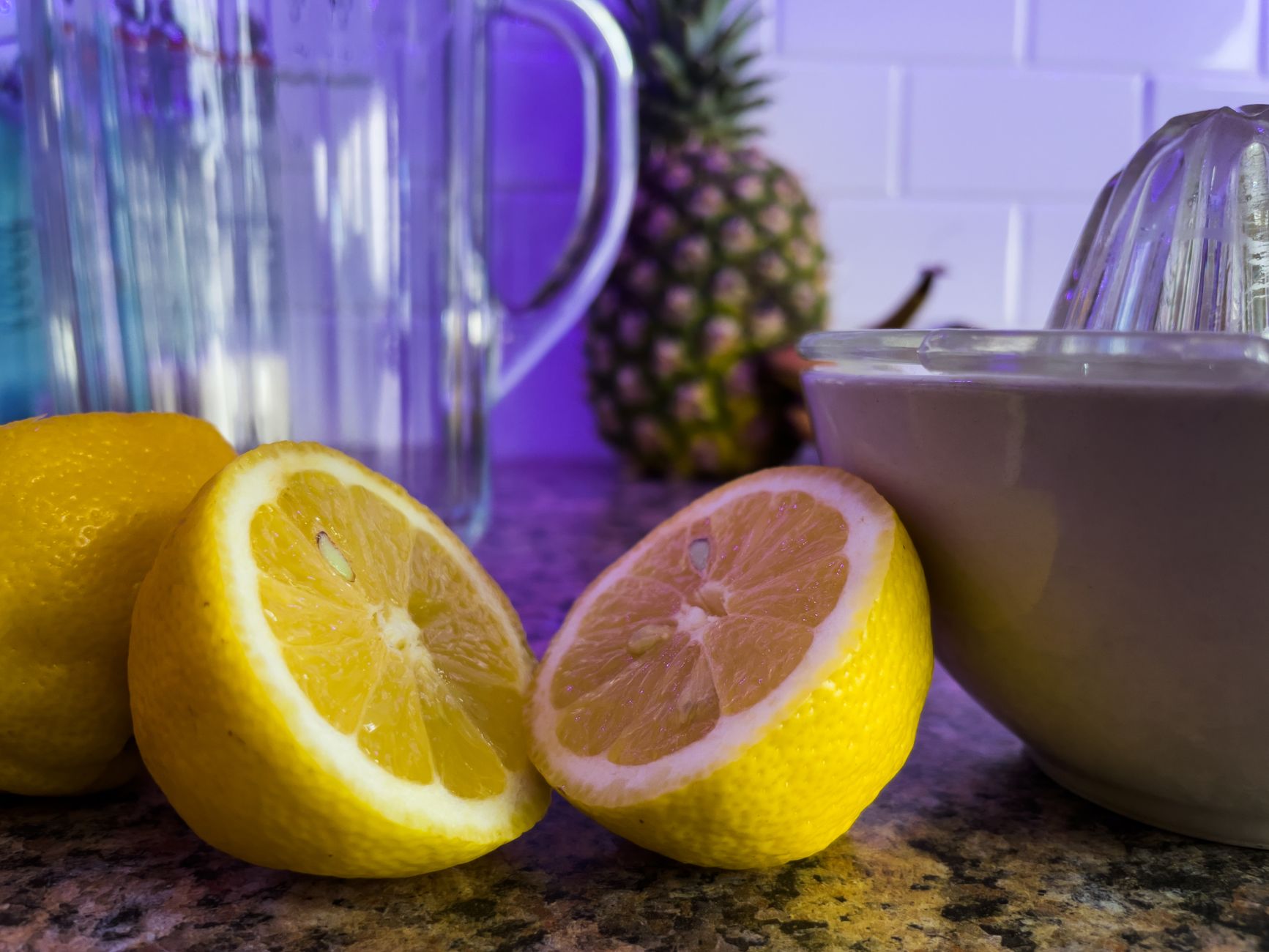
Fresh lemon juice is a staple in many kitchens, used in a variety of dishes, beverages, and dressings. But how long can you store this zesty liquid before it loses its vibrancy and safety? Understanding the shelf life of fresh lemon juice helps you maintain the quality, flavor, and safety of your culinary creations.
This article delves into how long fresh lemon juice is good for, the factors affecting its longevity, storage tips, and nutritional benefits. Grasping these concepts will ensure you make the most of this tangy ingredient.
How Long Is Fresh Lemon Juice Good For?
Fresh lemon juice, when properly stored, typically remains good for about three to four days in the refrigerator. However, there are variables at play, including the storage conditions and the initial quality of the lemons.
Factors Influencing Fresh Lemon Juice Shelf Life
Several factors can affect the longevity of fresh lemon juice. Becoming familiar with these elements can help you maximize its use and ensure it remains fresh for a longer period.
Quality of the Lemons
The freshness and ripeness of the lemons used play a significant role. Lemons that are firm, heavy, and brightly colored are generally fresher and yield juice that stays good longer.
Storage Conditions
The manner in which you store lemon juice has a direct impact on its shelf life. Exposure to air, light, and contaminants can shorten its longevity. Sealing the juice in an airtight container is crucial.
Temperature
Storing fresh lemon juice in the refrigerator slows down the growth of spoilage organisms. Keeping it at a consistent, cool temperature is essential for maintaining its freshness.
Signs of Spoilage in Fresh Lemon Juice
To ensure safety when using fresh lemon juice, recognize the signs of spoilage. Here are key indicators to look out for:
- Color Change: Fresh lemon juice is a bright yellow; if it turns cloudy or darker, it’s a sign of spoilage.
- Off Odor: Fresh lemon juice has a sharp, citrus aroma. Any strange or unpleasant smells indicate it may no longer be safe.
- Flavor: If the juice tastes increasingly bitter or has a flat flavor, it may have passed its prime.
- Separation: While some separation can occur naturally, excessive separation or sediment can signify spoilage.
How to Store Fresh Lemon Juice
Proper storage is key to extending the shelf life of fresh lemon juice. Here are some effective methods for storing it:
Refrigeration
The most straightforward method is refrigeration. Store freshly squeezed lemon juice in a clean, airtight container. Glass jars or plastic containers with secure lids work best. Fill the container to the top to limit air exposure.
Freezing
If you have excess lemon juice that you won’t use within a few days, freezing is an excellent option. Here’s how to do it:
- Pour the Juice: Pour the fresh lemon juice into ice cube trays.
- Freeze: Allow the juice to freeze completely, which usually takes a few hours.
- Transfer: Once frozen, transfer the cubes to a freezer bag or airtight container. Label it with the date.
- Use as Needed: You can pop out a cube or two whenever you need lemon juice for recipes or drinks.
Nutritional Benefits of Fresh Lemon Juice
Fresh lemon juice not only adds flavor to dishes but also offers several nutritional benefits:
- Rich in Vitamin C: Lemon juice is an excellent source of vitamin C, which supports the immune system and aids in collagen production.
- Antioxidants: It contains antioxidants that fight free radicals in the body.
- Hydration: Adding lemon juice to water enhances hydration, making it more palatable and refreshing.
- Improved Digestion: Lemon juice can stimulate the production of digestive juices, promoting healthy digestion.
How to Use Fresh Lemon Juice in Cooking
Fresh lemon juice can enhance a variety of dishes. Here are some common culinary applications:
Salad Dressings
Lemon juice adds brightness to salad dressings. Combine with olive oil, salt, and pepper for a simple vinaigrette. Experiment with other ingredients like honey, mustard, or herbs for more complex flavors.
Marinades
Use lemon juice as a base for marinades to tenderize meats and infuse them with flavor. Combine with garlic, herbs, and spices for delicious results.
Beverages
Lemon juice is a classic ingredient in beverages like lemonade and cocktails. It can also brighten up iced tea or sparkling water.
Desserts
Add lemon juice to desserts such as lemon bars, cakes, or sorbet for an exciting citrus twist that balances sweetness.
Common Mistakes When Using Fresh Lemon Juice
To get the best flavor and benefits from fresh lemon juice, avoid these common pitfalls:
- Using Bottled Juice: Bottled lemon juice often contains preservatives and lacks the fresh flavor of newly squeezed juice.
- Overusing: While lemon juice enhances flavor, too much can overpower the other ingredients in a dish.
- Improper Storage: Failing to store lemon juice properly can lead to quicker spoilage. Always seal and refrigerate.
Practical Substitutions for Fresh Lemon Juice
In some recipes, fresh lemon juice is irreplaceable for its flavor and acidity. However, if you’re in a pinch, consider these substitutions:
- Bottled Lemon Juice: Use bottled lemon juice in a 1:1 ratio, but be aware it may contain preservatives.
- Lime Juice: Lime juice can be used as a substitute in equal amounts for a similar citrus flavor.
- Vinegar: For dressings or marinades, you can substitute white wine vinegar or apple cider vinegar, though the flavor profile will differ.
Conclusion
Fresh lemon juice is a versatile ingredient whose shelf life is influenced by various factors, including storage and quality. When stored correctly, it typically lasts for 3 to 4 days in the refrigerator or can be frozen for future use. Incorporating fresh lemon juice into your meals not only enhances flavor but also provides valuable nutrients.
For more delicious recipes and helpful cooking tips, don’t hesitate to explore related articles like how long cottage cheese lasts after opening or try making homemade lemon pepper seasoning.