
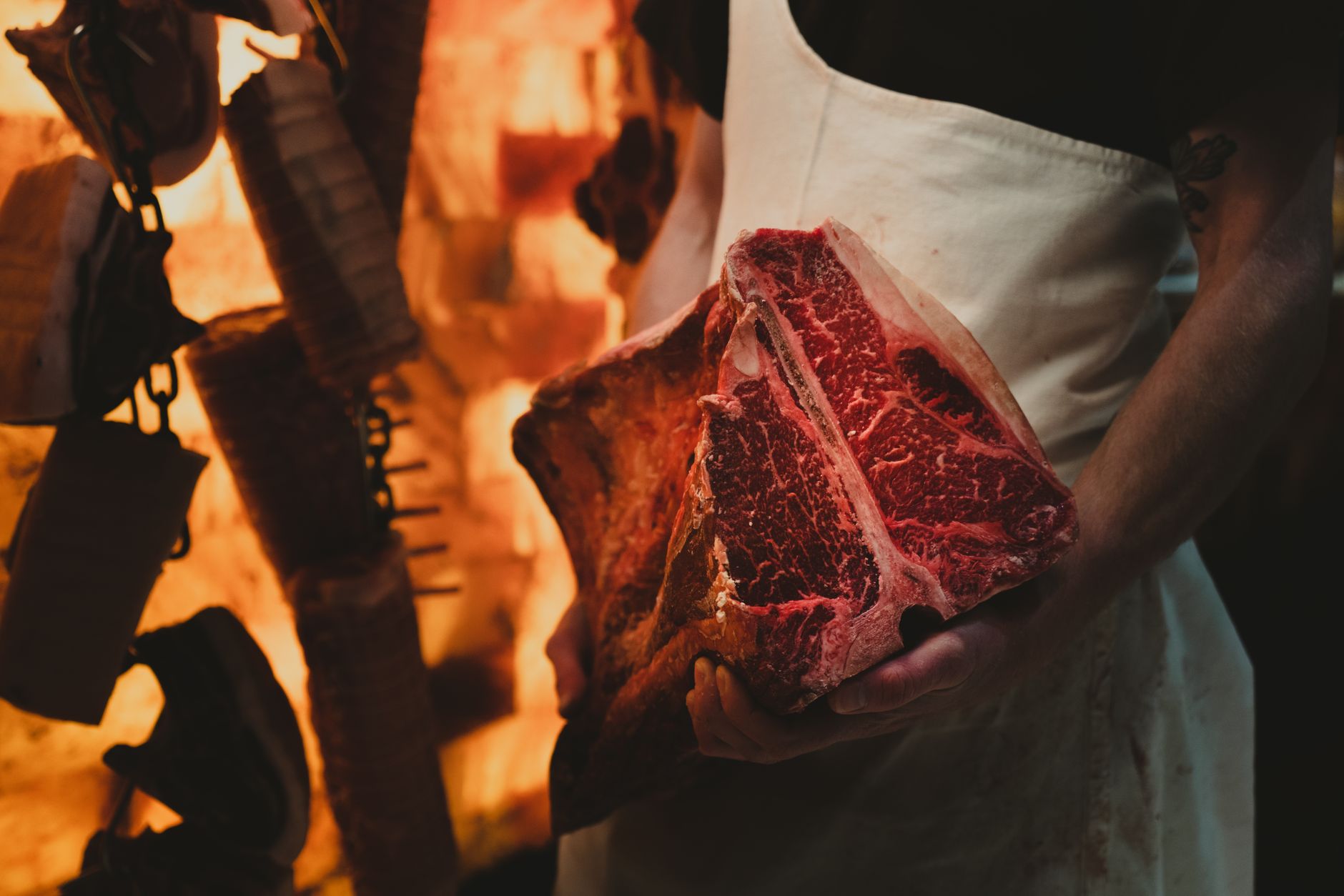
Cooked beef is a staple in many kitchens due to its versatility and rich flavors. However, understanding how long it remains safe and enjoyable to consume is vital for both food safety and quality. This article covers essential guidelines for storing cooked beef, addresses various types of beef, and provides tips for achieving optimal doneness.
From roast beef to ground beef, knowing how long cooked beef lasts helps you plan meals effectively, reduce waste, and ensure the best taste in every bite. Let’s dive into the details of how long cooked beef is good for, along with helpful tips and best practices.
How Long Is Cooked Beef Good For?
Cooked beef can be safely stored in the refrigerator for about 3 to 4 days. If frozen, it can last for about 4 to 6 months without significant loss of quality. Proper storage and handling are essential to maintain its taste and safety.
Understanding the Basics of Cooked Beef Storage
Storing cooked beef properly not only extends its shelf life but also prevents the growth of harmful bacteria. Here’s what you need to know:
The Importance of Storage Temperature
Cooked beef should be stored at the right temperature to inhibit bacterial growth. The USDA recommends keeping the refrigerator temperature below 40°F (4°C) and the freezer at 0°F (-18°C) or lower.
Packaging Tips
- Use airtight containers or heavy-duty aluminum foil to minimize exposure to air.
- Label containers with the date to easily track storage time.
- Avoid packing beef too tightly; allow space for air circulation in containers.
Different Types of Cooked Beef and Their Storage Times
Not all cooked beef is the same, and different cuts or preparations might affect storage times slightly. Here’s a closer look at common types:
Ground Beef
Cooked ground beef can last 3 to 4 days in the refrigerator. If frozen, it can remain good for 3 to 4 months. This category includes dishes like chili, tacos, and spaghetti sauce.
Beef Roast
A cooked roast, such as prime rib or pot roast, can also be stored for 3 to 4 days in the fridge and can stay frozen for up to 6 months. Slicing the roast before storage can help it cool faster and store more efficiently.
Beef Steaks
Cooked steak, whether grilled or pan-seared, has a refrigerator shelf life of 3 to 4 days. When frozen, it can be kept for 6 to 12 months, depending on the cut and how well it is wrapped.
Beef Jerky
Homemade cooked beef jerky can last 1 to 2 months in the refrigerator. However, commercially-produced jerky often contains preservatives and can last much longer. Always check the packaging for best-by dates.
Signs of Spoiled Cooked Beef
Prioritize food safety by being able to identify when cooked beef has gone bad. Here are some indicators:
- Smell: A sour or off odor is a clear sign that the beef has spoiled.
- Texture: If the beef feels slimy or sticky, it is no longer safe to eat.
- Color: Any discoloration, such as gray or greenish hues, can indicate spoilage.
- Mold: Any visible mold shows that the beef must be discarded immediately.
Tips for Reheating Cooked Beef
When it’s time to enjoy leftovers, reheating cooked beef requires some care to maintain flavor and safety:
Reheating Methods
- Oven: Reheat in an oven set to 350°F (175°C) for approximately 20–30 minutes until the internal temperature reaches 165°F (74°C).
- Stovetop: Use medium heat in a skillet with a little broth or water to prevent drying out. Stir occasionally until warmed through.
- Microwave: Place in a microwave-safe dish, cover, and reheat in 30-second intervals, stirring between intervals, until heated to 165°F (74°C).
Ideal Internal Temperature
To ensure safety when reheating cooked beef, an internal temperature of 165°F (74°C) should be reached. Using a food thermometer is the best way to check temperature.
General Cooking Tips for Beef
To maximize the quality and safety of cooked beef, it’s essential to start with proper cooking techniques. Here are a few useful tips:
Choosing the Right Cut
Selecting the right cut of beef for your dish can affect both flavor and tenderness. Popular options include:
- Ribeye: Rich flavor and marbling, great for grilling or pan-searing.
- Sirloin: Lean with good flavor, suitable for stovetop cooking.
- Chuck: Excellent for slow cooking or braising due to its connective tissues.
Using a Meat Thermometer
Investing in a digital meat thermometer can help achieve perfect doneness. Here are the recommended safe cooking temperatures for different types of beef:
| Beef Type | Safe Cooking Temperature |
|---|---|
| Ground beef | 160°F (71°C) |
| Steaks and roasts | 145°F (63°C) |
| Poultry and beef combinations | 165°F (74°C) |
Common Cooking Mistakes to Avoid
To ensure your beef is flavorful, tender, and safe, avoid these common mistakes:
- Not preheating the pan: Always preheat before adding meat—not doing so can result in uneven cooking.
- Cooking at too high a temperature: This can lead to overcooked outer layers while the inside remains undercooked.
- Skipping the resting period: Allow cooked beef to rest for about 5 to 10 minutes before slicing for better juiciness.
Reinvent Leftovers: Creative Ways to Use Cooked Beef
Leftover cooked beef can be transformed into delightful new meals. Here are some ideas:
- Tacos: Shred leftover beef and fill taco shells with fresh toppings.
- Stir-fry: Slice the beef and toss it with vegetables and sauce for a quick stir-fry.
- Beef Fried Rice: Chop cooked beef and mix it with rice, vegetables, and soy sauce for a tasty fried rice dish.
Best Practices for Meal Planning with Cooked Beef
Incorporating cooked beef into meal planning can streamline your week. Consider these strategies:
Batch Cooking
Prepare larger quantities of cooked beef to use throughout the week. Store in suitable portions to make meal assembly quick and easy.
Flavor Pairing
Plan meals that utilize similar seasonings and side dishes to minimize ingredient waste.
Flexible Recipes
Choose recipes that can easily adapt to various types of cooked beef, such as casseroles, salads, or wraps.
Conclusion
Understanding how long cooked beef is good for and applying proper storage methods promotes food safety and minimizes waste. By recognizing the differences between various types of cooked beef and following storage guidelines, you can enjoy this versatile protein in countless dishes.
Explore more about meal planning with cooked ground beef or discover how long is cooked ground beef good in the fridge for extended guidance on using and storing beef effectively. Preparation is key to enjoyable, safe, and delicious meals.