
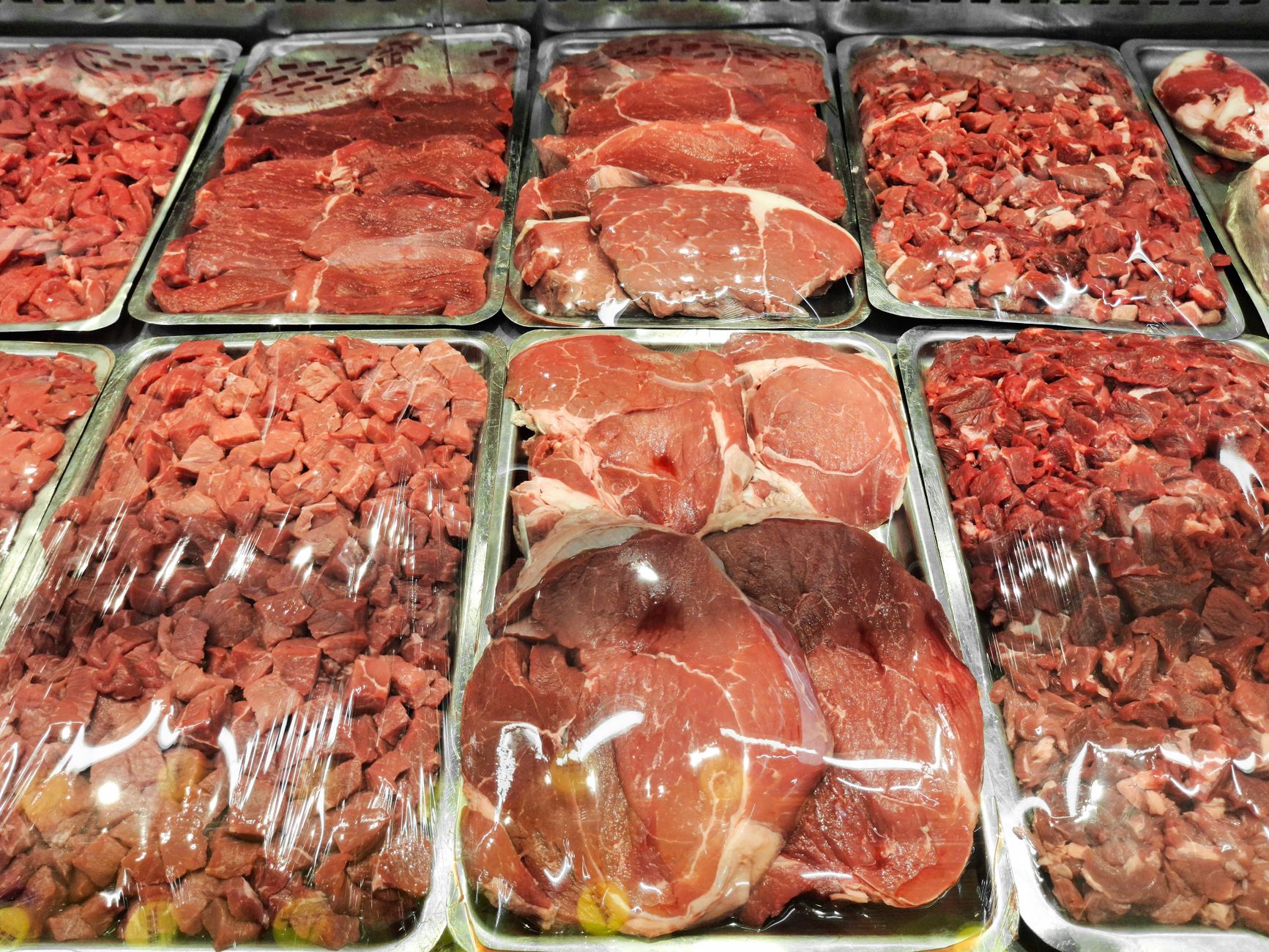
Knowing how long cooked beef is safe to eat is essential for food safety and minimizing waste. Proper storage practices help maintain flavor and texture while ensuring safety for consumption. This guide will discuss factors influencing the shelf life of cooked beef, best storage practices, and how to tell when it’s time to throw it out.
Safe storage of cooked beef is not just about how long it lasts, but also how you handle and store it from the start. Understanding food safety protocols can prevent foodborne illnesses and spoilage, allowing you to make the most of your meals.
How Long Is Cooked Beef Good for in the Fridge?
Cooked beef can typically be stored in the refrigerator for three to four days. This timeframe can vary based on factors such as temperature, how well it was cooked, and how it is stored. It’s important to store your beef in airtight containers or tightly wrapped to prevent contamination.
Factors Affecting Shelf Life of Cooked Beef
Several factors influence how long cooked beef remains safe and palatable:
- Cooking Temperature: Beef must reach a safe internal temperature to kill harmful bacteria. Ground beef should reach 160°F, while whole cuts should hit at least 145°F.
- Storage Temperature: The refrigerator should be set to 40°F (4°C) or lower. Keeping it at the right temperature helps slow bacterial growth.
- Type of Beef: Different cuts may have different moisture levels and fat content, impacting their longevity. Fatty cuts like ribeye may spoil faster than lean cuts like flank steak.
- Initial Handling: How you handle and cool your beef post-cooking affects its lifespan. Rapidly cooling cooked beef before refrigeration helps preserve its quality and safety.
Proper Storage Techniques for Cooked Beef
To maximize the longevity and quality of cooked beef, proper storage techniques are vital. Here are some useful guidelines:
- Cool It Down: Allow cooked beef to cool at room temperature for no more than two hours. This prevents bacteria from multiplying before storing it.
- Store in Airtight Containers: Use air-tight plastic containers or heavy-duty aluminum foil to prevent exposure to air, which can lead to oxidation and spoilage.
- Keep it Separated: If storing cooked beef with other foods, make sure it’s well-wrapped to avoid cross-contamination.
- Label and Date: Always label containers with the date it was cooked. This practice helps keep track of how long items have been stored.
- Make Use of the Freezer: If you anticipate not consuming the cooked beef within the recommended timeframe, consider freezing it. Cooked beef can be stored in the freezer for up to three months without significant loss of quality.
Recognizing Spoiled Cooked Beef
Even when stored properly, awareness of spoilage signs is crucial for ensuring safety. Here’s what to look for:
- Off Odor: If the cooked beef has a sour or off smell, it’s best to discard it.
- Color Changes: Fresh cooked beef is typically a rich brown or gray color. Any unusual discoloration could indicate spoilage.
- Texture Changes: If the beef feels slimy or sticky, this could be a sign of bacterial growth.
- Mold Growth: Visible mold is a clear indicator that the beef should not be consumed.
Reheating Cooked Beef Safely
If you plan to reheat cooked beef, it’s essential to do so properly to ensure food safety. Follow these guidelines:
- Thaw Safely: If frozen, thaw beef in the refrigerator, cold water, or microwave, never at room temperature.
- Reheat to Safe Temperature: Use a food thermometer to ensure it reaches at least 165°F (74°C) to kill any bacteria.
- Avoid Repeated Heating: Only reheat the amount you plan to consume to avoid multiple heating cycles that can compromise safety.
Using Leftover Cooked Beef
Cooked beef can be transformed into numerous delicious dishes, making it easy to incorporate leftovers into other meals. Here are some ideas:
- Tacos or Burritos: Shred or chop cooked beef for use in tacos, burritos, or enchiladas.
- Sandwiches: Thinly sliced cooked beef makes for a hearty sandwich or filling for panini.
- Stir-Fries: Include cooked beef in stir-fries, adding vegetables and sauces for a quick meal.
- Soups and Stews: Cut or shred beef into soups, stews, or chili for added protein and flavor.
Common Mistakes to Avoid
To ensure your cooked beef remains tasty and safe, steer clear of these common pitfalls:
- Not cooling beef promptly before refrigeration can lead to bacterial growth.
- Failing to use airtight containers can expedite spoilage through exposure to air.
- Not noting the date of storage makes it challenging to track the beef’s freshness.
- Refrigerating beef while still hot can raise the overall temperature in the fridge, affecting other stored foods.
Implications of Food Waste
Understanding how long cooked beef and other dishes can last is not just about safety; it also has environmental and economic implications. Food waste contributes significantly to greenhouse gas emissions, and proper food management can not only save money but help the environment.
Being mindful of food storage, planning meals, and transforming leftovers can significantly reduce waste in your household. Aim to utilize any leftovers creatively, minimizing the chance of throwing away perfectly good food.
Frequently Asked Questions
Can I eat cooked beef after five days in the refrigerator?
No, it’s recommended to consume cooked beef within three to four days of cooking to ensure safety and freshness. After that period, the risk of spoilage increases.
How can I tell if cooked beef in the refrigerator is still good?
Check for signs such as off odors, color changes, slime, or mold. If any of these are present, it’s safer to discard the beef.
Is it safe to freeze cooked beef?
Yes, cooked beef can be safely frozen for up to three months. Ensure it is stored in airtight containers to maintain quality.
Conclusion
Knowing how long cooked beef is good for in the refrigerator is essential for safe consumption and better meal management. Following correct storage practices, being aware of signs of spoilage, and taking proper measures when reheating can ensure your cooked beef remains delicious and safe to eat. Shift away from waste by planning meals around leftovers and utilizing your culinary creativity.
Explore more tips on food storage and ensure delicious meals with our guides on how long cooked ground beef lasts and how long cooked chicken lasts.