
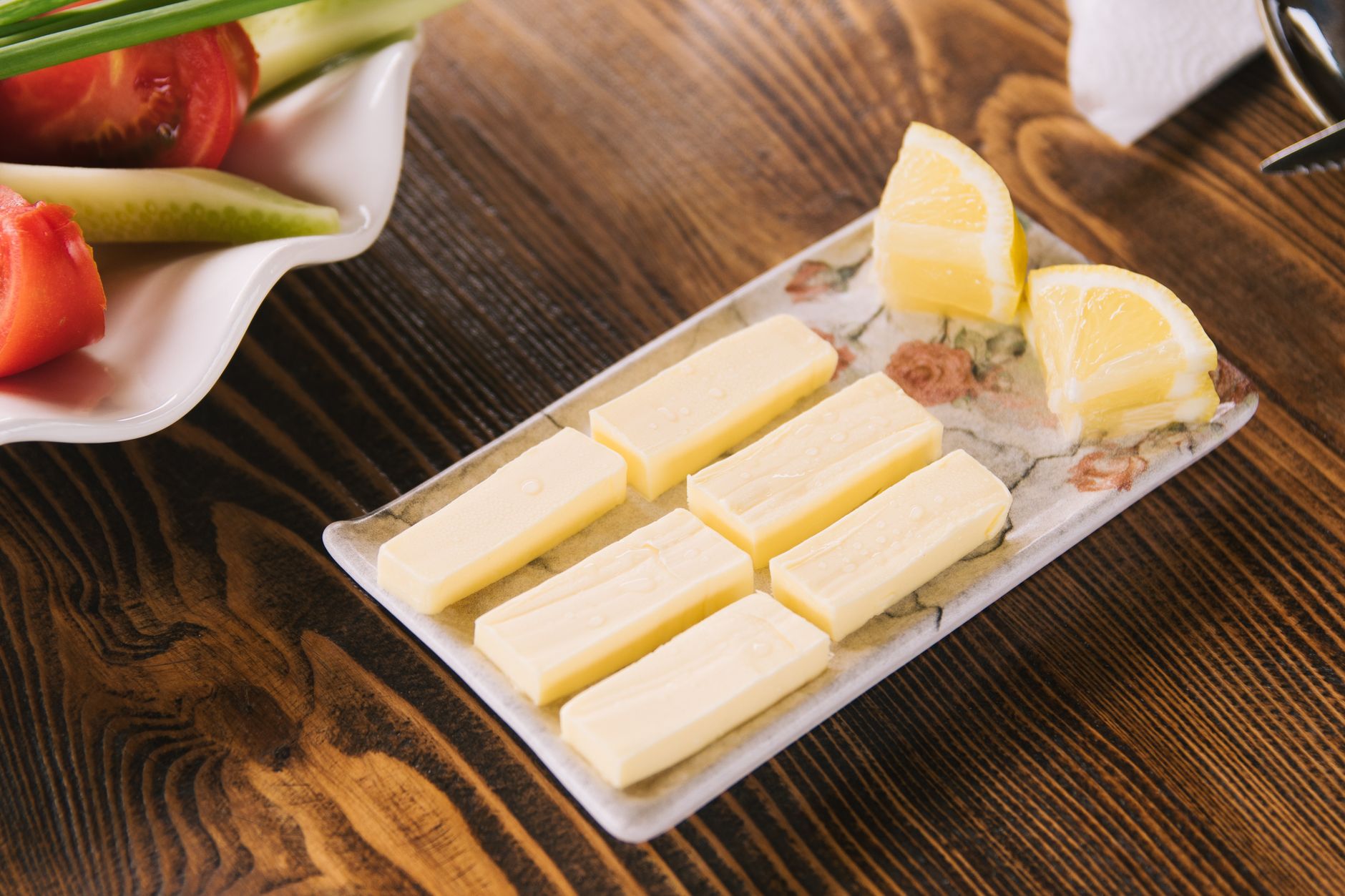
Butter, a beloved staple in many kitchens, plays a crucial role in flavoring dishes, baking, and enhancing a variety of recipes. However, it’s essential to understand how long butter lasts and how to store it correctly to maintain its quality and safety. Knowing the shelf life of butter can prevent waste and ensure you always have this essential ingredient on hand when needed.
This article explores the shelf life of butter, ways to properly store it, signs of spoilage, and tips to extend its usability. Whether you’re a casual home cook or a passionate baker, understanding butter’s longevity can elevate your culinary experience.
How Long Is Butter Good For?
Butter typically lasts for about 1 to 3 months in the refrigerator and up to 6-9 months when frozen. Unsalted butter tends to last longer than salted butter due to the absence of salt, which acts as a preservative. Proper storage is key to ensuring your butter stays fresh for as long as possible.
Types of Butter and Their Shelf Life
Butter comes in several varieties, and each has a slightly different shelf life:
- Salted Butter: Generally lasts longer due to the presence of salt. It can stay fresh in the refrigerator for up to 3 months and can be frozen for up to 6 months.
- Unsalted Butter: Lacks the preservatives that salt provides, so it is best used within 1 to 2 months in the refrigerator and frozen for up to 6 months.
- European-style Butter: This butter has a higher fat content and less water, which may help it last somewhat longer than typical butter. It can usually be refrigerated for about 2 to 4 months.
- Clarified Butter or Ghee: This type has had its milk solids removed, leading to a longer shelf life. It can last up to a year when stored properly in a cool, dark place.
Proper Storage Techniques
To extend the shelf life of your butter, proper storage is crucial. Here are some effective tips:
- Refrigeration: Store butter in its original packaging or in an airtight container to prevent it from absorbing odors from other foods in the fridge. Aim to keep it in the coldest part of the refrigerator, usually near the back.
- Freezing: If you purchase butter in bulk or have leftover butter, freezing is an excellent option. Wrap it tightly in plastic wrap or aluminum foil, then place it in a resealable freezer bag, ensuring as much air as possible is removed.
- Room Temperature: It is possible to keep a small amount of butter at room temperature for about a week. Use a butter dish with a lid to protect it from light and air, and only keep out what you can use within that time frame.
- Avoid Heat and Light: Both can cause butter to spoil quicker. Store it in a cool, dark place if not using the refrigerator or freezer.
Signs of Spoilage
Understanding how to identify spoiled butter is essential for your health and cooking quality. Here are the key signs of butter going bad:
- Off Odor: Fresh butter has a creamy, rich smell. If it emits a sour or rancid odor, it’s time to discard it.
- Discoloration: Good butter should be a consistent yellow or off-white color. Any sign of darkening, especially brown or gray patches, may indicate spoilage.
- Mold or Spoilage Spots: If you notice any mold growing on the surface, this is a clear indication that the butter has gone bad and should be disposed of.
- Texture Changes: Fresh butter is smooth and spreadable. If it feels grainy or has separated, it’s best to toss it.
- Unpleasant Taste: Cooking with spoiled butter will lead to a rancid flavor. If you suspect your butter might be spoiled, taste a small amount before using it in your dishes.
Using Expired or Old Butter
Using butter that is slightly past its prime isn’t always dangerous, but it can affect the quality of your dishes. Here’s what to consider:
- Rancid Flavor: Butter that has gone rancid will impart an unpleasant taste to your food. Check for odor and flavor before cooking.
- Culinary Uses: If the butter isn’t moldy or sour-smelling, you could use it in recipes where it’s heavily flavored or combined with spices, such as in baked goods.
- Health Risks: While eating a small amount of expired butter will likely not cause serious health issues, it’s always best to err on the safe side and avoid it if spoiled.
Extending Butter’s Shelf Life
To keep your butter fresh for as long as possible, consider these additional tips:
- Portion Control: If you frequently use butter, consider dividing it into smaller portions before freezing. This way, you can thaw only what you need at a time.
- Use within Date: Always check the expiration date on butter packaging. Even if unopened, it can start to degrade as the date approaches.
- Vacuum Sealing: For long-term storage, vacuum sealing can help preserve butter by reducing air exposure.
- Herbed Butter: Create compound butters by mixing softened butter with herbs and spices, then freeze in small portions. This not only extends the butter’s life but also enhances your cooking options.
Cooking Techniques Involving Butter
Understanding butter’s properties can help you use it effectively in the kitchen. Here are some common techniques:
Sautéing
Butter is an excellent choice for sautéing vegetables due to its rich flavor. Use medium heat to avoid burning and to allow the butter to melt evenly. If sautéing foods that require a higher temperature, consider adding a little oil to increase the smoke point.
Baking
Butter is a key ingredient in most baked goods, providing moisture and flavor. When baking, the temperature of the butter matters; room temperature butter is best for creaming with sugar, whereas melted butter is great for brownies or cookies.
Emulsifying Sauces
Butter acts as an emulsifier in sauces like hollandaise or beurre blanc. Start with a base and gradually whisk in chilled butter to create a smooth, glossy sauce. Ensure the butter is cold to prevent it from separating.
Common Substitutes for Butter
If you find yourself out of butter, there are several substitutes you can use, keeping in mind how they affect texture and flavor:
- Margarine: A common substitute, margarine can be used in the same measurements as butter but may change the flavor slightly.
- Olive Oil: This works well in savory cooking and baking. Use 3/4 the amount of butter required in a recipe.
- Coconut Oil: Substitute equal amounts of coconut oil for butter in baking or cooking. It will impart a mild coconut flavor.
- Applesauce: For lighter baked goods, replace butter with unsweetened applesauce at a 1-to-1 ratio. This reduces fat content.
- Vegetable Shortening: Use in baked goods as a direct substitute for butter, although it won’t have the same flavor profile.
Conclusion
Understanding the shelf life of butter is essential for any kitchen. Whether you prefer salted, unsalted, or even herb-infused varieties, knowing how to store butter, signs of spoilage, and suitable substitutes can enhance your cooking practices. Always prioritize freshness for the best results in your culinary endeavors.
For further insights into food storage, check out how long cooked ground beef lasts in the fridge or how long does cottage cheese remain safe after opening. These guides will help you extend the enjoyment of your favorite ingredients.