
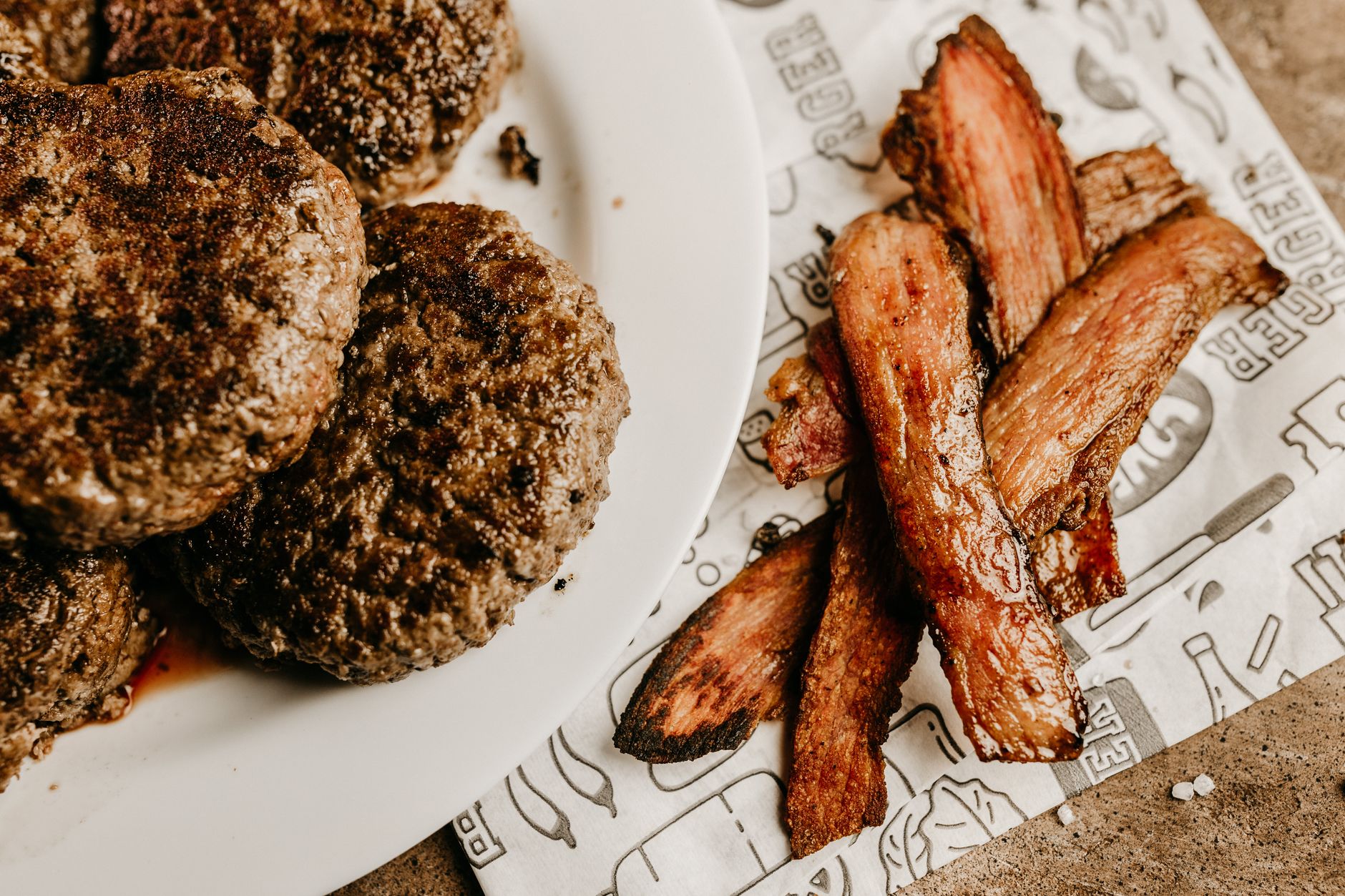
When it comes to cooking bacon, the oven method is one of the easiest and most efficient ways to achieve perfectly crispy slices. Understanding exactly how long to cook bacon in the oven is key to achieving that delicious, golden-brown finish while avoiding the splatter and hassle of frying on the stovetop.
This guide will provide you with all the information you need to know about cooking bacon in the oven, including timing, temperature, tips, and variations. By mastering this technique, you can have perfectly cooked bacon for breakfast, sandwiches, salads, or even as a snack!
How Long for Bacon in the Oven?
The cooking time for bacon in the oven can vary significantly based on several factors, including the thickness of the slices and the desired level of crispiness. Generally, for standard strips of bacon at 400°F (204°C), you can expect to bake them for about 15 to 20 minutes. For thicker cuts, you may need to extend the time to about 20 to 25 minutes.
Preparation and Cooking Steps
Before diving into the specifics of cooking times, let’s outline how to prepare your bacon for baking.
Ingredients
- 8 slices of bacon (regular or thick-cut)
- Parchment paper (optional)
- Baking sheet
Essential Equipment
- Oven
- Baking sheet
- Oven-safe rack (optional)
- Tongs
- Paper towels
Step-by-Step Method
- Preheat the Oven: Preheat your oven to 400°F (204°C). This temperature is optimal for cooking bacon evenly without burning it.
- Prepare the Baking Sheet: Line your baking sheet with parchment paper for easier cleanup. If you want extra crispiness, you can place an oven-safe rack on top of the baking sheet. This allows the fat to drip away from the bacon.
- Arrange the Bacon: Lay the bacon strips out in a single layer on the baking sheet or rack. Ensure the slices do not overlap for even cooking.
- Bake the Bacon: Place the baking sheet in the preheated oven. Cook the bacon for 15 to 20 minutes, checking for your preferred level of crispiness. For thicker bacon, extend the cooking time to 20 to 25 minutes. Always keep an eye on the bacon during the last few minutes to prevent burning.
- Remove and Drain: Once cooked to your liking, use tongs to transfer the bacon to a plate lined with paper towels to absorb excess grease. Let it cool slightly before serving.
Factors Influencing Cooking Time
Several variables can affect how long it takes for bacon to cook in the oven. Here are some of the key factors to consider:
Bacon Thickness
The thickness of bacon plays a significant role in cooking time. Standard bacon typically cooks faster than thick-cut varieties. If you’re using thick-cut bacon, expect to add a few extra minutes to the cooking time.
Desired Crispiness
Your preference for crispiness also influences cooking time. Bacon that is cooked until it is well-done will take longer than bacon that is just cooked through. Determine your ideal doneness by keeping an eye on the bacon towards the end of the cooking process.
Oven Variations
Not all ovens are calibrated the same, which means some may run hotter or cooler than the set temperature. If you notice that your bacon seems to be cooking unevenly or at a different pace than expected, this may be due to your oven’s performance.
Bacon Type
The type of bacon you use can also affect timing. For instance, turkey bacon or plant-based bacon alternatives may require different times and temperatures. Always refer to package guidelines for the best cooking results.
Common Mistakes to Avoid
When cooking bacon in the oven, some people make mistakes that can lead to unsatisfactory results. Here are a few common pitfalls to avoid:
- Overcrowding the Baking Sheet: If you place too many slices of bacon on the sheet, they may not cook evenly. Always leave space between each slice.
- Not Preheating the Oven: Starting with a cold oven can lead to uneven cooking. Always preheat to the desired temperature before adding the bacon.
- Ignoring the Time: Bacon can go from perfectly crispy to burnt quickly. Keep a close eye on the progress as cooking times vary widely.
- Skipping the Drainage: Not draining the excess grease can lead to soggy bacon. Use paper towels or an oven-safe rack for the best results.
Tips for Perfect Oven-Baked Bacon
To ensure you achieve perfectly cooked bacon each time, consider these helpful tips:
- Experiment with Temperature: While 400°F is standard, some prefer lower temperatures for more even cooking. Try adjusting to 375°F (191°C) if you have the time.
- Use a Timer: Set a timer for the recommended cooking time, checking once or twice until you see your desired crispiness.
- Save the Bacon Grease: After cooking, save the rendered bacon fat for cooking or flavoring other dishes. It’s perfect for sautéing vegetables or as a base for sauces.
- Seasoning Options: For a twist on traditional bacon, consider sprinkling brown sugar, black pepper, or even cinnamon on the strips before baking for added flavor.
How Do Variations Affect Cooking Time?
Cooking bacon doesn’t have to be standard. Here are some variations and their implications on cooking time:
1. Candied Bacon
Candied bacon takes the traditional savory flavor up a notch. To make it, sprinkle brown sugar over the bacon before baking. This will add a few extra minutes to your cooking time, approximately 5 to 7 minutes, as the sugar needs extra time to melt and caramelize.
2. Bacon Wrapped Foods
Wrapping vegetables, chicken, or shrimp in bacon is a delicious way to add flavor. These bacon-wrapped items will require longer cooking times—usually an additional 10 to 15 minutes—depending on what you are wrapping.
3. Baked Bacon with Spices
If you plan to add spices like paprika, garlic powder, or hot sauce, there’s no significant change in cooking time. However, keep an eye on the bacon to ensure the spices don’t burn.
Storage and Reheating Tips
Leftover bacon can be stored in the refrigerator or freezer for later use. Here’s how:
Storage
- Refrigerator: Store cooked bacon in an airtight container for up to one week.
- Freezer: For long-term storage, bacon can be frozen. Place bacon slices between layers of parchment paper in a freezer-safe bag for up to three months.
Reheating
Reheating bacon is straightforward; here are a couple of methods:
- In the Oven: Preheat your oven to 350°F (177°C) and bake the bacon on a baking sheet for about 10 minutes, or until heated through.
- In the Microwave: Place bacon slices on a microwave-safe plate lined with a paper towel. Heat in 30-second increments until warm.
Serving Suggestions
Oven-baked bacon can elevate many dishes. Here are some ideas for incorporating it into your meals:
- Breakfast Plates: Serve alongside scrambled eggs, pancakes, or hash browns.
- Sandwiches: Add crispy bacon to BLTs, club sandwiches, or burgers for extra flavor and crunch.
- Salads: Crumble cooked bacon over mixed greens, potato salad, or even Caesar salads for a savory touch.
- Snacks: Enjoy bacon strips on their own or as an appetizer with dipping sauces.
Conclusion
Understanding how to cook bacon in the oven not only allows you to enjoy this beloved ingredient with ease but also presents an opportunity to experiment with flavors and varieties. Whether you’re making a batch for breakfast or adding a crispy finish to your favorite dishes, mastering oven-baked bacon is essential for any home cook. Keep experimenting with timing, temperatures, and recipes to find your ideal version!
For more delicious ideas, check out our recipes for candied bacon and million-dollar bacon. Happy cooking!