
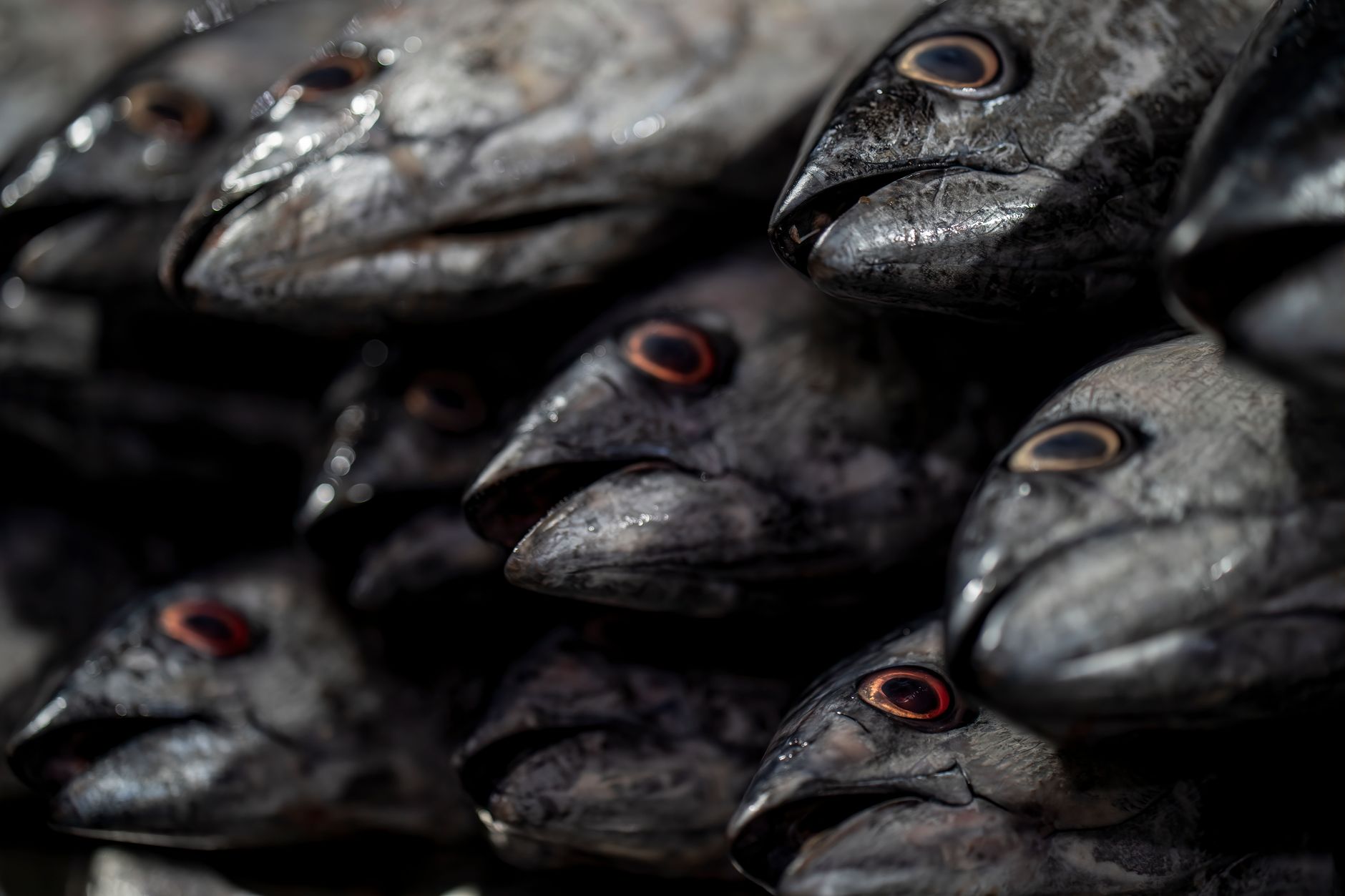
Tuna is a versatile and nutritious ingredient, often found in salads, sandwiches, and various seafood dishes. Knowing how long tuna lasts in the fridge is crucial for food safety and to make the most of this delicious fish. Whether you have fresh, canned, or leftovers, proper storage is essential to maintain quality and prevent spoilage.
This comprehensive guide will explore the shelf life of tuna in different forms, offer storage tips, and provide essential food safety information. Understanding these details will help you enjoy tuna while ensuring your meals are both tasty and safe.
How Long Does Tuna Last in Fridge?
Tuna’s shelf life in the fridge varies based on the type of tuna and its preparation. Fresh tuna generally lasts for 1 to 2 days when stored properly, while canned tuna can last for several years if unopened. Once opened, canned tuna can stay fresh in the fridge for about 3 to 5 days. Understanding these timelines will help you prevent waste and ensure safe consumption.
Types of Tuna
Tuna comes in different varieties, which include fresh, canned, and leftovers from cooked dishes. Each type has its own distinct shelf life and storage requirements.
Fresh Tuna
Fresh tuna, often sold fresh or frozen at fish markets, is prized for its flavor and texture. However, it is also very perishable and should be handled with care.
- Storage Duration: Fresh tuna should be consumed within 1 to 2 days if kept in the fridge. Its freshness and safety can diminish rapidly, particularly if it is not stored correctly.
- Storage Tips: Always place fresh tuna in an airtight container or tightly wrap it in plastic wrap to prevent exposure to air, which can lead to spoilage.
- Visual Cues: Fresh tuna should appear bright red or pink and should not have an overpowering fishy odor. If it appears dull or has a sour smell, it is best discarded.
Canned Tuna
Canned tuna is a pantry staple known for its convenience and shelf stability. It is typically packed in water or oil and can be found in various flavors.
- Storage Duration: Unopened canned tuna can last indefinitely past the sell-by date when stored in a cool, dry place. Once opened, it should be transferred to a container and consumed within 3 to 5 days when refrigerated.
- Storage Tips: Keep opened canned tuna in a tightly sealed container in the fridge to preserve its quality and prevent moisture from getting in.
- Visual Cues: Discard any canned tuna that appears discolored, has a foul odor, or shows signs of rust or swelling in the can.
Leftover Cooked Tuna
Leftover cooked tuna can come from various dishes, including tuna steaks, casseroles, or salads. These dishes can maintain flavor and quality when stored properly.
- Storage Duration: Leftover cooked tuna can last 3 to 4 days in the fridge. Like fresh and canned varieties, exposure to air and moisture should be minimized.
- Storage Tips: Place leftovers in an airtight container and consume them quickly to enjoy the best flavor and texture.
- Visual Cues: Use your senses: if the leftover tuna has an off smell or has taken on a mushy texture, it is time to discard it.
Signs of Spoilage in Tuna
Knowing when tuna has spoiled is critical to avoid foodborne illnesses. Here are some common signs of spoilage to look for:
- Off Odor: Tuna should smell fresh. A strong fishy odor, sourness, or ammonia-like scent indicates spoilage.
- Color Changes: Fresh tuna should be bright red or pink. A dull appearance or discoloration may signal that the fish is no longer fresh.
- Texture Changes: If the texture of the tuna feels slimy or overly mushy, it is best to discard it. Fresh tuna should be firm to the touch.
Storing Tuna Properly
Proper storage methods can extend the shelf life of tuna and ensure it maintains its freshness:
- Refrigeration: Keep the fridge temperature at or below 40°F (4°C). Store tuna in the coldest part of the fridge—typically the back of the bottom shelf.
- Freezing Fresh Tuna: If you want to extend the shelf life of fresh tuna, consider freezing it. Wrap it tightly in aluminum foil or vacuum seal it to prevent freezer burn. Frozen tuna can last up to 6 months in the freezer.
- Avoid Cross-Contamination: Always use clean utensils when handling tuna to prevent cross-contamination with other foods. This is especially important for raw fish.
Tips for Cooking Tuna Safely
When preparing and cooking tuna, following food safety guidelines is essential:
- Thorough Cooking: If using fresh tuna, ensure it is cooked to an internal temperature of at least 145°F (63°C) to ensure safety.
- Handling Fish: Wash your hands and kitchen surfaces thoroughly before and after handling raw fish. This helps avoid spreading bacteria.
- Thawing Frozen Tuna: If you have frozen tuna, thaw it in the refrigerator or cold water, never at room temperature. This prevents harmful bacteria growth.
Using Leftover Tuna
Leftover tuna can be creatively used in various dishes, preventing waste and keeping meal options diverse. Here are some fulfilling ideas:
- Tuna Salad: Combine leftover tuna with mayonnaise, diced celery, onions, and seasonings for a classic tuna salad, perfect for sandwiches or crackers.
- Tuna Pasta Bake: Add tuna to pasta with cheese and vegetables, then bake until bubbly for a comforting dish.
- Tuna Wraps: Wrap tuna in lettuce or tortillas with fresh veggies and your favorite sauce for a quick and healthy meal or snack.
Common Mistakes When Storing Tuna
Avoid these common pitfalls when it comes to tuna storage:
- Leaving Tuna Uncovered: Always ensure that tuna is properly covered to prevent it from drying out and losing quality in the fridge.
- Too Long in the Fridge: Don’t keep tuna longer than the recommended time. If in doubt, throw it out.
- Ignoring Temperature: Keeping your fridge colder than 40°F (4°C) is vital for food safety, and regularly check the temperature if possible.
Comparing Tuna with Other Seafood
Tuna is just one type of seafood. Here’s how its shelf life compares to some common alternatives:
| Seafood Type | Fridge Shelf Life |
|---|---|
| Salmon | 1-2 days |
| Shrimp | 1-2 days |
| Cod | 1-2 days |
| Canned Salmon | 3-5 days (if opened) |
As seen in the table, tuna shares a similar shelf life as many other common seafood types. Keeping track of storage times for all seafood can help maintain both quality and safety in your kitchen.
Conclusion and Next Steps
Understanding how long tuna lasts in the fridge, along with proper handling and storage methods, can enhance your cooking adventures while ensuring safety. Remember to stay vigilant for signs of spoilage, keep your fridge at the right temperature, and get creative with leftovers.
For more insights, check out our articles on how long cooked chicken lasts in the fridge and how long do blueberries last to inform your food storage practices.