
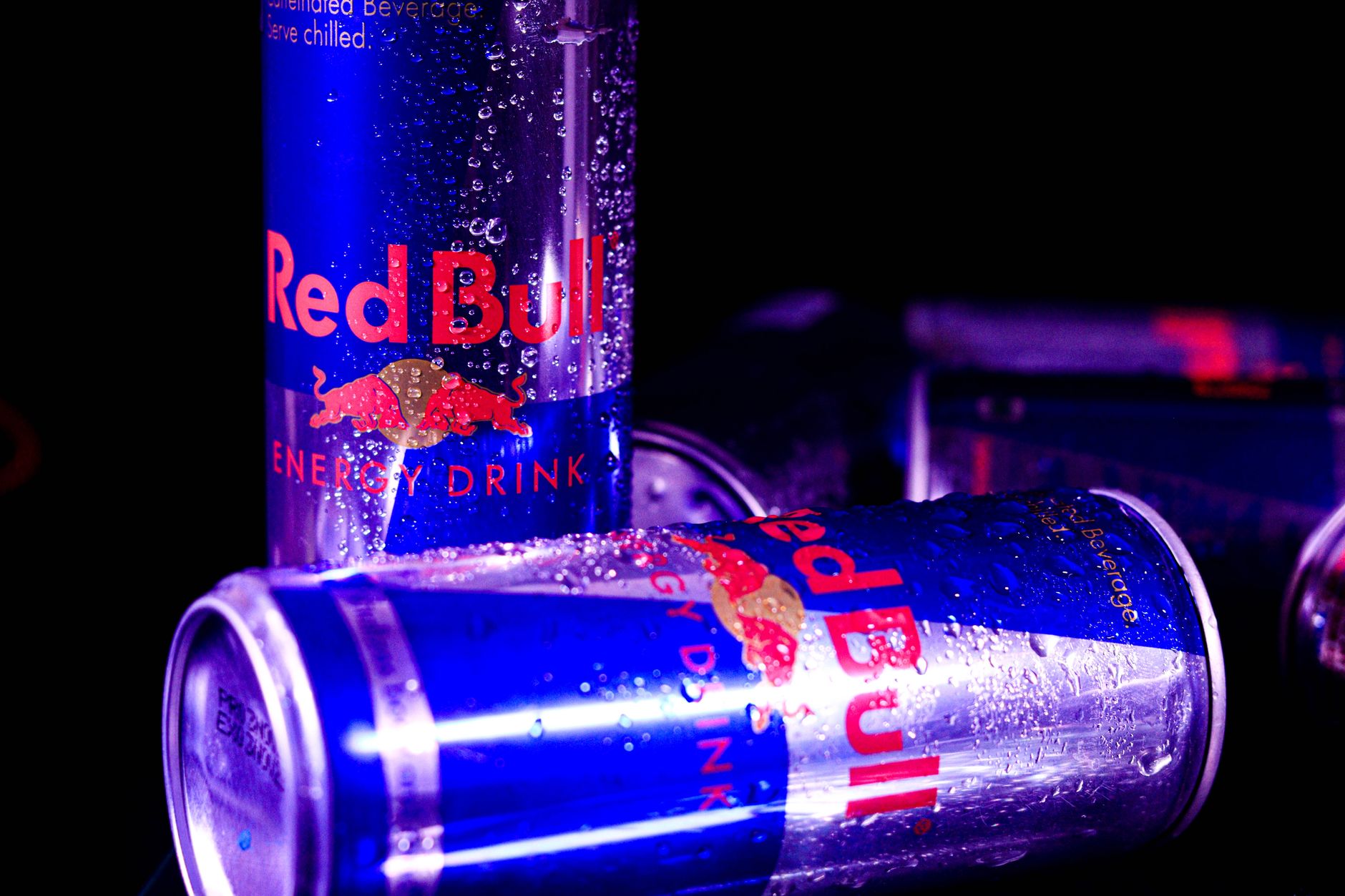
Red Bull is a popular energy drink known for its stimulating effects, often consumed when a quick boost in energy and alertness is needed. Understanding how long it takes for Red Bull to kick in can help you time your consumption for maximum effect.
In this article, we will explore the key ingredients that contribute to its energizing effects, how long it takes for those effects to manifest, and tips for optimal consumption.
How Long Does Red Bull Take to Kick In?
Red Bull typically takes about 10 to 30 minutes to kick in after consumption. The exact timing can vary based on individual metabolism, overall health, and whether it’s consumed on an empty stomach.
Understanding Red Bull’s Ingredients
To appreciate how Red Bull affects the body, it’s essential to understand its core ingredients.
- Caffeine: Each 8.4 fl oz (250 ml) can of Red Bull contains approximately 80 mg of caffeine. Caffeine is a natural stimulant that works by blocking the effects of adenosine, a neurotransmitter that promotes sleep, thus increasing alertness and reducing fatigue.
- Taurine: While its exact effects are still under research, taurine is an amino acid found in energy drinks. It is believed to help increase exercise performance and protect against oxidative stress.
- Vitamins: Red Bull includes B vitamins, such as B3 (niacin), B5 (pantothenic acid), B6, and B12. These vitamins play key roles in energy metabolism, helping the body convert food into energy.
- Sugar: A standard can of Red Bull contains about 27 grams of sugar, which provides a quick source of energy but can also lead to a sugar crash once levels drop.
How Caffeine Affects the Body
Caffeine affects various bodily functions, such as heart rate and blood pressure, and it can enhance mental performance. Here’s how the process typically unfolds:
- Absorption: Caffeine is rapidly absorbed into the bloodstream, peaking in concentration within approximately 30 to 90 minutes of consumption.
- Effects on the Central Nervous System: Within minutes, caffeine improves focus, alertness, and mood, making it a common choice for students and professionals alike.
- Metabolism: Caffeine metabolism can vary greatly among individuals, influenced by genetics, age, body weight, and tolerance. Most people will start feeling alert and energized within 10 to 30 minutes after consumption.
Factors Influencing the Onset of Effects
While Red Bull usually kicks in relatively quickly, several factors can influence how soon you’ll feel its effects.
Individual Metabolism
Everyone’s metabolism works differently. Factors like genetics, diet, age, and hormone levels can all play a role in how quickly caffeine acts on your system.
Consumption Method
How and when you consume Red Bull may also impact its effectiveness. For instance:
- If you drink it on an empty stomach: You may feel the stimulating effects more quickly compared to consuming it after a meal, which can slow absorption.
- Temperature: Some people find that consuming cold drinks can lead to a quicker alertness compared to warm beverages.
Other Dietary Factors
What you eat during the day can affect energy levels. High-carb, high-sugar meals may lead to fatigue, while balanced meals rich in proteins and healthy fats may prolong the energizing effects of Red Bull.
How to Maximize the Effects of Red Bull
To make the most of your Red Bull experience, consider the following strategies:
- Choose the Right Time: Consume Red Bull when you need a quick energy boost, such as before or during a workout, while studying, or when performing tasks that require concentration.
- Stay Hydrated: Ensure you are well-hydrated. Dehydration can dull the energizing effects of caffeine, so drink water alongside any caffeinated beverages.
- Avoid Other Stimulants: Be cautious of overdosing on stimulants. Combining Red Bull with coffee or other energy drinks can lead to side effects like jitters and heart palpitations.
Common Misconceptions About Red Bull
There are several misconceptions surrounding energy drinks like Red Bull. Here’s a quick look at some of the most common:
- Myth 1: Red Bull gives you wings. While it may improve alertness temporarily, it doesn’t replace the need for adequate rest and sleep.
- Myth 2: All energy drinks are the same. In reality, the ingredients and their effects vary from brand to brand.
- Myth 3: Energy drinks are only for athletes. Many people from various walks of life consume energy drinks to counter fatigue or boost concentration.
Potential Risks of Consuming Red Bull
While Red Bull can provide a quick boost, it’s not without risks. Overconsumption can lead to various health issues:
- Increased Heart Rate: The high caffeine and sugar levels can lead to heart palpitations and increased blood pressure.
- Insomnia: Excessive caffeine consumption late in the day can disrupt sleep patterns.
- Dependency: Regular consumption can lead to caffeine dependence and withdrawal symptoms such as headaches and fatigue when not consumed.
Consumption Guidelines
To enjoy Red Bull safely, follow these guidelines:
- Moderate Consumption: Limit yourself to one or two cans per day, especially if you are sensitive to caffeine.
- Avoid Mixing with Alcohol: Mixing Red Bull with alcohol can mask the effects of intoxication, leading to overconsumption of alcohol.
- Check Labels: Always read the labels for additional ingredients or potential allergens.
Alternatives to Red Bull
If you’re looking for alternative ways to boost your energy, consider these options:
- Matcha or Green Tea: These contain caffeine but also provide antioxidants and other beneficial compounds.
- Yerba Mate: A herbal drink that contains caffeine and various vitamins, renowned for its energizing effects.
- Nutritious Snacks: Consuming a balanced snack like fruits, nuts, or yogurt can provide lasting energy without the crash.
When to Choose Energy Drinks
Energy drinks can be a helpful option in specific situations:
- Before Physical Activity: To enhance performance during workouts or sports.
- During Long Drives: For alertness during extended travel.
- During Work or Study Sessions: To maintain focus during tasks requiring concentration.
Summarizing Red Bull’s Effects
In essence, Red Bull can provide a considerable boost to energy levels within 10 to 30 minutes after consumption. However, individual factors can affect this timing significantly. Understanding how Red Bull interacts with your body and making informed decisions regarding its consumption can lead to a more positive experience.
Be mindful of moderation, choose the right time for consumption, and complement your energy drink habit with healthy practices to maximize its benefits while minimizing any associated risks.
If you’re interested in exploring related recipes, check out our full guide on delicious protein coffee recipes or learn about substitutes for vanilla extract to enhance your culinary adventures!