
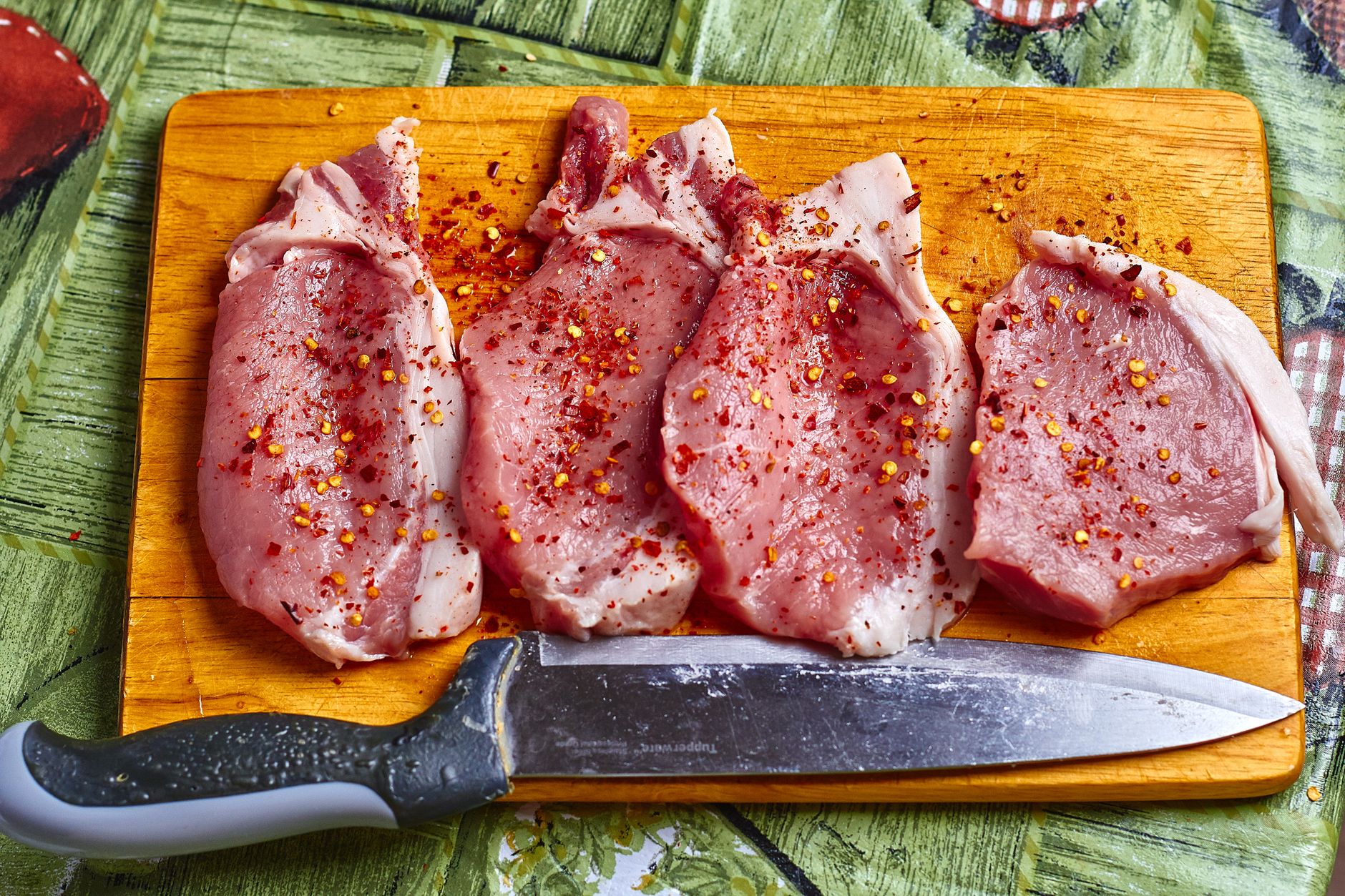
Pork is a popular choice for many households, gracing dining tables in various forms such as chops, roasts, and ground meat. Understanding how long pork lasts in the fridge is crucial for food safety and quality.
By adhering to proper storage techniques, you can ensure that your pork remains safe for consumption while maintaining its flavor and texture. This guide will walk you through everything you need to know about the fridge life of pork.
How Long Does Pork Last in the Fridge?
Pork typically lasts in the fridge for 3 to 5 days when properly stored. This duration can vary based on the cut of meat, how fresh it was at purchase, and storage techniques used.
Types of Pork and Their Storage Durations
Different cuts of pork have different storage durations in the refrigerator. Here’s a breakdown of the most common types of pork and their refrigerator shelf lives:
- Raw Pork (Chops, Roasts, and Ribs): 3 to 5 days
- Ground Pork: 1 to 2 days
- Cooked Pork: 3 to 4 days
- Pork Sausage (Raw): 1 to 2 days
- Pork Sausage (Cooked): 3 to 4 days
Proper Storage Techniques
To maximize the fridge life of pork, following proper storage techniques is essential. Here are some best practices:
1. Refrigerate Promptly
After bringing pork home, make sure to refrigerate it as soon as possible, ideally within two hours. If the room temperature exceeds 90°F (32°C), refrigerate it within one hour to minimize bacterial growth.
2. Use Appropriate Packaging
If the pork is not in its original packaging, wrap it tightly in plastic wrap, aluminum foil, or store it in an airtight container. This helps to minimize air exposure and prevents contamination.
3. Utilize the Bottom Shelf
Store pork on the bottom shelf of the refrigerator to prevent any juices from dripping onto other foods. This reduces the risk of cross-contamination.
Signs of Spoilage
Determining whether pork is still safe to eat involves more than just checking dates. Here are some signs that indicate spoilage:
- Color Change: Fresh pork should be a light pinkish color, while spoiled pork may take on a dull gray or brown hue.
- Unpleasant Odor: Fresh pork has a mild smell. If it emits a sour or pungent odor, that’s a sign it has gone bad.
- Sticky or Slimy Texture: Spoiled pork may feel slimy to the touch, indicating bacterial growth.
- Expiration Date: Always check the sell-by or use-by date on the packaging.
Freezing Pork for Longer Storage
If you want to keep pork for a longer period, freezing is a viable option. Frozen pork can last significantly longer than its refrigerated counterpart:
- Raw Pork (Chops, Roasts, Ribs): Up to 6 months
- Ground Pork: Up to 3 to 4 months
- Cooked Pork: Up to 3 months
- Pork Sausage: Up to 2 months
Freezing Tips
Here are some tips for safely freezing pork:
- Wrap Fully: Use airtight freezer bags or vacuum-seal packages to minimize air exposure.
- Label Packages: Write the date and the type of pork on each package to keep track of storage time.
- Cool Before Freezing: Avoid placing warm pork directly into the freezer. Allow it to cool to room temperature before freezing.
Thawing Frozen Pork Safely
Thawing pork must be done safely to reduce the risk of foodborne illnesses. There are three safe methods to thaw pork:
- Refrigerator Thawing: This is the best method, allowing pork to thaw gradually in the fridge. It might take several hours to a full day, depending on the cut size.
- Cold Water Thawing: Place the pork in a leak-proof plastic bag and submerge it in cold water, changing the water every 30 minutes. This method can take an hour or more.
- Microwave Thawing: You can use the microwave to thaw, but be careful as it might partially cook the meat. Always cook it immediately after thawing this way.
Cooking Pork: Safety Guidelines
To ensure safety when cooking pork, avoid solely relying on color or texture. Use a food thermometer to check the internal temperature:
- Pork Chops, Roasts, and Ribs: Cook to an internal temperature of at least 145°F (63°C) and allow it to rest for 3 minutes before cutting.
- Ground Pork: Cook to an internal temperature of at least 160°F (71°C).
- Pork Sausage: Cook to an internal temperature of 160°F (71°C).
Leftovers: How to Store and Reheat
If you have leftover cooked pork, knowledge of proper storage is key for food safety and to maintain quality. Here’s how to handle cooked pork:
Storing Cooked Pork
Store leftovers in an airtight container in the refrigerator. Cooked pork can last for 3 to 4 days in the fridge. If you want to keep it longer, freezing is a good option.
Reheating Cooked Pork
When reheating cooked pork, be sure to bring the internal temperature back up to 165°F (74°C) to ensure it is safe to eat.
Common Mistakes to Avoid
To prevent spoilage and maintain safety, avoid these common pitfalls:
- Keeping Pork at Room Temperature: Don’t leave pork out for more than two hours.
- Using Old Packaging: Relying on damaged packaging can lead to contamination.
- Ignoring Signs of Spoilage: Always trust your senses—don’t consume pork that looks or smells questionable.
Practical Tips for Meal Prep with Pork
Pork is versatile and can be an excellent choice for meal prep. Here’s how you can make it easier:
Batch Cooking
Consider batch cooking different cuts of pork and seasoning them in various ways. This method allows for quicker meal assembly throughout the week.
Portion Control
Divide cooked pork into meal-sized portions before fridge storage or freezing, making it convenient to grab what you need.
Flavor Variety
Experiment with marinades or spice rubs before freezing for added flavor in meal prep. Just remember to reduce the marinating time if you plan to freeze after.
Conclusion
Understanding how long pork lasts in the fridge and following proper storage practices will ensure your meals are delicious and safe. Always check for signs of spoilage and remember to use a food thermometer when cooking. For those looking to extend their pork supplies, freezing is a great option. By taking these steps, you can enjoy your favorite pork dishes while minimizing waste and promoting food safety.
For more guidance on food storage and safety, explore our articles on how long is ground beef good for in the fridge and how long does cooked chicken last.