
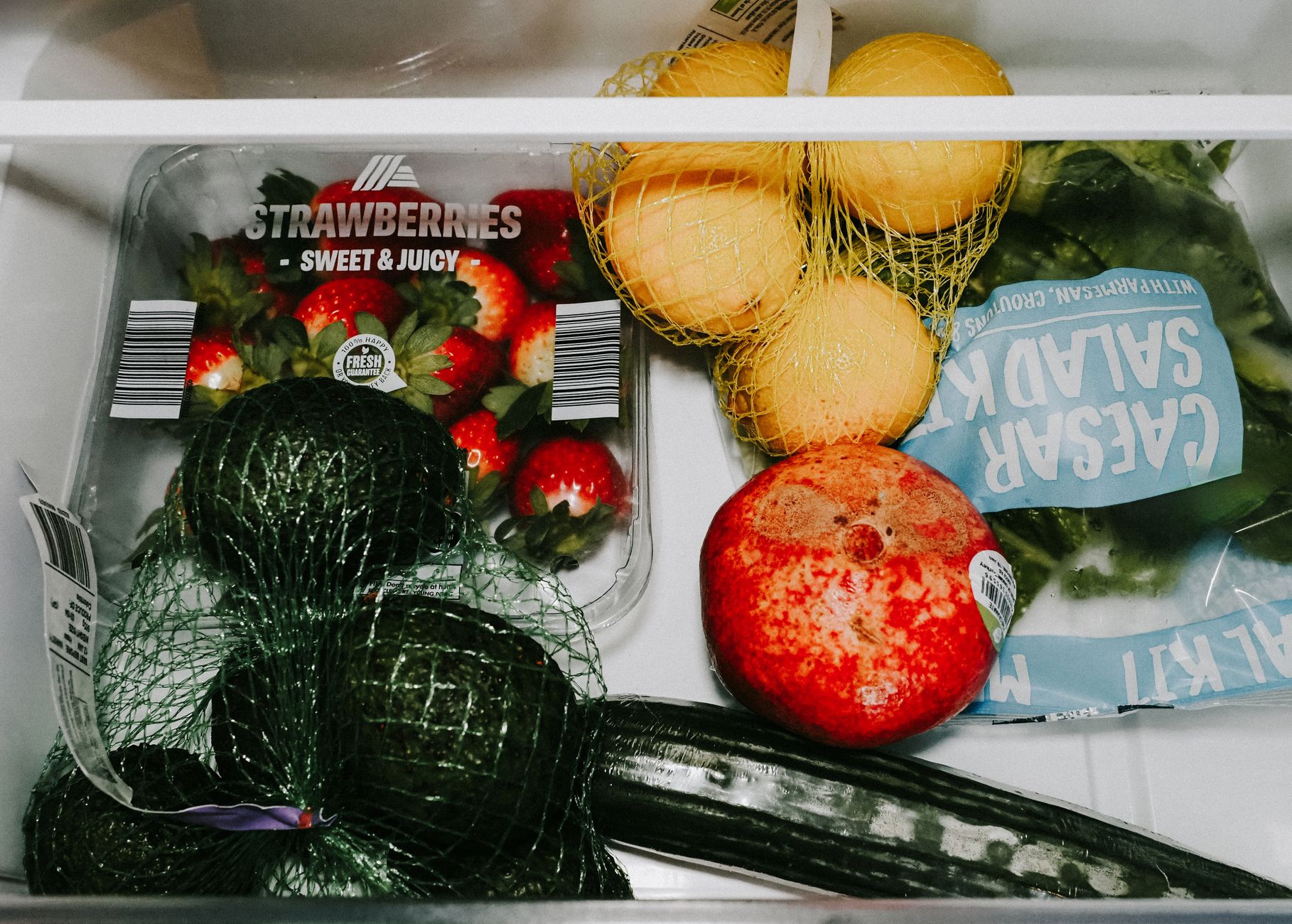
Pomegranates are delicious and versatile fruits, packed with nutrients and flavor. They can be enjoyed on their own, added to various dishes, or juiced for refreshing beverages. However, proper storage is crucial to maximize their shelf life and maintain their quality. Understanding how long pomegranates last in the fridge will help you avoid waste and keep your kitchen stocked with fresh ingredients.
This guide will delve into the storage life of both whole pomegranates and arils, providing tips on how to store them effectively, signs of spoilage, and other useful preservation methods.
How Long Does Pomegranate Last in the Fridge?
Pomegranates can last in the fridge for up to two months if stored properly. Whole pomegranates tend to maintain their freshness longer than arils, which should be consumed within five to seven days when stored in an airtight container. This time frame may vary based on factors such as ripeness, handling, and storage conditions.
Why Proper Storage Matters
Proper storage of pomegranates not only extends their shelf life but also preserves their flavor and nutritional value. Pomegranates are high in antioxidants, vitamins, and fiber, making them a healthy addition to your diet.
Improper storage can lead to spoilage, resulting in a loss of both taste and health benefits. Knowing the correct storage techniques will help you enjoy this superfruit to the fullest.
Storing Whole Pomegranates
Ideal Conditions
When storing whole pomegranates, keep the following in mind:
- Temperature: Pomegranates should be stored in the fridge at a temperature between 32°F and 40°F (0°C to 4°C).
- Environment: Keep them in the crisper drawer or a cool and dark place in your refrigerator. Avoid storing near ethylene-producing fruits like apples or bananas, as this can accelerate ripening.
- Moisture: Ensure the pomegranates are dry before storage, as moisture can promote mold growth.
How to Store Whole Pomegranates
- Place the pomegranates in a breathable bag or container to avoid moisture buildup.
- If you notice any signs of bruising or damage, consume those fruits first, as they may spoil faster.
- Avoid wrapping them tightly, as pomegranates need some air circulation to stay fresh.
Storing Pomegranate Arils
Pomegranate arils, the juicy seeds inside the fruit, require different storage methods compared to whole pomegranates. Here’s how to store them effectively:
Ideal Conditions
- Temperature: Store pomegranate arils in the refrigerator at around 32°F (0°C).
- Containment: Use an airtight container to prevent exposure to air and moisture, which can lead to spoilage.
How to Store Pomegranate Arils
- Remove the arils from the pomegranate carefully, ensuring no seeds are damaged.
- Pat the arils dry with a paper towel to remove excess moisture.
- Transfer the arils into an airtight container, filling it as much as possible to minimize air exposure.
- Cover the container tightly and label it with the date to keep track of freshness.
Signs of Spoilage
To ensure you consume fresh pomegranates, it’s important to know the signs of spoilage. Here are some indicators that a pomegranate or its arils may have gone bad:
Whole Pomegranates
- Softness: If the pomegranate feels overly soft or mushy, it may be past its prime.
- Discoloration: Look for any dark spots or mold on the skin, which can signify decay.
- Unpleasant Odor: A spoiled pomegranate may emit a sour or off-putting smell.
Pomegranate Arils
- Color Change: Fresh arils have a vivid red color; any darkening or dullness can indicate spoilage.
- Texture: If the arils feel slimy or sticky, discard them immediately.
- Off-Flavor: A sour or fermented taste is a sure sign that the arils are no longer good to eat.
Freezing Pomegranates for Long-Term Storage
If you want to keep pomegranates for an extended period, freezing is an excellent option. Here’s how to freeze both whole pomegranates and arils:
Freezing Whole Pomegranates
- Wash the pomegranate thoroughly to remove any dirt or residues.
- Wrap it tightly in plastic wrap, ensuring there are no open areas.
- Place the wrapped pomegranate inside a freezer-safe bag or container.
- Label the container with the date, and store it in the freezer. It can last for up to a year.
Freezing Pomegranate Arils
- Remove the arils from the pomegranate and pat them dry.
- Spread the arils in a single layer on a baking sheet and freeze for 1-2 hours. This prevents them from clumping together.
- Transfer the frozen arils into airtight freezer bags or containers, making sure to label them with the date.
- Frozen arils can last for up to a year and are great for smoothies, salads, or as toppings.
Defrosting and Using Frozen Pomegranates
When you’re ready to use frozen pomegranates, follow these tips for defrosting:
Whole Pomegranates
Transfer the whole pomegranate from the freezer to the refrigerator and allow it to thaw overnight. Once thawed, use it as soon as possible.
Pomegranate Arils
- Remove the desired amount of arils from the freezer.
- Place them in a fine mesh strainer and rinse under cold water to remove any ice crystals.
- Use defrosted arils in recipes, or enjoy them as a snack.
How to Use Pomegranates in Recipes
Pomegranates can enhance a variety of dishes with their tartness and vibrant color. Here are some easy ways to incorporate this fruit into your meals:
Salads
Pomegranate arils make a refreshing addition to salads. They provide a pop of color and a burst of sweetness that pairs well with greens, nuts, and vinaigrettes.
Smoothies
Add pomegranate arils or juice to your morning smoothie for added antioxidants. Combine with spinach, banana, and yogurt for a nutritious blend.
Desserts
Incorporate pomegranate into desserts like parfaits, tarts, or as a topping on ice cream. They can add a delightful contrast to creamy desserts.
Glazes and Sauces
Pomegranate juice can be reduced to create flavorful glazes for meats or drizzled over roasted vegetables for a unique flavor boost.
Common Questions About Pomegranate Storage
As you navigate pomegranate storage, here are some common questions you may have:
Can I eat pomegranate seeds that are a little soft?
While slight softness may not indicate spoilage, it’s essential to check for any off-putting smells or discoloration before consuming them. If any signs of spoilage are present, it’s best to discard them.
Do pomegranates ripen after being harvested?
No, pomegranates do not continue to ripen after being picked. They should be harvested when they are fully mature for the best flavor and texture.
How long do pomegranate arils stay fresh when frozen?
Pomegranate arils can remain fresh in the freezer for up to a year. After that, while they may still be safe to consume, the quality in terms of flavor and texture may decline.
Conclusion
Understanding how to properly store pomegranates—whether whole or as arils—can significantly extend their shelf life and ensure you enjoy their unique flavor and health benefits. Always check for signs of spoilage and learn how to freeze for longer-term storage to make the most of this nutritious fruit.
Explore more about food storage and preservation techniques, such as how long cooked ground beef lasts in the fridge or how cottage cheese holds up after opening, to keep your kitchen running smoothly.