
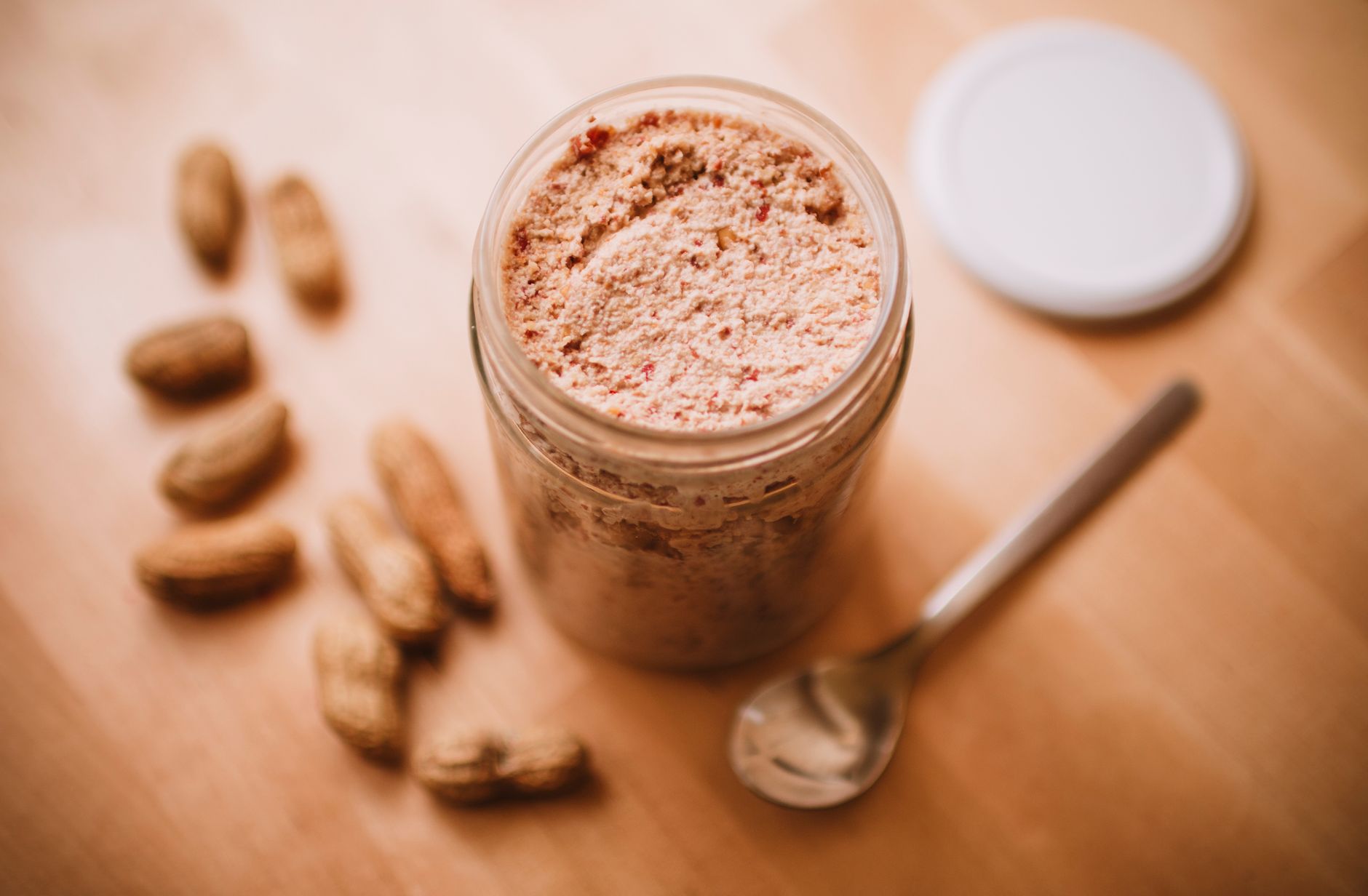
Peanut butter is a beloved pantry staple, known for its creamy texture and rich flavor. It can elevate a multitude of dishes, from classic PB&J sandwiches to decadent desserts. However, once opened, many people wonder how long peanut butter remains safe and tasty to eat. This article will explore the shelf life of peanut butter after opening, covering various types, proper storage methods, and tips for ensuring its freshness.
Understanding how to store peanut butter correctly can help extend its life and maintain its taste. We’ll also address some frequently asked questions to ensure you get the most out of your favorite nutty spread.
How Long Does Peanut Butter Last After Opening?
Opened peanut butter can last between three months to two years, depending on the type and storage conditions. Natural varieties tend to have a shorter shelf life, while commercial brands often include preservatives that enhance longevity. Storing your peanut butter in a cool, dry place and keeping it tightly sealed will help maintain its flavor and texture.
Types of Peanut Butter and Their Shelf Life
Peanut butter comes in different forms, each with varying shelf life and storage needs. Here’s a breakdown of the common types:
- Conventional Peanut Butter: This type often contains added sugars, oils, and preservatives. It typically lasts about 6-12 months after opening when stored in a cool, dry place.
- Natural Peanut Butter: Made with only peanuts and possibly salt, natural peanut butter usually has a shorter shelf life of about 3-6 months once opened. It should be refrigerated after opening to prevent separation and spoilage.
- Organic Peanut Butter: Similar to natural varieties, organic peanut butter is often free from additives. It can last about 3-6 months after opening, but refrigeration is recommended.
- Powdered Peanut Butter: This form, made by pressing out the oil and grinding the peanuts, has an extended shelf life. Once opened, it can last up to 1-2 years if stored properly in a cool, dry place.
Optimal Storage Methods for Peanut Butter
Proper storage of peanut butter can significantly influence its shelf life. Here are some best practices:
Room Temperature Storage
For most commercial peanut butter, storing it in a cool, dry pantry is sufficient. Make sure to:
- Keep the lid tightly sealed to prevent air exposure and moisture.
- Avoid placing it near heat sources, such as the stove or oven, which can affect the consistency and flavor.
- Store it upright to prevent oil separation and make scooping easier.
Refrigeration
Natural and organic peanut butters benefit from refrigeration after opening. Refrigeration helps slow down the oxidation process, which can cause rancidity. When refrigerating peanut butter:
- Transfer it to an airtight container if it isn’t already in one.
- Be aware that cold peanut butter can be harder to spread.
- Allow it to sit at room temperature for a few minutes before spreading for easier application.
Freezing
If you purchase peanut butter in bulk or want to extend its shelf life even further, freezing is an option. Here’s how to freeze peanut butter:
- Transfer peanut butter to a freezer-safe container or bag, leaving some space for expansion.
- Freeze for up to 1 year.
- To thaw, place it in the refrigerator overnight before using.
Signs of Spoilage in Peanut Butter
Knowing when peanut butter has gone bad is crucial for ensuring food safety. Here are some signs to look for:
- Smell: If it develops a sour or off odor, it’s best to discard it.
- Appearance: Look for mold, unusual discoloration, or separation of the oil that looks excessive.
- Flavor: If the taste seems bitter or overly rancid, do not consume it.
Tips for Maintaining Freshness
Here are some additional tips to keep your peanut butter fresh:
- Use a clean utensil each time you scoop peanut butter to prevent cross-contamination.
- Store peanut butter away from strong-smelling foods, as it can absorb odors.
- For natural varieties, stirring in the oil before storing can help maintain a better texture.
Frequently Asked Questions About Peanut Butter Storage
Several common questions arise regarding peanut butter storage. Here are some helpful clarifications:
Can I still eat peanut butter past the expiration date?
While peanut butter may be safe to eat after its expiration date, its flavor and texture may diminish. Always check for signs of spoilage before consuming.
What happens if I eat spoiled peanut butter?
Eating spoiled peanut butter may lead to digestive discomfort, but it is unlikely to cause severe illness unless mold has grown. If you suspect peanut butter has gone bad, it’s best to err on the side of caution and discard it.
How should I store peanut butter to prevent oil separation?
To reduce oil separation, store peanut butter upright and ensure the lid is tightly sealed. If oil separation occurs, simply stir it back in for a consistent texture.
Creative Ways to Use Peanut Butter
Once you’ve confirmed your peanut butter is still fresh, there are countless ways to enjoy it. Here are some ideas:
- Classic Sandwiches: Slather it on whole-grain bread with your favorite jam for a satisfying snack.
- Smoothies: Add a spoonful to your morning smoothie for added creaminess and protein.
- Peanut Sauce: Whisk together peanut butter, soy sauce, and lime juice for a delicious dipping sauce.
- Baking: Experiment with peanut butter cookies, brownies, or even peanut butter fudge for a sweet treat.
Peanut Butter Fudge Recipe
If you’re looking to use up that jar of peanut butter, consider making peanut butter fudge. This treat is easy to prepare and delicious.
Ingredients
- 1 cup creamy peanut butter
- 1 cup powdered sugar
- 1/4 cup unsalted butter
- 1 teaspoon vanilla extract
Essential Equipment
- Microwave-safe bowl
- Spatula
- 9-inch square pan
- Parchment paper (optional)
Method
- In a microwave-safe bowl, combine the creamy peanut butter and unsalted butter. Microwave for 30 seconds, then stir until smooth.
- Add the powdered sugar and vanilla extract to the bowl. Stir until well combined, ensuring there are no lumps.
- Line the square pan with parchment paper for easy removal. Pour the mixture into the pan, spreading it evenly.
- Refrigerate for at least 2 hours to set. Once firm, cut into squares and enjoy!
Summary
Peanut butter can last several months to a couple of years after opening, depending on its type and storage conditions. To maximize freshness, store it in a cool, dry place or refrigerate after opening, particularly for natural varieties. Always check for signs of spoilage before consumption and enjoy this versatile ingredient in various dishes.
For more delicious recipes and food storage tips, explore our guides on how long cottage cheese lasts after opening and try our delightful peanut butter fudge recipe for a sweet treat!