
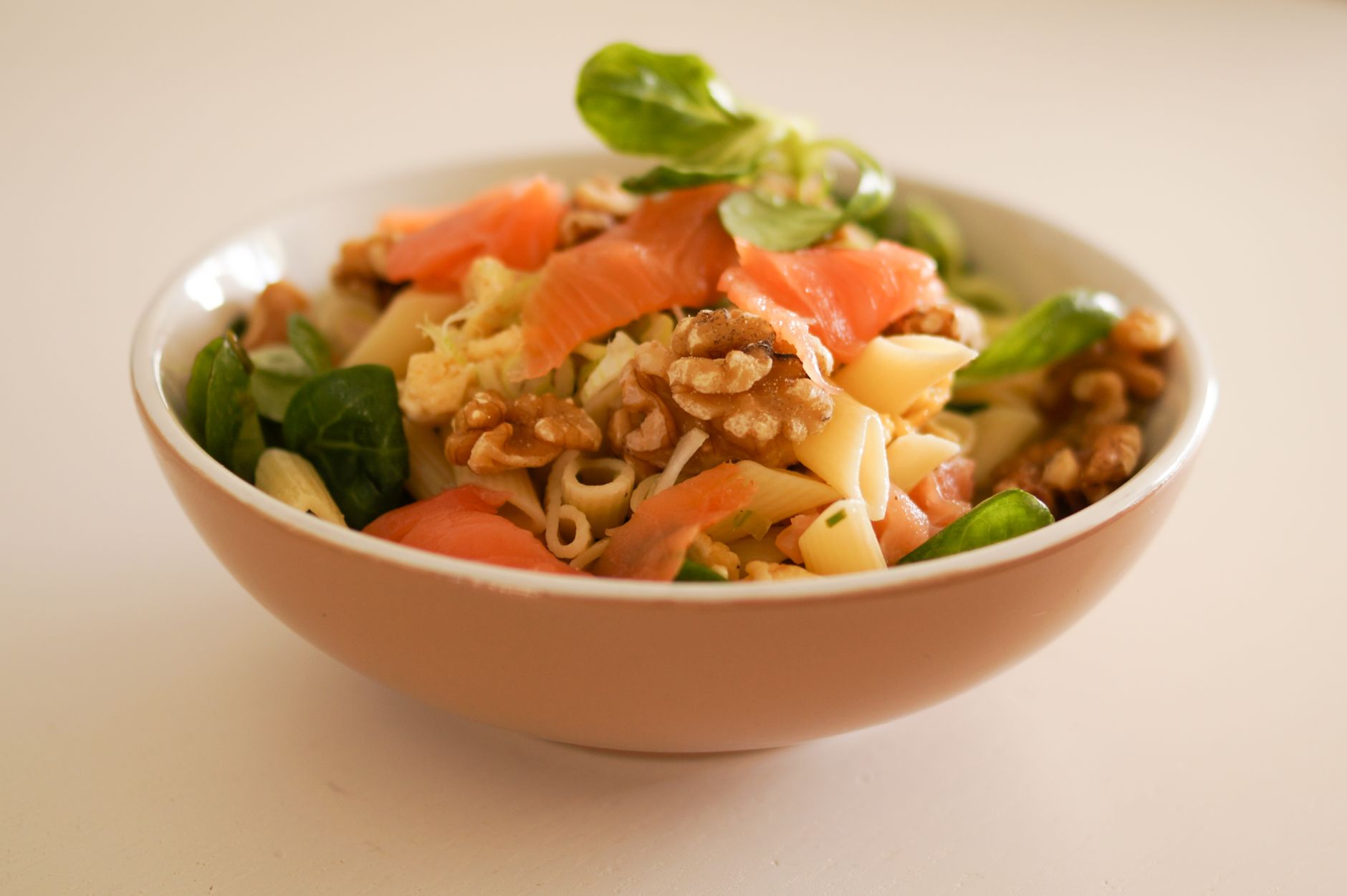
Pasta salad is a versatile dish that combines cooked pasta with a variety of ingredients, often including vegetables, dressings, and proteins. Its vibrant flavors and textures make it a popular choice for gatherings, picnics, and meal prep. One common question when enjoying or preparing pasta salad is how long it can be safely stored in the fridge.
The shelf life of pasta salad can depend on several factors, including the ingredients used and how it is stored. Understanding these factors will help you enjoy your pasta salad at its best while also ensuring food safety.
How Long Does Pasta Salad Last in the Fridge?
Pasta salad typically lasts about 3 to 5 days in the fridge, depending on its ingredients and how it’s stored. To maximize freshness, it’s essential to keep it in an airtight container and ensure that it has been properly chilled after preparation or serving.
Factors Affecting Shelf Life
When determining how long pasta salad lasts, consider a few factors that can significantly affect its freshness and safety.
Ingredients
- Type of Pasta: Different pasta types can have varying shelf lives. Whole wheat pasta may spoil faster than regular semolina pasta due to its higher oil content.
- Proteins: Adding ingredients like chicken, shrimp, or eggs can shorten the freshness window. Cooked proteins generally last only about 3 days when refrigerated.
- Vegetables: Fresh vegetables can add moisture and may spoil quickly, especially if they are high in water content like cucumbers or tomatoes.
- Dressing: Vinegar-based dressings tend to extend the shelf life compared to creamy dressings which can spoil faster.
Storage Methods
The way you store pasta salad can dramatically affect its longevity. Here are some effective storage methods:
- Airtight Containers: Use airtight containers to minimize exposure to air, which can dry out the pasta and lead to spoilage.
- Temperature: Always store pasta salad in the refrigerator at or below 40°F (4°C). Avoid leaving it out at room temperature for more than two hours to prevent bacterial growth.
- Portioning: If you made a large batch, consider portioning it out into smaller containers. This can help reduce the exposure to air each time you open it.
Signs That Pasta Salad Has Gone Bad
Knowing how to identify spoiled pasta salad is crucial for ensuring safe consumption. Look for the following signs:
- Odor: If the pasta salad has an unpleasant or sour smell, it’s likely spoiled.
- Texture Changes: Pasta that has become overly mushy or sticky indicates spoilage. Vegetables may also become slimy.
- Mold: Any visible mold or discoloration is a clear sign that the food is no longer safe to eat.
Meal Prepping With Pasta Salad
Pasta salad is a fantastic option for meal prepping due to its versatility and ability to hold up well when stored. Here are some tips for successfully meal prepping pasta salad:
Choosing Ingredients
Select sturdy ingredients that can withstand refrigeration. Some excellent options include:
- Roasted vegetables (bell peppers, zucchini, etc.)
- Hard cheeses (feta, cheddar)
- Grains (quinoa, farro, or couscous)
Preparing in Advance
You can cook the pasta and chop vegetables ahead of time, but it’s best to combine everything just before serving. This maintains the freshness of each component.
Storing Meal Prep Portions
Divide the pasta salad into individual portions in airtight containers. When you’re ready to eat, simply grab a container, and it’s ready for a quick lunch or dinner.
Pasta Salad Variations to Explore
Pasta salad can be customized in numerous ways. Consider these variations to keep your dishes exciting:
Classic Italian Pasta Salad
- Ingredients: Cured meats (salami, pepperoni), olives, mozzarella, and Italian dressing.
- Flavor Notes: Tangy and savory with a combination of creamy and briny elements.
Greek Pasta Salad
- Ingredients: Cucumbers, cherry tomatoes, red onions, Kalamata olives, and feta cheese.
- Flavor Notes: Fresh and zesty with a Mediterranean flair.
Asian-Inspired Pasta Salad
- Ingredients: Cooked soba noodles, bell peppers, green onions, and a sesame dressing.
- Flavor Notes: Nutty and savory, perfect for a light lunch.
Common Mistakes to Avoid When Storing Pasta Salad
Here are some mistakes to look out for to enhance the longevity and quality of your pasta salad:
Mixing Ingredients Too Early
Combine the pasta and dressing just before serving to prevent the salad from becoming soggy.
Not Using Airtight Containers
Failing to seal the pasta salad properly can result in drying out or absorbing odors from the refrigerator.
Ignoring Food Safety Practices
Always refrigerate leftovers within two hours of preparation, and never leave pasta salad out at room temperature for extended periods.
Reheating and Serving Suggestions
While pasta salad is typically served cold, some people enjoy it warm. Here are ways to heat and serve your pasta salad:
Reheating Methods
- Microwave: Place the pasta salad in a microwave-safe bowl, add a splash of water, cover it, and heat for 30-second intervals, stirring in between until warmed through.
- Stovetop: Heat a skillet over low heat, add the pasta salad, and warm slowly, stirring occasionally.
Serving Suggestions
To elevate your pasta salad experience, try the following serving ideas:
- Top with fresh herbs like basil or parsley for added flavor.
- Serve with grilled proteins like chicken or shrimp for a complete meal.
- Pair with crusty bread or garlic knots for a satisfying side.
Extending the Life of Pasta Salad
If you want to keep your pasta salad for a little longer, consider these tips:
Make Dressing Separately
Store the dressing separately and only combine it with the pasta and other ingredients when you’re ready to serve. This method helps keep the pasta from absorbing too much liquid and maintains texture.
Use Acidic Ingredients
Incorporating ingredients like lemon juice or vinegar can help preserve the salad’s freshness, thanks to their natural preservative properties.
Avoid Overcooking Pasta
Undercook the pasta slightly so it remains firm when refrigerated, which can help maintain texture after storage.
Wrapping Up
Pasta salad is a delightful dish that can be enjoyed in numerous variations and is perfect for meal preparation. With proper storage practices, it can last in the fridge for 3 to 5 days. Always be mindful of ingredient freshness and follow safety guidelines to ensure a delicious dining experience.
Now that you know how to store pasta salad properly, why not explore some delicious recipes like spaghetti salad or pasta and peas? Happy cooking!