
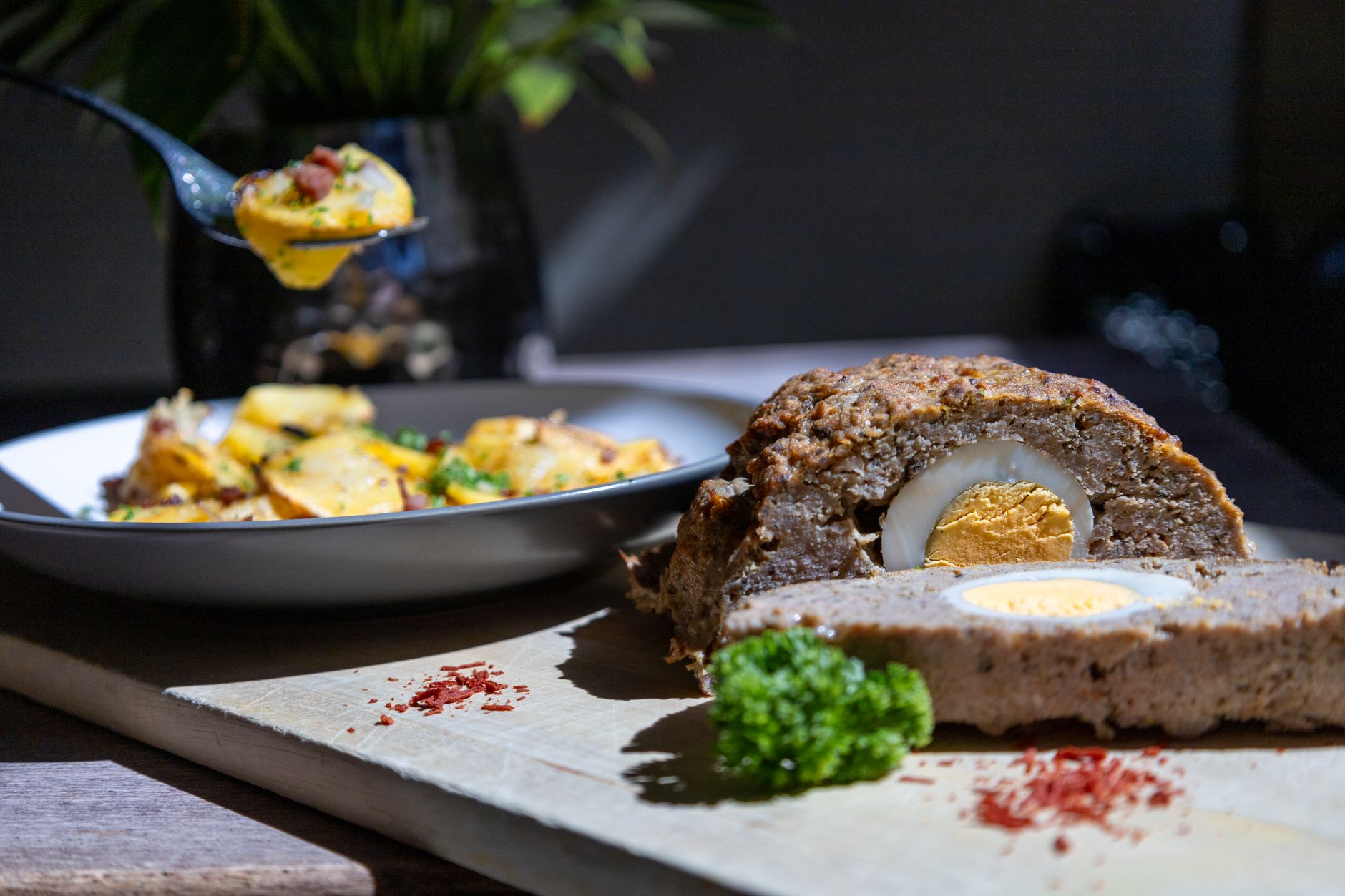
Meatloaf is a classic comfort food, beloved for its savory flavors and hearty texture. This dish makes for a satisfying meal and is often seen as a nostalgic family favorite. Understanding how long meatloaf takes to cook is essential for achieving that perfect balance of doneness while preserving its juiciness and flavor.
Cooking meatloaf properly is not just about the time; it’s also about temperature and technique. In this article, we’ll cover everything you need to know to cook meatloaf to perfection, including estimates for different cooking methods, tips for best results, and common mistakes to avoid.
How Long Does Meatloaf Take To Cook?
The typical cooking time for a standard meatloaf at 350°F (175°C) is around 1 to 1.5 hours, depending on the size and shape of the meatloaf. For a 2-pound meatloaf, aim for approximately 1 hour and 15 minutes to ensure it reaches a safe internal temperature of 160°F (71°C).
Factors such as oven temperature, the ingredients used, and meatloaf shape can influence cooking time. For example, cooking a meatloaf at a higher temperature, such as 375°F (190°C), may reduce the cooking time to around 45 minutes to 1 hour, while a lower temperature of 325°F (163°C) may take 1.5 to 2 hours.
Understanding Cooking Times
Meatloaf can be baked in various ovens; however, conventional baking is the most common method. Below are cooking time estimates based on meatloaf weight and oven temperature:
- 2 pounds at 350°F (175°C): 1 hour to 1 hour 15 minutes
- 2 pounds at 375°F (190°C): 45 minutes to 1 hour
- 2 pounds at 325°F (163°C): 1.5 to 2 hours
- 1 pound at 350°F (175°C): 40 to 50 minutes
- 1 pound at 375°F (190°C): 30 to 40 minutes
- 1 pound at 325°F (163°C): 1 to 1.5 hours
Factors Influencing Cooking Time
Several factors can affect the cooking time of meatloaf:
- Size and Shape: A thicker meatloaf will take longer to cook. A loaf that is shaped like a traditional brick may cook more evenly than a flatter, wider loaf.
- Ingredients: The inclusion of ingredients like vegetables or breadcrumbs can add moisture and affect cooking time. Be sure to account for any ingredients that might take longer to cook.
- Oven Type: Conventional ovens and convection ovens can have different heat distributions. Convection ovens generally cook faster due to increased air circulation.
- Starting Temperature: If cooking from frozen, meatloaf will take significantly longer than if it has been thawed in the refrigerator.
Cooking Techniques for Meatloaf
Traditional Baking
For traditional baking, preheat your oven and use a meatloaf pan or a rectangular baking dish. A pan helps retain moisture but can sometimes produce softer edges. Placing the meatloaf on a foil-lined baking sheet allows for better browning.
Slow Cooking
Cooking meatloaf in a slow cooker is an excellent hands-free method, though it will take considerably longer, about 4 to 5 hours on low or 2 to 3 hours on high. This method keeps the meatloaf incredibly moist.
Grilling
Grilling meatloaf gives it a fantastic smoky flavor. Shape the meatloaf on a sheet of aluminum foil or use a grilling basket. Cook over indirect heat, turning occasionally, for about 1 hour to 1 hour 15 minutes at around 350°F (175°C).
Essential Ingredients for Meatloaf
A classic meatloaf is made with basic ingredients, but various variations exist. Here is a standard ingredient list for a traditional meatloaf:
- 1 pound ground beef
- 1/2 pound ground pork (optional, for extra flavor)
- 1 cup breadcrumbs
- 1/2 cup onion, finely chopped
- 1/2 cup milk
- 2 large eggs
- 1 tablespoon Worcestershire sauce
- 1 teaspoon salt
- 1 teaspoon pepper
Preparation Steps
Here’s a step-by-step guide to effectively prepare and cook meatloaf:
- Preheat your oven: Set it to 350°F (175°C) to start.
- Mix ingredients: In a large bowl, combine ground beef, ground pork (if using), breadcrumbs, onion, milk, eggs, Worcestershire sauce, salt, and pepper. Mix until just combined.
- Shape the meatloaf: Transfer the mixture to a loaf pan or shape it by hand on a baking sheet.
- Optional topping: Brush with ketchup or barbecue sauce for additional flavor.
- Bake: Place meatloaf in the oven and bake for the estimated time based on its size. Use a meat thermometer to check the internal temperature. It should reach at least 160°F (71°C).
- Rest: Allow the meatloaf to rest for 10-15 minutes to let the juices redistribute before slicing.
Common Mistakes to Avoid
To ensure your meatloaf turns out perfectly, steer clear of these common errors:
- Overmixing: Mixing the ingredients too vigorously can lead to a tough meatloaf. Combine gently until just mixed.
- Skipping the thermometer: Never rely solely on cooking time. Use a food thermometer to check doneness.
- Not resting: Allowing the meatloaf to rest before slicing keeps it juicy.
- Using cold ingredients: Bring eggs and dairy to room temperature before mixing; this helps in achieving a better texture.
Storage and Reheating
Proper storage of cooked meatloaf is critical for maintaining quality. Here are some guidelines:
- Refrigerating: Store meatloaf in an airtight container in the refrigerator for up to 4 days.
- Freezing: Meatloaf can be individually wrapped and frozen for up to 3 months. Ensure it’s well-sealed to prevent freezer burn.
- Reheating: Reheat in the oven at 350°F (175°C) until warmed through, about 20-30 minutes. Alternatively, use a microwave, but be aware that it may result in a drier texture.
Flavor Variations and Substitutions
One of the beautiful things about meatloaf is its versatility. Here are some variations and substitutions to enhance your dish:
- Meat combinations: Swap out beef or pork for turkey, chicken, or even plant-based ground meat alternatives for a lighter dish.
- Seasonings: Experiment with different herbs and spices like garlic powder, thyme, or Italian seasoning to change the flavor profile.
- Binders: Instead of breadcrumbs, you can use oats, crushed crackers, or even cooked rice for a gluten-free option.
- Veggies: Incorporate finely chopped mushrooms, bell peppers, or carrots for added moisture and nutrition.
Serving Suggestions
Meatloaf is a versatile dish that can be served in numerous ways. Here are some popular options for sides:
- Mashed potatoes
- Roasted vegetables
- Macaroni and cheese
- Green salads
- Garlic bread
Serve it with gravy or a tangy sauce for added flavor. Leftovers can also make excellent sandwiches when sliced thin and served with your choice of condiments.
Make-Ahead Tips
If you want to save time during your meal prep, meatloaf is an excellent dish for make-ahead techniques:
- Prepping: You can mix the ingredients and shape the loaf a day in advance, storing it in the refrigerator before baking.
- Freezing: Prepare and freeze uncooked meatloaf. Simply add 10-15 minutes to your original cooking time when baking from frozen.
- Cooked meatloaf: Leftovers can be easily reheated or transformed into new dishes like meatloaf sandwiches or meatloaf hash.
Understanding how long to cook meatloaf and the factors that influence cooking time is key to serving a delightful dish. With the right technique and variations, you can customize meatloaf to suit your family’s tastes. Whether you’re preparing it for a weeknight dinner or a holiday gathering, meatloaf remains a staple that can be adapted to fit any occasion.
Try experimenting with different ingredients and cooking methods. For more insights, check out our guide on how long to cook meatloaf at 375 and discover the perfect seasonings in our meatloaf seasoning recipe.