
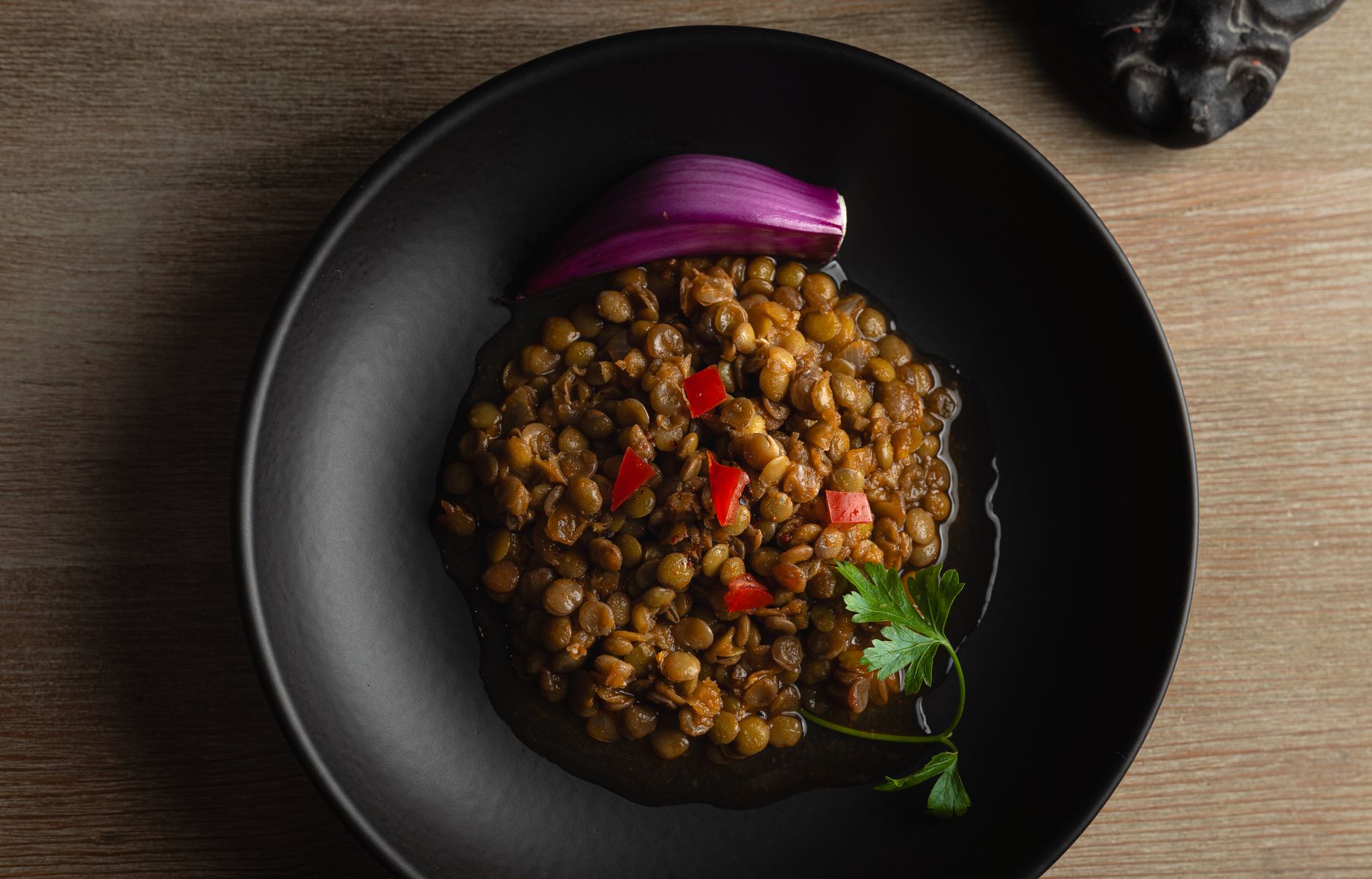
Lentils are a versatile and nutritious legume, commonly used in various cuisines around the world. They are not only rich in protein and fiber but also cook relatively quickly compared to other dried beans. Many cooks, however, may wonder: how long does it take to cook lentils, and how can one determine their doneness?
This article aims to provide an in-depth guide to cooking lentils, covering cooking times, types of lentils, preparation tips, and troubleshooting common mistakes. With this information, you can enjoy perfectly cooked lentils in your meals.
How Long Does Lentils Take to Cook?
The cooking time for lentils typically ranges from 15 to 30 minutes, depending on the type of lentils and the method used. Brown and green lentils usually take 20 to 25 minutes to cook, while red and yellow lentils can be ready in about 15 to 20 minutes. It’s essential to check for doneness as they can become mushy if overcooked.
Types of Lentils
Understanding the different types of lentils is crucial for determining cooking times and achieving the desired texture and flavor in your dishes. Here are the most common varieties:
- Brown Lentils: The most commonly used type, they hold their shape well and take about 20 to 25 minutes to cook. Suitable for soups, stews, and salads.
- Green Lentils: Slightly firmer than brown, they also take about 20 to 25 minutes. Their peppery flavor works well in salads and as a side dish.
- Red Lentils: These are quicker-cooking and break down easily, usually taking 15 to 20 minutes. They are great for soups and curries, adding creaminess and thickness.
- Yellow Lentils: Similar to red lentils, they cook in about the same time (15 to 20 minutes) and are often used in Indian dishes.
- Black Lentils (Beluga): These small, shiny lentils take about 25 to 30 minutes to cook and hold their shape well. They work beautifully in salads and gourmet dishes.
Preparation Tips
Proper preparation can enhance the cooking process and overall results when working with lentils. Here are some essential tips:
- Rinse Lentils: Always rinse lentils under cold water before cooking to remove any dust or debris.
- Check for Debris: While rinsing, look for small stones or discolored lentils and remove them.
- Soaking: Lentils generally do not require soaking. However, soaking can speed up cooking time slightly and promote even cooking.
- Salt and Acidity: Avoid adding salt or acidic ingredients (like tomatoes) to the water until the lentils are nearly cooked, as these can toughen the lentils and extend cooking time.
Cooking Methods
There are various methods to cook lentils, each influencing the final texture and flavor. Here are common cooking methods, including estimated times:
Stovetop Cooking
- Combine rinsed lentils with water or broth in a pot. Use approximately 3 cups of liquid for every cup of lentils.
- Bring to a boil over medium-high heat.
- Reduce heat to low, cover, and simmer. Brown and green lentils will take 20 to 25 minutes, while red and yellow varieties will take 15 to 20 minutes.
- Check for doneness by tasting or inspecting. They should be tender but still hold their shape.
- Drain any excess liquid if necessary and season according to your recipe.
Pressure Cooking
- For a quicker method, combine rinsed lentils and water or broth in a pressure cooker, using about 2.5 cups of liquid for every cup of lentils.
- Seal the lid and cook on high pressure. Brown and green lentils typically take 9-10 minutes, while red lentils will take about 5 minutes.
- Once the cooking time is complete, allow the pressure to release naturally for best results.
- Taste and drain any excess liquid if necessary, then season before serving.
Slow Cooking
- For a hands-off method, add rinsed lentils and liquid to a slow cooker. You can use about 3 cups of liquid for each cup of lentils.
- Cook on low for 6 to 8 hours or on high for about 3 to 4 hours, depending on the variety of lentils.
- Check for doneness; they should be tender but not mushy.
- Season before serving.
Doneness Tips
Knowing when lentils are done is crucial for achieving the right texture. Here’s how to identify doneness:
- Lentils should be tender but still slightly firm to the bite.
- Brown and green lentils should hold their shape, whereas red and yellow lentils will break down and become mushy.
- Taste a few lentils as they cook for the best assessment of texture.
Common Mistakes and Troubleshooting
Cooking lentils can be straightforward, but there are common pitfalls to avoid:
- Overcooking: This can lead to mushy lentils. Keep an eye on the cooking time and check doneness regularly.
- Using Too Much Water: If you add too much water, you may end up with a soupy consistency. Adjust the amount you use according to the type of lentils and the intended dish.
- Salt Before Cooking: Adding salt too early can cause the lentils to toughen. Wait until they’re nearly done before seasoning with salt or acid.
- Not Rinsing: Neglecting to rinse can lead to gritty lentils. Always rinse them to remove any impurities or dust.
Flavoring Your Lentils
Lentils have a mild flavor, making them adaptable to various seasonings and cuisines. Here are some ideas for enhancing their flavor while cooking:
- Broth: Use vegetable, chicken, or beef broth instead of water for a richer taste.
- Herbs and Spices: Add bay leaves, thyme, cumin, or garlic to the cooking liquid for added depth.
- Vegetables: Incorporate diced onions, carrots, celery, or bell peppers into the pot to create a flavorful base.
- Acid: A splash of vinegar or lemon juice can brighten the dish after cooking.
Storage and Reheating Tips
Cooked lentils can be a great addition to meal prep, but proper storage is vital for maintaining their quality:
- Cooling: Allow lentils to cool to room temperature before transferring them to an airtight container.
- Refrigeration: Store cooked lentils in the refrigerator for up to 5 days.
- Freezing: For longer storage, freeze cooked lentils in an airtight container for up to 3 months. Make sure to cool completely before freezing.
- Reheating: Reheat lentils over low heat on the stovetop or in the microwave. Add a splash of water or broth to regain moisture.
Serving Suggestions
Lentils can be served in various ways, from soups and salads to side dishes and main courses. Here are some ideas for incorporating lentils into your meals:
- Lentil Soups: Combine them with broth and vegetables for a hearty meal.
- Salads: Toss cooked lentils with fresh vegetables, herbs, and a vinaigrette for a nutritious salad.
- Curry Dishes: Use red or yellow lentils in curry with coconut milk and spices for a filling dish.
- Side Dish: Serve seasoned lentils alongside grilled meats or roasted vegetables.
Conclusion
Cooking lentils is not only quick and easy but also offers endless culinary possibilities. Remember that the type of lentils you choose will affect cooking time and texture. By following the guidance in this article, from preparation to cooking techniques and flavoring suggestions, you can elevate your lentil dishes to new heights.
If you’re looking for more inspiration, check out our detailed guides on moong dal and toor dal recipes to incorporate lentils into your culinary repertoire!