
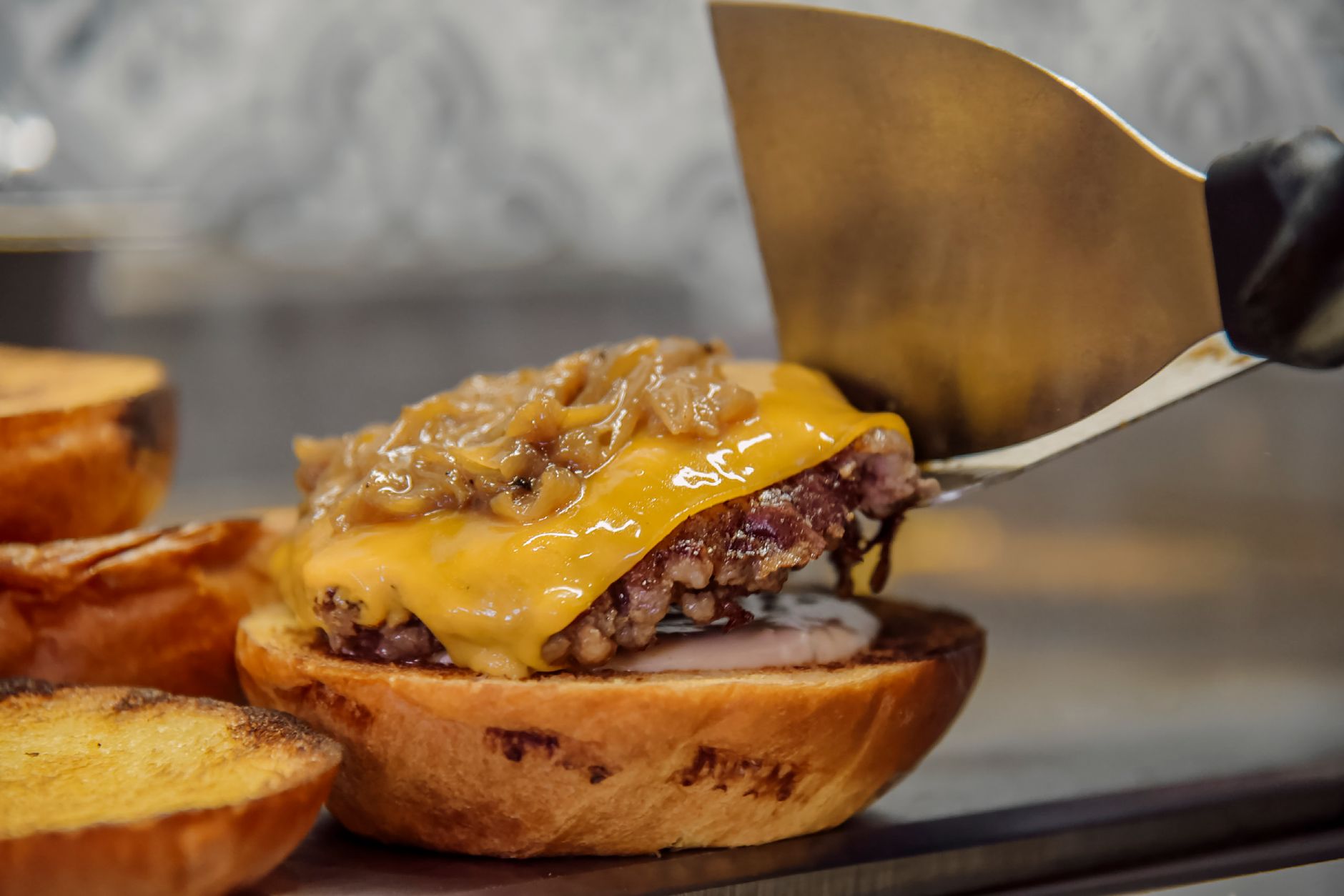
Caramelizing onions is a fundamental cooking technique that transforms raw onions into a deeply flavorful, sweet, and tender ingredient. This process unlocks the natural sugars in onions through slow cooking, creating a rich, golden-brown color and a complex flavor profile that enhances a variety of dishes.
Understanding how long it takes to caramelize onions and the factors that influence cooking time can help you achieve the best results. This guide will walk you through the step-by-step process, uncover the secrets to perfect caramelization, and provide tips to ensure you get it right every time.
How Long Does It Take To Caramelize Onions?
The typical time it takes to caramelize onions is about 30 to 45 minutes over low to medium heat. However, several factors can influence this timeframe, including the type of onion used, the heat level, and your desired level of sweetness and color.
The Caramelization Process
Caramelization is a chemical reaction in which sugars in the onions break down and turn brown when subjected to heat. This process involves several stages, leading to the transformation of sharp, pungent raw onions into sweet, rich caramelized onions.
Stages of Caramelization
Understanding the stages of caramelization can help you monitor the onions as they cook:
- Translucent Stage: Initially, the onions become soft and translucent after about 5 to 10 minutes of cooking. This is when moisture is released.
- Golden Stage: After about 15 to 20 minutes, they will begin to turn a light gold color, and you’ll start to notice their sweet aroma.
- Caramelized Stage: Within 25 to 45 minutes, the onions will turn a deep golden brown and develop a sweet, rich flavor and soft texture.
Factors Affecting Caramelization Time
Several variables can affect how quickly onions caramelize:
Type of Onion
Different onion varieties exhibit different sweetness levels and flavors:
- Yellow Onions: These are the most commonly used onions for caramelization. They have a strong flavor and sweetness, making them an excellent choice.
- Sweet Onions: Onions like Vidalia or Walla Walla have a higher sugar content and caramelize more quickly than yellow onions.
- Red Onions: These have a milder flavor and are sweeter than yellow onions, but they may take a little longer to caramelize properly.
- White Onions: They are sharper and have less sugar, creating a different flavor profile during caramelization.
Heat Level
The heat level significantly impacts caramelization. Cooking onions on low heat allows for even cooking, deepening their flavors while preventing burning. Higher heat can speed up the process but risks resulting in crispy outsides while leaving the insides undercooked.
Pan Material
The type of pan can also affect cooking time. A heavy skillet, such as cast iron or stainless steel, retains heat better, allowing for more even cooking, while non-stick pans may require a bit more time.
How to Caramelize Onions
Here is a straightforward step-by-step method to caramelize onions perfectly every time:
Ingredients
- 2 large onions (yellow or sweet variety)
- 2 tablespoons of olive oil or unsalted butter
- 1 teaspoon of salt
- Optional: 1 teaspoon of sugar (if you prefer extra sweetness)
Essential Equipment
- Heavy skillet or frying pan
- Wooden spoon or spatula
- Knife and cutting board
Detailed Method
- Prepare the Onions: Start by peeling and slicing the onions. For caramelization, slice them thinly in uniform pieces (about 1/4 inch thick) to ensure even cooking.
- Heat the Oil: In your skillet, heat the olive oil or butter over low to medium heat. Make sure the pan is hot enough that a drop of water sizzles when added.
- Add the Onions: Add the sliced onions to the heated oil. Stir to coat the onions evenly in fat.
- Season: Sprinkle the salt over the onions. Salt aids in drawing moisture from the onions which helps in the caramelization process.
- Cook Slowly: Lower the heat to avoid burning. Stir the onions every few minutes, scraping any brown bits from the bottom of the pan.
- Patience is Key: Allow the onions to cook for about 30 to 45 minutes until they are soft and deeply browned. If needed, you can add a splash of water to deglaze the pan and keep the onions from sticking.
- Finish Off: Once they reach your desired color and sweetness, remove them from heat. Optional: Stir in sugar for enhanced sweetness if desired.
Common Mistakes When Caramelizing Onions
A few common pitfalls can lead to disappointing results when caramelizing onions. Here are ways to troubleshoot them:
Using High Heat
Cooking onions on too high heat can lead to burning rather than caramelization. Keep the heat low to medium, allowing for gradual cooking.
Not Stirring Enough
If you leave the onions unattended or don’t stir them regularly, they can stick to the bottom of the pan and burn. Aim to stir every few minutes.
Using the Wrong Pan
A thin pan may not distribute heat evenly, leading to uneven cooking. A heavy skillet is ideal for achieving consistent results.
Rushing the Process
Caramelizing onions is a slow process that demands patience. Rushing it by increasing the heat or shortening the cooking time will prevent achieving the desired flavor and texture.
Serving Suggestions and Uses
Caramelized onions can elevate numerous dishes with their sweet, rich flavor. Here are some serving suggestions:
- Pizza: Use caramelized onions as a topping for gourmet pizzas.
- Sandwiches: They add depth to burgers, grilled cheese, and paninis.
- Soups: Incorporate them into French onion soup or add to rustic vegetable soups.
- Risotto: Mix them into risotto or pasta dishes for a burst of flavor.
- Savory Snacks: Pair with cheeses or use in dips.
- Onion Jam: Use your caramelized onions as a base for onion jam for a sweet condiment.
Make-Ahead and Storage Guide
Caramelized onions can be prepared in advance and stored for later use, making meal prep much easier.
Make-Ahead Tips
You can prepare a batch of caramelized onions and store them in the refrigerator for up to a week. They can also be frozen for longer storage (up to three months). Portion them out into freezer bags or containers suitable for freezing.
Reheating Caramelized Onions
To reheat frozen or refrigerated caramelized onions, simply warm them in a skillet over low heat, adding a splash of water or oil to prevent sticking. Stir until heated through.
Practical Substitutions and Variations
While yellow and sweet onions are common, consider variations in flavor and texture you can achieve with different onions or cooking methods:
- Shallots: These provide a milder flavor and can be used in place of onions for a subtler sweetness.
- Garlic: Add minced garlic in the last few minutes of cooking for extra flavor.
- Herbs: Infuse flavors with thyme or rosemary as the onions cook.
- Balsamic Vinegar: Drizzle in a little balsamic vinegar during the last few minutes for sweetness and acidity.
Conclusion
Caramelizing onions takes practice and patience, but it results in a flavorful ingredient that can enhance various dishes. Understanding the process, monitoring the cooking time, and knowing how to troubleshoot common mistakes will lead you to delicious results.
For some additional culinary adventures, try making onion jam or explore interesting onion dishes like this onion jam recipe or these Tennessee onions. Happy cooking!